
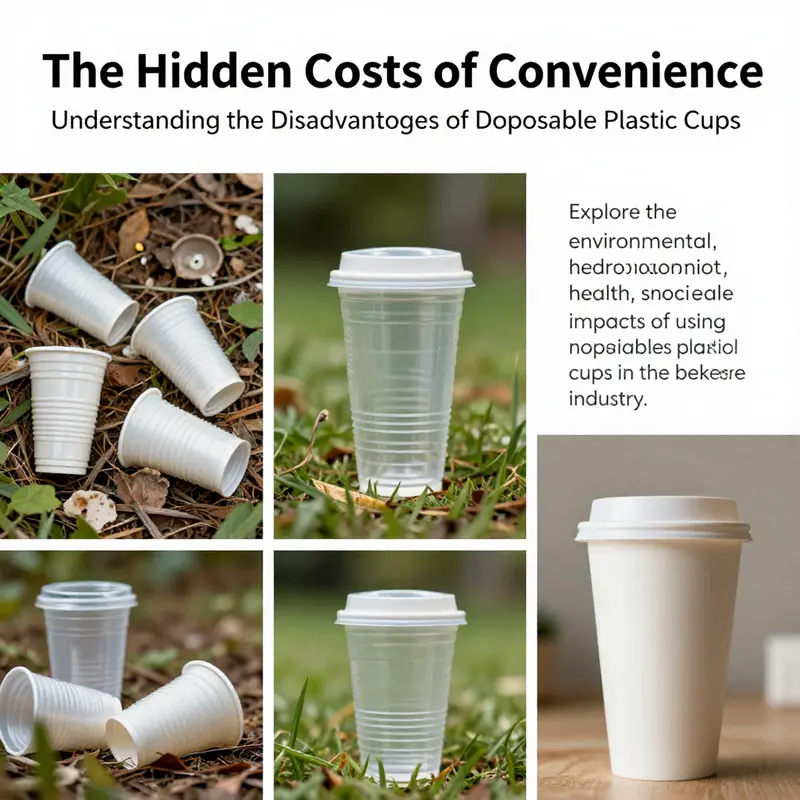
In the beverage and food service industries, convenience often comes at a higher cost than anticipated, particularly when it involves disposable plastic cups. Though they offer a quick and easy solution for serving drinks, these cups carry significant disadvantages that can affect businesses and the environment alike. As Bubble Tea Shops, Restaurants, Food Trucks, Catering Services, Event Planners, and Corporate Procurement Teams consider their options, understanding the downsides of disposable plastic cups becomes essential. This article will delve into the environmental, health, economic, and societal implications associated with these seemingly innocuous products, encouraging a thoughtful re-evaluation of their use.
Beyond Convenience: The Environmental Toll of Disposable Plastic Cups
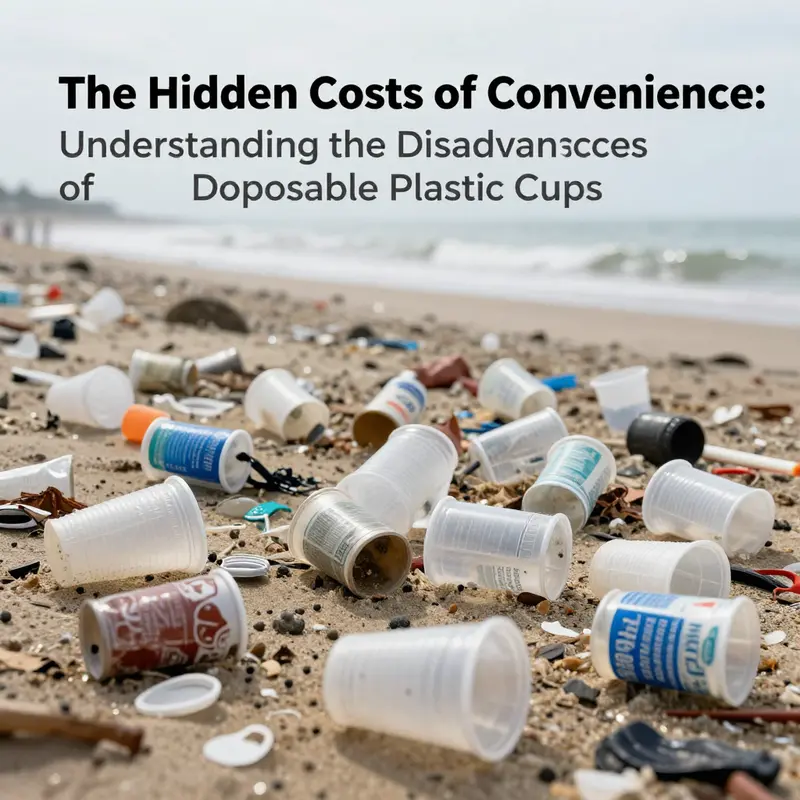
The appeal of disposable plastic cups lies in a simple promise: a clean, no-fuss way to carry, serve, and dispose of beverages in moments of speed and variety. Yet this promise comes at a cost that extends far beyond a single afternoon’s cleanup. The environmental footprint of these cups is not a footnote in sustainability debates; it is a central thread that runs through ecosystems, climate dynamics, and even the health of communities. Every cup that is used once and discarded may seem inconsequential in isolation, but when millions are produced, consumed, and discarded, the aggregates of small decisions reshape landscapes, waterways, and the living web that sustains us. What starts as a convenience for a bustling, modern market accelerates into a complex chain of consequences that reverberate through soil, sea, and sky, often in ways that are hidden from immediate sight.
Non-biodegradable materials such as polypropylene and polystyrene, the usual substrates for disposable cups, are engineered for lightness and low cost, not for easy natural breakdown. They resist the natural cycles of weathering, erosion, and microbial action that recycle or neutralize organic matter in the environment. Instead of dissolving away, they persist. A growing body of evidence places these cups on a long trajectory of environmental persistence that can span centuries to millennia. In practice, many cups do not vanish from landscapes or waterways; they fragment into tinier and tinier pieces, becoming microplastics that drift through soils, rivers, estuaries, and oceans. The problem is not merely that a cup remains somewhere; it is that the residue of countless cups harvests a broader, more elusive impact—the steady production of microplastics that infiltrate ecosystems and food webs. This is the phenomenon that researchers describe when they talk about white pollution—visible, pervasive litter that stains the landscape and hides a deeper contamination problem beneath the surface of seemingly pristine environments.
The persistence issue is not just a philosophical concern about waste. It translates into tangible ecological risks. Microplastics have been detected in a wide range of marine life, in seafood consumed by humans, and in drinking water. These tiny particles travel through the food chain, and their presence is not passive; it can influence the health and behavior of organisms as they interact with natural food sources and habitats. A growing corpus of studies shows that microplastics can accumulate in the tissues of marine animals, potentially impairing growth, reproduction, and immune responses. While the full implications for human health are still being actively investigated, the convergence of exposure pathways—from seafood to bottled water to air in some settings—signals a need for precaution. These are not theoretical concerns; they are observable patterns tied to everyday consumption habits and waste management realities.
Beyond microplastics, the question of how cups are produced touches a broader climate and resource discourse. The heating, melting, and shaping of plastics require fossil fuels, which means each cup carries a small but measurable carbon footprint. Estimates from European and global analyses indicate that the life cycle of disposable plastic cups consumes energy and emits greenhouse gases, with the scale of consumption rising dramatically as cups are used pervasively in food service, events, offices, and ecosystems that prize convenience. Even if a single cup’s duration in use seems brief, the cumulative effect across billions of cups becomes part of a planetary accounting that climate scientists track in annual inventories. This is not merely about the energy embodied in a product; it is about the energy systems that sustain mass production, the fossil fuel extraction that underpins those systems, and the emissions that accompany distribution, waste processing, and disposal.
Understanding the environmental toll requires recognizing the packaging and infrastructure that accompany disposable cups. In many places, the recycling stream for cups is weak, fragmented, and plagued by contamination from food residues. Lightweight cups are easy to transport and appear economically attractive at the point of sale, but their recyclability is hampered by design choices and the economics of end-of-life processing. When contamination lowers the value of recyclable streams, municipalities and facilities face higher sorting costs and lower recovery rates. The result is a paradox: a product designed for one-time use ends up occupying landfill space, contributing to pollution, and consuming resources for a process that rarely yields proportionate environmental dividends. The narrative here is not about a single misstep but about systemic incentives that favor short-lived products over durable, reusable alternatives. The consequence is an ever-growing burden on land, rivers, and oceans that does not respect jurisdictional boundaries or political will.
Another layer to this environmental story concerns wildlife and biodiversity. Plastic debris, including cup fragments, enters marine and terrestrial habitats where countless species mistake it for food or become entangled in it. Sea turtles, seabirds, and marine mammals have all been observed interacting with cup fragments, an interaction that can lead to starvation, suffocation, or fatal blockages. The ecological consequences extend beyond individual injuries; they reshape feeding behaviors, migratory patterns, and habitat quality. As plastics accumulate, they can alter sediment composition, degrade nesting sites, and reduce the resilience of ecosystems to stressors such as climate fluctuation and pollution. The cumulative effect is a drift toward reduced biodiversity and altered ecological balance, undermining the natural services that ecosystems provide—clean water, climate regulation, and the recreational and aesthetic benefits that people value.
A particularly troubling dimension of the environmental toll lies in the promises some disposable cup manufacturers make about biodegradability or recyclability. Greenwashing—where products are marketed as environmentally friendly through labels that conceal non-degradable components or mixed materials—undermines trust and misleads consumers. Investigations and tests have uncovered instances where cups labeled as biodegradable contained plastics that stymie true degradation, especially when waste streams mix with conventional composting or recycling processes. This misrepresentation complicates consumer choices and diverts attention away from genuinely sustainable options. The challenge is not merely to dislike plastics but to demand transparent, verifiable performance in end-of-life pathways. When marketing obscures the reality of a product’s environmental fate, it hampers progress toward meaningful reductions in plastic leakage and resource misuse.
From a macro perspective, the environmental costs of disposable cups connect to the larger climate and resource questions that shape policy, industry, and everyday habits. The production of cups pulls from long supply chains anchored in fossil fuels, and the energy use associated with manufacturing, transport, and disposal compounds the overall carbon footprint. The numbers add up across a global economy that relies on vast quantities of single-use packaging for a fast-paced service sector. In places where waste management infrastructure is strained or underfunded, the burdens of this model fall most heavily on local communities and natural environments. The environmental price tag is not distributed evenly; it is borne by neighborhoods and habitats that often lack the resources to manage waste effectively, creating cycles of pollution and degradation that are difficult to reverse.
The combination of persistence, microplastic formation, wildlife risk, and misrepresentation forms a robust case for rethinking disposable cups as a standard in a world seeking greater resilience. It is not enough to argue that alternatives exist or that consumer choice alone will solve the problem. The issue requires a cohesive shift in production standards, waste management incentives, and consumer education that emphasizes true end-of-life outcomes. The evidence from multiple studies and organizations underscores a critical point: the environmental toll of disposable cups extends beyond the moment of use and into the long arc of waste, habitat health, and climate stability.
For readers who are considering greener pathways in the wake of these findings, there is room to explore practical shifts that do not require sacrificing service quality or convenience. The transition involves a combination of design changes, policy signals, and behavior changes. On the design front, recyclability and compostability can be improved when products are formulated with clear material separation in mind and when mixed-material constructions are minimized. On the policy side, standards and labeling that clearly delineate end-of-life options help prevent greenwashing and guide consumers toward genuinely sustainable choices. Behaviorally, institutions and individuals can adopt systems that prioritize reusable options for frequent use and events, while ensuring proper maintenance and hygiene. When these elements align, the pathway toward reducing the environmental burden of cups becomes clearer and more actionable.
As a practical bridge between the problem and its solutions, consider this example of a greener option that maintains the practical benefits of on-the-go service while signaling a shift toward lower environmental impact. Eco-friendly, printed-logo paper cups with lids—designed to minimize waste, improve compostability in appropriate facilities, and support responsible disposal—offer a tangible alternative to traditional disposable plastics. For a closer look at products designed with that approach, the following resource highlights one path forward and provides a sense of how design choices can align with environmental goals. eco-friendly-printed-logo-paper-ice-cream-cups-with-lid. While no single product is a panacea, such designs illustrate how the industry can respond to ecological concerns with evidence-based solutions that preserve service quality while reducing harm to ecosystems.
The chapter that follows builds on these reflections by examining how public and private actors are rethinking usage patterns, end-of-life management, and consumer education in ways that align with sustainability goals. It moves from the environmental realities described here to the social and economic dimensions of adopting more durable, reusable options, and it considers how communities can incentivize responsible choices without compromising access, affordability, or safety. In that sense, the environmental story of disposable cups is not only a warning about what is lost but also a guide to what can be gained when design, policy, and practice converge toward a more resilient future. External systems—municipal waste programs, recycling markets, and consumer awareness campaigns—play indispensable roles in turning narrative insight into measurable improvements. The chapter that follows delves into these dimensions, connecting the environmental stakes with practical pathways that communities, businesses, and individuals can pursue together.
External resource note: for additional, in-depth data on the environmental dimensions of plastic waste trends and the broader context of global and regional pollution challenges, this Greenpeace report provides a detailed examination of how plastic waste proliferates in large economies and how interventions can shift outcomes. https://www.greenpeace.org/international/report/47983/plastic-waste-crisis-in-china/
How Disposable Cups Compromise Your Health: Chemicals, Microplastics, and Hidden Hazards
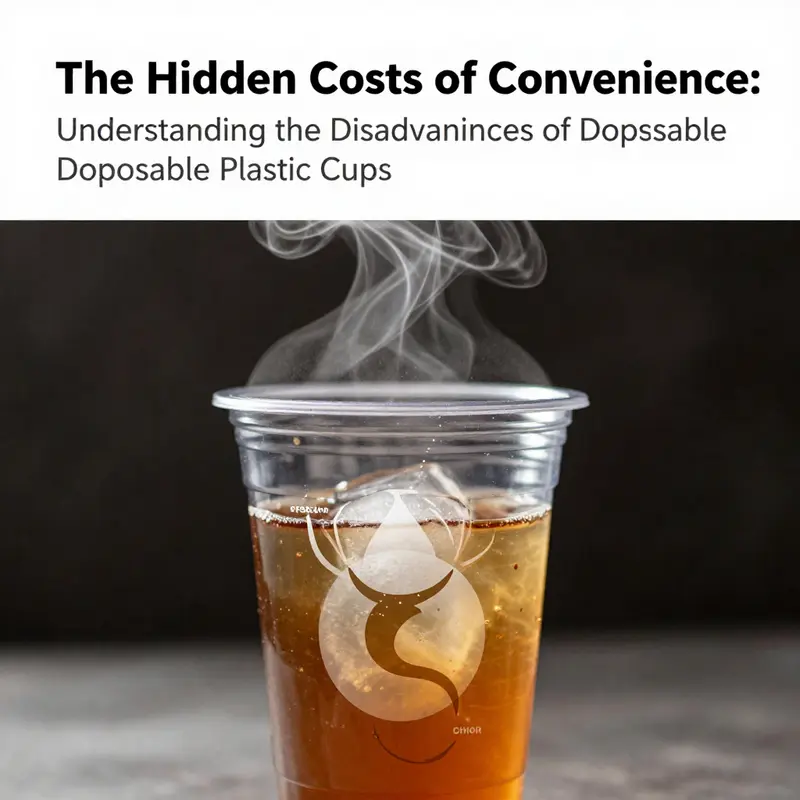
How disposable cups compromise your health
Disposable cups promise convenience. They are lightweight, cheap, and ubiquitous. But beneath that ease lies a complex web of health risks that most people never see. These risks come from two main sources: chemicals that migrate from cup materials into drinks, and tiny plastic fragments called microplastics that shed from linings and coatings. Both pathways are amplified by heat. Hot beverages dramatically increase migration and shedding, turning a simple morning coffee into a potential exposure event.
Chemical migration is central to the problem. Many disposable cups are made of plastic, or paper lined with plastic. Those materials contain additives and byproducts such as bisphenol A (BPA), phthalates, and 3-chloro-1,2-propanediol (3-MCPD). These compounds can leach into liquids, especially at temperatures above 70°C. BPA and phthalates act as endocrine disruptors. They mimic or block hormones, altering normal biological signaling. That can lead to reproductive issues, metabolic changes, and developmental problems in children. Even low-level, chronic exposure can shift timing of puberty, reduce sperm quality, and affect thyroid function.
3-MCPD deserves specific attention because it has been classified as a possible human carcinogen by the World Health Organization’s International Agency for Research on Cancer (Group 2B). This compound can appear in some paper and plastic food-contact materials due to processing or contamination. Long-term exposure raises the prospect of increased cancer risk. The danger is not hypothetical. Tests of certain disposable cups have detected elevated levels of contaminants linked to such health outcomes.
Microplastic contamination adds another layer of concern. Plastics do not vanish; they fragment. Linings and coatings on cups, especially those made of polypropylene or polystyrene, release microscopic particles when stressed. Heat, friction, and acidic or alcoholic beverages increase the rate of release. Research on similar containers shows staggering particle counts at high temperatures. In one peer-reviewed study, polypropylene baby bottles released millions of microplastic particles per liter when exposed to near-boiling water. While that research focused on baby bottles, the principle directly applies to disposable cups used for hot drinks. These tiny particles can pass through intestinal barriers, enter the bloodstream, and travel to organs. They have been found in human tissues and placentas. The long-term consequences include chronic inflammation, oxidative stress, and potential interference with organ function.
Vulnerability varies across populations. Infants, young children, pregnant women, and immunocompromised people face higher risk from both chemicals and microplastics. Developing systems are especially sensitive to endocrine disruption. A small hormonal nudge during fetal development or early childhood can lead to lifelong effects. Pregnant people carry a second risk: some plastic-derived contaminants and ultrafine particles can cross the placenta, exposing fetuses at critical periods of organ formation. That exposure links to developmental delays and altered immune responses in emerging research.
Paper cups create a false sense of safety for many consumers. They look natural and biodegradable, so people assume they are harmless. Unfortunately, many paper cups are lined with a thin plastic or wax coating. That lining prevents leaks, but it can also be a source of microplastics and migrated chemicals. Tests have shown that even plain paper cups release tens of thousands of microplastic particles into hot beverages within minutes. Decorative inks and printing solvents add extra hazards. Some inks contain volatile organic compounds like benzene and toluene. These solvents have known toxic effects, including links to blood disorders and cancers when exposure is significant. The printing process and recycled paper feedstock can introduce heavy metals or other contaminants into the final product.
Labels that claim biodegradability or compostability can mislead consumers. Some manufacturers mix small amounts of starch or plant-derived polymers into polypropylene to create the appearance of sustainability. The result is an adulterated material that still resists natural decomposition. In real-world composting or landfill conditions, these products fail to break down and continue to shed microplastics. They may also contain the same stabilizers and plasticizers as conventional cups, preserving the risks of chemical migration. That false assurance not only fails to protect health, but also undermines genuine alternatives by confusing buyers.
Understanding exposure pathways helps explain why a one-time use item can pose a lasting hazard. A hot drink can deliver a dose of chemicals and microplastics directly into the digestive tract. Repeated daily use compounds exposure. Consider an office worker who uses a disposable cup for hot coffee every workday. Over months and years, small migrations and particle ingestion add up. The body stores some contaminants in fat or tissues. Others act by disrupting endocrine signals at very low doses. This cumulative effect is a key reason public health experts recommend reducing reliance on disposable cups.
Laboratory evidence links these exposures to measurable biological effects. Animal studies demonstrate behavioral changes, hormone disruption, and organ damage after prolonged ingestion of certain plastic-associated chemicals. Human epidemiological studies show associations between higher levels of plastic-related chemicals and increased incidence of obesity, infertility, and certain cancers. While direct causation can be complex to establish, the convergence of laboratory, animal, and population data produces a consistent signal: regular exposure to chemicals from disposable food contact materials is not benign.
Risk can be mitigated, but only by changing behavior and choices. Reusable containers made from inert materials such as glass, stainless steel, or ceramic eliminate most migration and shedding concerns. These materials withstand heat without releasing harmful substances. For situations when reusable options are impractical, choose true compostable or certified food-safe paper products that meet independent standards. Be cautious: double-wall paper cups marketed as ‘‘eco-friendly’’ can still contain plastic liners. Even some so-called biodegradable cups need industrial composting at high temperatures to break down properly. Where a disposable product is the only option, avoid pouring near-boiling liquids into it. Let hot drinks cool slightly before transferring, and do not microwave food or drinks in disposable cups.
Product labeling and certification help, but consumer vigilance is essential. Look for clear claims backed by third-party verification. Certifications for compostability and food safety provide a degree of assurance. When encountering marketing terms such as “biodegradable,” “compostable,” or “eco-friendly,” check whether the claim references recognized testing standards. If a vendor cannot provide details, treat the claim with skepticism.
Small behavioral changes matter. Bringing a reusable mug reduces daily exposure risks. For parents, using glass or certified BPA-free containers for infant feeds reduces a child’s lifetime exposure. Businesses and institutions can make a large impact by switching away from disposable serviceware for hot beverages. Policies that prioritize reusable systems cut both chemical exposure and solid waste.
While consumer action is crucial, regulatory attention must catch up. Current regulations vary widely across regions and often focus on acute toxicity rather than chronic, low-dose endocrine effects or microplastic ingestion. Strengthening standards for materials that contact food, requiring transparency in chemical composition, and enforcing truthful environmental claims would reduce public exposure. Monitoring and research should also expand to quantify microplastic burdens in food and beverages, and to clarify long-term health outcomes.
The health disadvantages of disposable cups are real and avoidable. Heat and time turn convenience into exposure. Chemicals migrate. Microplastics fragment and spread. Vulnerable populations face greater harm. The safest path lies in reuse, verified compostable alternatives, and smarter purchasing choices. If you must use disposables, choose certified products and avoid hot liquids, particularly for infants and pregnant people. Those simple steps reduce immediate risks and help curb the slow accrual of harmful substances in our bodies.
For readers who want evidence on microplastic release from polypropylene containers at high temperatures, consult the peer-reviewed study published in Nature Food. It details particle counts and experimental methods relevant to the discussion above: https://www.naturefood.com/articles/s43016-023-00778-z
For an alternative to single-use cups, consider switching to a certified disposable paper cup designed for hot beverages. One option to explore is an eco-friendly double-wall craft paper cup shown here: eco-friendly double-wall craft paper cup. Use such products only when they carry clear, third-party compostability or food-safety certification, and avoid hot liquids if the certification is unclear.
Reducing reliance on disposable cups protects health as well as the environment. The benefits are immediate and long-term, from lowering daily chemical intake to preventing microplastic accumulation. Each reusable mug replaces countless exposures, making the effort worthwhile for personal and public health alike.
The True Price of Convenience: Economic Costs Behind Disposable Plastic Cups
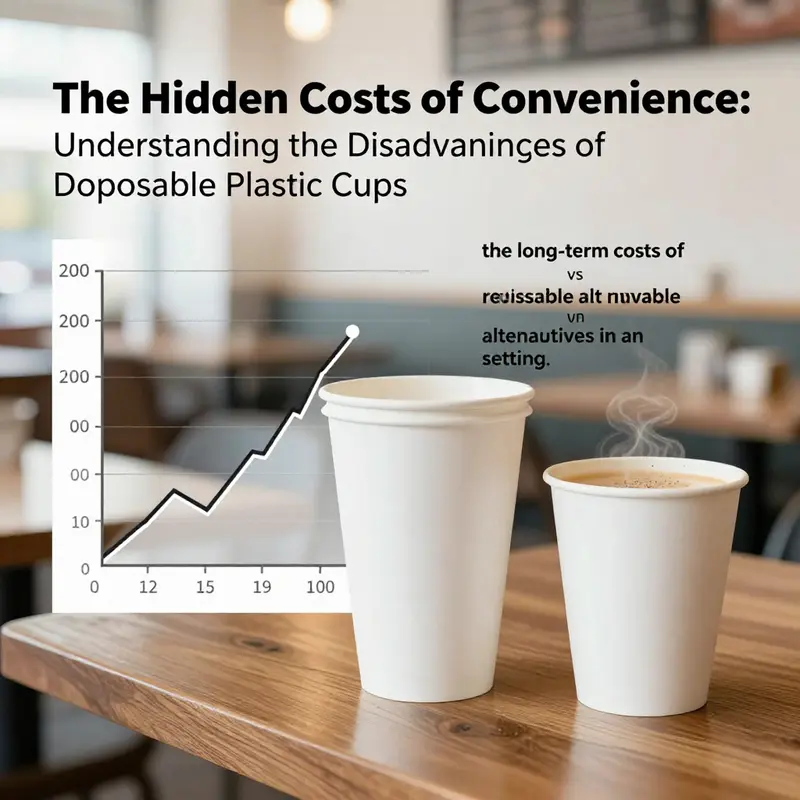
The true price of single-use cups
Disposable plastic cups sell comfort and simplicity. Their sticker price looks tiny. Yet that apparent bargain masks a series of costs that ripple across businesses, public budgets, and supply chains. When a coffee shop, stadium, or office chooses single-use plastic cups, the decision triggers repeated purchases, waste-management burdens, and long-term economic liabilities. Those hidden costs accumulate quietly, then show up in municipal budgets, corporate accounting, and community health expenses.
A small business buying cheap cups every week can multiply that expense into a major item. Consider a café using hundreds of cups daily. The upfront cost per cup may be a few cents. Multiply that by daily demand, and the annual spend can reach thousands or tens of thousands of dollars. For hospitality chains, the same arithmetic applies at scale. What appears as a low-cost supply item becomes a persistent operational line. This steady drain magnifies during busy seasons and special events, multiplying ordering, storage, and handling costs.
Beyond direct purchase expenses lie the costs of disposal. Lightweight plastics are cheap to manufacture but costly to manage at end of life. Municipalities shoulder much of that burden. Local governments allocate staff, trucks, and facilities to collect, sort, and either recycle or discard cups. When recycling is impractical, landfills and incinerators absorb the waste. Those systems require ongoing investment in infrastructure and labor. The economic effect is real: tax revenues fund collection programs and landfill expansions. Residents and businesses pay through taxes and service fees. Over time, the per-unit social cost of each disposable cup often exceeds its purchase price.
The low recyclability of many cups makes disposal costs worse. Thin plastics and contamination from food or liquids reduce recycling value. Sorting facilities must separate materials, and contaminated items often end up in landfill regardless. That increases tipping fees and contamination-handling expenses. Recyclers sometimes reject mixed materials entirely, forcing municipalities to treat these cups as residual waste. When recycling markets decline, local authorities either raise fees or reduce services. Both choices shift costs to households and businesses.
Petroleum and energy inputs introduce another economic dimension. Disposable cups rely heavily on non-renewable fossil fuels. Extracting, refining, and polymerizing oil and gas demand capital, energy, and labor. Those upstream processes create price volatility tied to global commodity markets. A sudden increase in oil prices raises production costs for plastic cups. Businesses that depend on single-use cups therefore face supply-chain risks and cost unpredictability. Unlike durable goods, disposable cups do not retain value. They convert valuable hydrocarbons into waste after minutes of use.
This inefficient use of resources creates opportunity costs. The petroleum used to make cups could serve higher-value purposes in manufacturing or energy. Redirecting those inputs into longer-lived products would likely yield greater economic return. Instead, single-use production consumes raw materials and energy with minimal service life. The outcome is wasted capital and weaker resilience to resource shocks.
Regulatory trends magnify financial risks for users of disposable cups. Governments are increasingly introducing measures to curb single-use plastics. Taxes, fees, and outright bans are becoming common policy tools. When regulations change, businesses must adapt quickly. That adaptation can cost time and money. For example, systems for charging customers a small fee per disposable cup require payment processing changes, staff retraining, and updated signage. Bans require restocking with compliant alternatives. For larger operations, retrofitting kitchens or switching suppliers can be expensive and disruptive.
Regulatory uncertainty itself adds cost. Businesses facing evolving rules may delay investments or hedge with multiple suppliers. These behaviors inflate procurement expenses and reduce predictability in budgeting. Companies that fail to anticipate policy shifts risk fines and reputational damage. The combination of fines, compliance costs, and lost goodwill can harm small enterprises disproportionately.
There are also indirect economic impacts tied to environmental harm. Accumulated plastic waste in waterways and public spaces damages tourism, fisheries, and local economies. Cleanup campaigns require labor and funding. Coastal towns, river communities, and parks may see diminished visitor numbers if litter becomes pervasive. That reduced tourism reduces income for businesses and governments alike. The cost of restoring natural assets falls on public and private actors. These economic losses rarely appear on the invoice at the point of sale, yet they are real and measurable.
Health-related costs can further strain public budgets. Microplastic contamination and chemical leaching from plastics now concern public health experts. If exposure leads to higher rates of illness, medical costs and lost productivity will rise. Even without definitive causal links, the precautionary response often increases monitoring, research, and mitigation spending. Public health agencies may allocate funds to testing water supplies and educating the public. Those initiatives are another channel through which the price of disposables is socialized.
Insurance and liability present additional financial exposure. Businesses using disposable cups may face liability claims if a product causes harm. For instance, cups not rated for hot liquids can deform, causing spills and burns. Repeated incidents could raise insurance premiums or lead to lawsuits. Liability risk also extends to environmental contamination. Some jurisdictions pursue legal action against major contributors to pollution. While enforcement varies, the potential for legal costs exists and can be significant.
Market and reputational risks matter too. Consumers increasingly prefer sustainable options. Companies perceived as environmentally negligent risk losing customers and brand value. For foodservice operators, a visible switch to reusable or certified compostable containers often attracts loyal customers. Conversely, sticking with cheap plastic cups may erode market share. That erosion has long-term financial consequences beyond the immediate cost of cups.
When assessing economics, lifecycle thinking matters. A lifecycle cost analysis examines raw material extraction, manufacturing, transport, use, and disposal. Such analyses often reveal that reusable alternatives outperform disposables on total cost over time. The initial investment in reusable cups or durable serveware can produce lower per-use costs within months or years. Businesses that factor in cleaning, storage, and staff time typically find break-even points favorable for reusables. The calculus changes further when municipalities add fees or bans on single-use items.
Transition costs deserve attention. Switching from disposable plastics requires capital and planning. Businesses may need dishwashing equipment, storage space, and staff protocols. Events that previously relied on disposable inventory now need logistical changes. Those transition costs are real, but many firms offset them by reducing repeat purchases and improving customer perception. Some businesses adopt hybrid models: reusable options for regular customers and certified compostable products for takeout. That approach smooths the transition and spreads costs.
Public policy can shape financial outcomes. Extended producer responsibility (EPR) schemes shift disposal costs to manufacturers. Under EPR, producers fund collection and processing. This creates incentives to design less costly, more recyclable packaging. Deposit-return systems do similar work by attaching a refundable deposit to containers. Such policies reduce the socialized cost burden and internalize externalities within product pricing. They also encourage innovation in materials and business models.
Finally, consider the macroeconomic lens. Widespread reliance on disposables locks demand into a model that consumes resources inefficiently. That pattern reduces circularity in material flows and increases pressure on waste management systems. Over time, these trends can slow progress toward more resilient, low-carbon economies. Investing instead in reusable systems stimulates different value chains. It creates demand for durable goods, local washing and refurbishment services, and materials innovation. The economic multiplier from such investments often exceeds that from endless disposable consumption.
The takeaway is clear: the low shelf price of a disposable plastic cup conceals multiple downstream costs. Direct purchase expense is only the beginning. Disposal, resource depletion, regulatory adaptation, health monitoring, liability, and reputational effects all add to the true economic toll. Businesses and policymakers that recognize these hidden costs can make informed choices. Shifting away from single-use plastics tends to reduce long-term expenditures, strengthen resilience, and create opportunities for circular economy growth.
For deeper reading on how these hidden costs accumulate and affect public and private finances, see the Economist’s analysis on the topic: https://www.economist.com/environment/2023/07/13/the-hidden-costs-of-disposable-plastic-cups
For businesses seeking lower-impact alternatives during a transition, exploring options such as an eco-friendly disposable double-wall craft paper cup may offer compliant, more recyclable choices while longer-term strategies, like reusables, gain traction. https://cupbowlpack.com/product/senang07-eco-friendly-disposable-double-wall-craft-paper-cup-with-lid-12-oz-for-wine-tequila/
From Convenience to Crisis: The Societal Toll of Disposable Plastic Cups
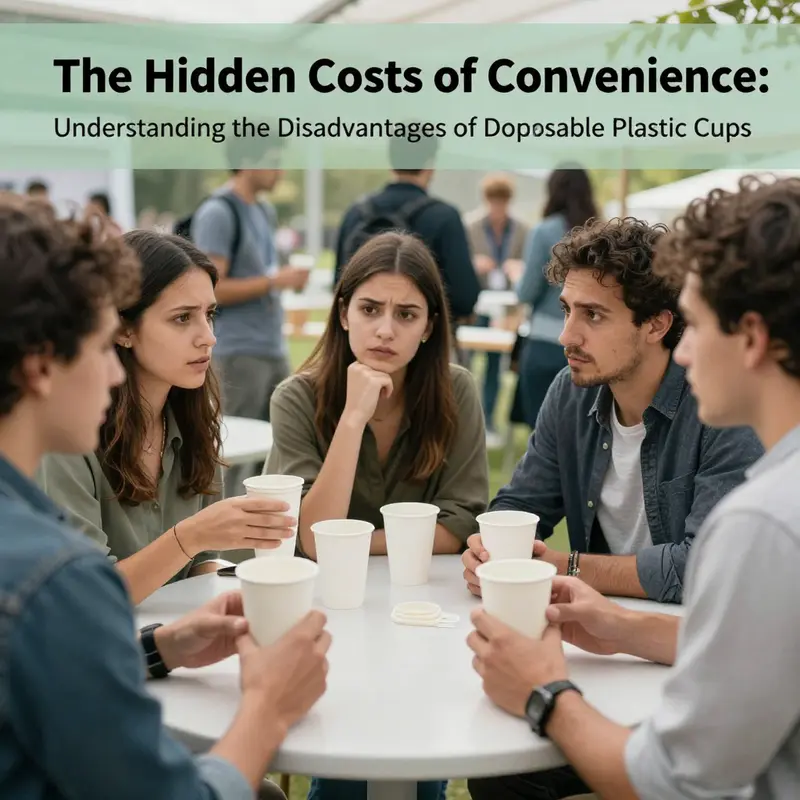
The convenience of disposable cups has become a quiet engine driving daily life across workplaces, campuses, events, and streets. In the moment of a quick takeaway or a crowded coffee line, a single-use cup seems like a trivial choice. Yet the cumulative effect of countless small choices reveals a social pattern with wide-reaching consequences. This chapter seeks to connect the dots between personal habit and collective impact, showing how a habit anchored in convenience reshapes waste systems, public health, and cultural norms. When millions of cups vanish into waste streams each day, their fate is not confined to a bin. They travel through rivers and land, accumulate in soils, and, over time, alter the landscapes that communities share. The social fabric is touched not only by the material waste but by the expectations and routines that normalize disposability. Everyday decisions thus become weather vanes that indicate where a society stands on stewardship, risk, and resilience.
Environmental degradation follows the life cycle of a disposable cup from production to disposal. The majority of these cups rely on materials that resist breakdown, or on coatings and layers that fragment rather than decay. Even when properly managed, the sheer volume of cups converts a short-lived utensil into a long-lived pollutant. In many places, streams, shorelines, and soil become corridors for plastics that never truly disappear. The result is not only a visible litter problem but a pervasive, invisible one: microplastics that infiltrate food chains and water sources, carried by wind, rain, and waves. The visual presence of a lone cup on a curb is a small sign of a much larger system where thousands of such units proliferate until they become part of the land and sea. The scale is not simply about aesthetics; it is about ecosystems and the services they provide—from clean water and fertile soils to stable habitats for wildlife.
The health implications of disposable cups extend beyond the surface concerns of litter and aesthetic degradation. Microplastics, produced as cups break down, have been detected in oceans, rivers, and even the soils that grow our food. They enter the chain of life and can accumulate in organisms that humans rely on for nutrition. The potential for human exposure is compounded by the additives and coatings used in cup construction. Some cups contain substances such as bisphenol A or phthalates; even when manufacturers move away from the most notorious chemicals, substitutions may carry new risks. Temperature matters as well: hot beverages can accelerate leaching of certain compounds, raising questions about safety in everyday uses. The World Health Organization’s International Agency for Research on Cancer has identified 3-MCPD as a Group 2B carcinogen, possibly carcinogenic to humans, highlighting that certain contaminants can accompany otherwise ordinary products. These health dimensions emphasize that convenience is not a free pass; it comes with potential costs that ripple through households, workplaces, and communities. In this context, public health professionals, policymakers, and citizens share a common interest in reducing exposure while preserving safe, efficient experiences for daily life.
A close look at alternatives underscores a broader truth: replacing one disposable material with another does not automatically yield better outcomes. Paper cups, often touted as greener, carry their own burdens. Their production demands significant water and energy, and many are lined with plastic or wax to resist leakage and enable hot beverages. The result can be a recycling bottleneck rather than a clean solution. The lifecycle narrative becomes more complex when we consider end-of-life management. In regions lacking advanced composting facilities or specialized waste streams, compostable and biodegradable labels give a false sense of security. Waste management systems may not be configured to separate streams efficiently, leading to contamination that undermines recycling goals. In other words, the sustainability ledger does not balance itself by swapping materials alone; it requires reimagining how communities collect, sort, and process post-use materials, so that the hoped-for benefits of substitution actually materialize.
Against this backdrop, the behavioral component emerges as a decisive factor. Even among people who express environmental concern, consistent action hinges on incentives, convenience, and social norms. When disposables are the default, time pressures and habit can override intention. Conversely, when reusable options are integrated into daily routines with minimal friction, adoption rises. This requires more than merely distributing information; it demands the redesign of environments so that choosing reuse feels as effortless as disposing. In workplaces, campuses, and retail spaces, the challenge is to align operational realities with sustainable choices. Friction—whether in the form of cleaning requirements, lack of dishwashing capacity, or inconvenient return loops—can derail even well-meaning individuals. As a result, the social calculus of disposables is not simply about personal choice but about the design of environments that sustain or hinder behavior change.
From an economic standpoint, the apparent low cost of disposable cups masks a broader financial picture. Municipalities shoulder ongoing expenses for collection, sorting, treatment, and disposal, costs that compound when contamination lowers recycling efficiency. Cup units are light and bulky, making them less economical to process relative to bottles or cans, which benefit from higher recycling incentives and streamlined infrastructure. The system-level costs extend beyond the budget line of a city or campus; they manifest as environmental externalities—habitat disruption, climate impacts from production and transport, and the long-term burden of polluted ecosystems. When these costs are tallied, disposables reveal themselves as a decision with hidden price tags that future generations pay through degraded environments and diminished quality of life. The affordability narrative, therefore, requires a broader lens—one that considers social welfare, long-run resilience, and the fairness of sharing the burden across different communities and generations.
The societal response to the disposable-cup dilemma must address both behavior and institutions. Policy tools that price waste appropriately can reset incentives in the right direction. Taxes on single-use items, deposits encouraging reuse, and explicit costs borne by producers for packaging end-of-life outcomes can help reflect the true costs of convenience. Infrastructure is equally essential: accessible water refill options, reliable dishwashing facilities, and clearly organized cup-sharing or return programs reduce the friction that often blocks reuse. Education plays a vital role, but it is most effective when paired with tangible changes in the built environment. The NIH study on single-use beverage containers, cited in the research overview, highlights that social practices are shaped by design, policy, and communal norms operating together. It shows that individual behavior is best understood as part of a wider system—the recipes of choice are written by opportunity, constraint, and social expectation alike. This perspective invites a shift from blaming individuals to strengthening collective capacity for sustainable routines.
Everyday decisions can be catalysts for broader change when institutions commit to practical, scalable reconfigurations. Consider how a single interface—the cup itself—can embody the pivot from disposability to reuse. In many settings, a commonly used cup is the disposable single-wall paper cup with lid; it signals a fast, clean, and predictable experience. Yet this same cup can become a focal point for redesign when organizations opt for reusable systems. The essential move is to reduce the effort required to reuse. This means providing durable, easy-to-clean vessels, establishing robust washing schedules, and creating convenient pickup and return channels. It also means cultivating a social contract in which return and reuse are not stigmatized as inconvenient but valued as community responsibility. The practical design of spaces, signage, and processes matters as much as any message about environmental stewardship. A small, deliberate shift—reframing a routine from “throw away” to “cycle back”—can ripple through an entire system, altering expectations and behaviors in powerful ways.
The global dimension of the problem reinforces the case for collective action. Disposables travel through economies, ecosystems, and governance regimes, crossing municipal boundaries and national contexts. The same cup that is discarded in one neighborhood may contribute to upstream or downstream waste streams in another. This interdependence suggests that large-scale solutions require coordination across sectors—cities sharing best practices for reuse infrastructure, universities coordinating with local waste-service providers, and national policies that align incentives across manufacturers, retailers, and consumers. It also points to the need for equity in policy design. Access to reliable recycling or composting opportunities is uneven, and communities with fewer resources often bear a disproportionate burden of waste management costs and environmental health risks. In a fairer system, every neighborhood would have not only access to safe, affordable reusable options but also a voice in how waste is collected, treated, and reintegrated into the economy.
The discourse around biodegradable or compostable alternatives often surfaces as part of the policy conversation, but it must be approached with caution. Misleading marketing and vague claims can create consumer confusion and undermine genuine green practices. If a product is marketed as “biodegradable” without clear, accessible disposal pathways, it may fail to deliver real environmental benefits. This dilemma underscores the importance of transparent labeling, robust certification standards, and public education that explains when and where certain materials belong in specific waste streams. A system-wide emphasis on reuse, supported by rigorous lifecycle thinking, tends to produce more durable gains than repeated substitutions of one disposable for another without addressing the broader ecosystem in which those choices occur.
Ultimately, the societal implications of disposable cups are about more than waste or health in isolation. They reveal how a culture negotiates convenience, responsibility, and opportunity. They expose gaps in infrastructure, gaps in policy, and gaps in cultural norms that permit easy disposal to outpace responsible reuse. They invite a reimagining of ordinary moments—coffee breaks, lunchtime gatherings, and event hospitality—so that the default becomes practices that sustain communities rather than erode them. The goal is not to impose austerity but to design everyday life so that sustainable options are not sacrifices but natural, frictionless choices embedded in the routines that define daily living. In the chapters that follow, we turn from diagnosis to design, exploring concrete pathways—policy instruments, financing models, and community-driven innovations—that can transform disposables from a symbol of convenience into a catalyst for resilience. This is not merely an environmental project; it is a social one that asks how societies can preserve health, dignity, and opportunity for all while maintaining the vitality of daily life.
Final thoughts
As we reflect on the use of disposable plastic cups, the environmental pollution, health risks, economic inefficiencies, and broader societal implications can’t be overlooked. Each of these aspects reinforces the growing urgency to transition towards sustainable alternatives. Beverage businesses and service providers must weigh these factors in their operational decisions. By making informed choices, there is an opportunity to significantly reduce our environmental footprint while enhancing customer health and satisfaction. Transitioning to reusable or genuinely eco-friendly options not only benefits the planet but can also drive long-term cost savings and positive brand perception. It’s time we embrace responsible and sustainable practices that align with a future where convenience does not come at such a steep price.