
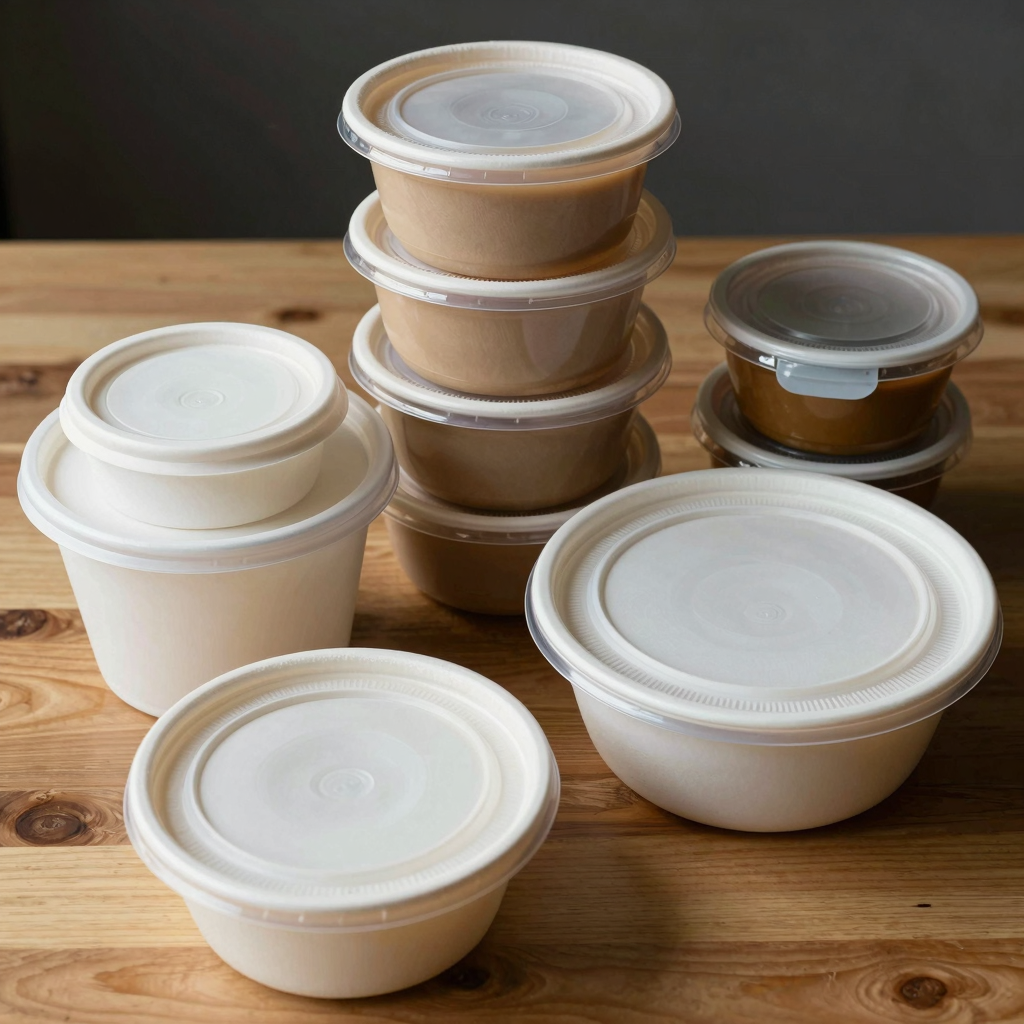
In the fast-paced world of food service, the demand for high-quality disposable containers with lids is more crucial than ever, especially for bubble tea shops, restaurants, food trucks, catering services, and corporate procurement teams. These reliable and versatile products not only ensure that food and beverages are safely transported but also maintain their freshness and appeal. With a growing emphasis on convenience without compromising quality, establishments are increasingly turning to premium disposable options that enhance customer experience. Whether it’s for takeaway orders at a bustling bubble tea shop or elegantly presented dishes at a corporate event, the right disposable containers play an integral role in brand presentation and efficiency. As we delve deeper into the importance and benefits of these containers, you’ll discover just how vital they are for businesses aimed at delivering memorable experiences while keeping operational needs in mind. Learn more about the benefits of sugarcane cups for your business and explore custom octagonal paper bowls that can elevate your food presentation.
Benefits of Using Disposable Containers with Lids
Using disposable containers with lids provides a multitude of advantages, especially for food service settings. Here are some key benefits:
-
Convenience: These containers are designed for easy use, allowing food to be stored, transported, and served effortlessly. Ideal for busy restaurants and food trucks, they streamline operations and save time.
-
Hygiene: Disposable containers enhance food safety by reducing the risk of contamination. Each container is fresh and unused, promoting cleanliness and making it an attractive option for health-conscious consumers.
-
Versatility: Whether for hot soups, cold salads, or beverages like bubble tea, these containers can accommodate various food types, making them perfect for diverse menu offerings. Food service establishments can even customize them for branding purposes. For more on customization, click here.
-
Cost-Effectiveness: By using disposable containers, businesses can save on the costs associated with washing and maintaining reusable containers, allowing for more efficient resource allocation.
-
Portability: The lightweight nature makes them easy to transport, perfect for catering events or food delivery services.
-
Environmental Considerations: Many disposable containers are made from eco-friendly materials like sugarcane, which can be composted. Consider using containers that align with sustainability goals to appeal to environmentally conscious customers. Learn more about the benefits of sugarcane containers here.
Overall, disposable containers with lids deliver unmatched convenience, hygiene, and versatility, making them indispensable in today’s fast-paced food service landscape.
Overview of Types of Disposable Containers with Lids
Disposable food containers with lids are essential in the food service industry, catering not only to convenience but also sustainability. The market offers numerous options made from various materials and sizes, catering to different needs.
1. Material Types
- Plastic Containers: Typically made from materials like Polypropylene (PP) or Polyethylene Terephthalate (PET), these containers are durable and microwave-safe but are not biodegradable. They are excellent for general catering and quick service due to their low cost and versatility.
- Biodegradable Containers: Increasingly popular among eco-conscious consumers, these containers are made from materials such as sugarcane bagasse, PLA (polylactic acid), or bamboo fiber. They can decompose in 90-180 days under proper composting conditions. Sugarcane containers are particularly suited for hot, greasy foods and range in sizes from 12 oz to 34 oz.
- Compostable Containers: Similar to biodegradable options, these products are designed to break down in commercial composting facilities. PLA containers are a common choice, offering a sustainable alternative while catering to hot and cold items alike.
2. Size Variations
- Small Sizes: Containers in the 8 oz to 12 oz range are ideal for desserts or small sides.
- Medium Sizes: 16 oz to 24 oz containers are great for entrees and main dishes.
- Large Sizes: Ranging from 32 oz to 34 oz, these are typically used for family meals or catering services. These larger containers often come with secure lids to prevent spills during transport.
3. Lid Types
Most disposable food containers come with secure lids that are either snap-on or twist-lock, ensuring leak resistance and keeping the contents fresh. This feature is particularly beneficial for takeout services and events.
As more eateries adopt environmentally friendly practices, the demand for biodegradable and compostable containers will continue to grow, making them a smart investment for any food business. Learn more about sugarcane cup benefits and explore various options available for takeout and catering services.
| Container Type | Material | Capacity | Uses | Eco-Friendliness Rating |
|---|---|---|---|---|
| Cornstarch Box | Cornstarch | 1000ml | Takeout, meal prep, events | 5/5 |
| Rice Husk Container | Rice husk | Up to 1200ml | Catering, hot and cold food | 5/5 |
| Paper Pulp Container | Recycled paper pulp | 1000ml | Light meals, salads, baked goods | 4.5/5 |
| PLA Container | Polylactic acid (PLA) | 1000ml | Cafes, food trucks, eco-friendly | 5/5 |
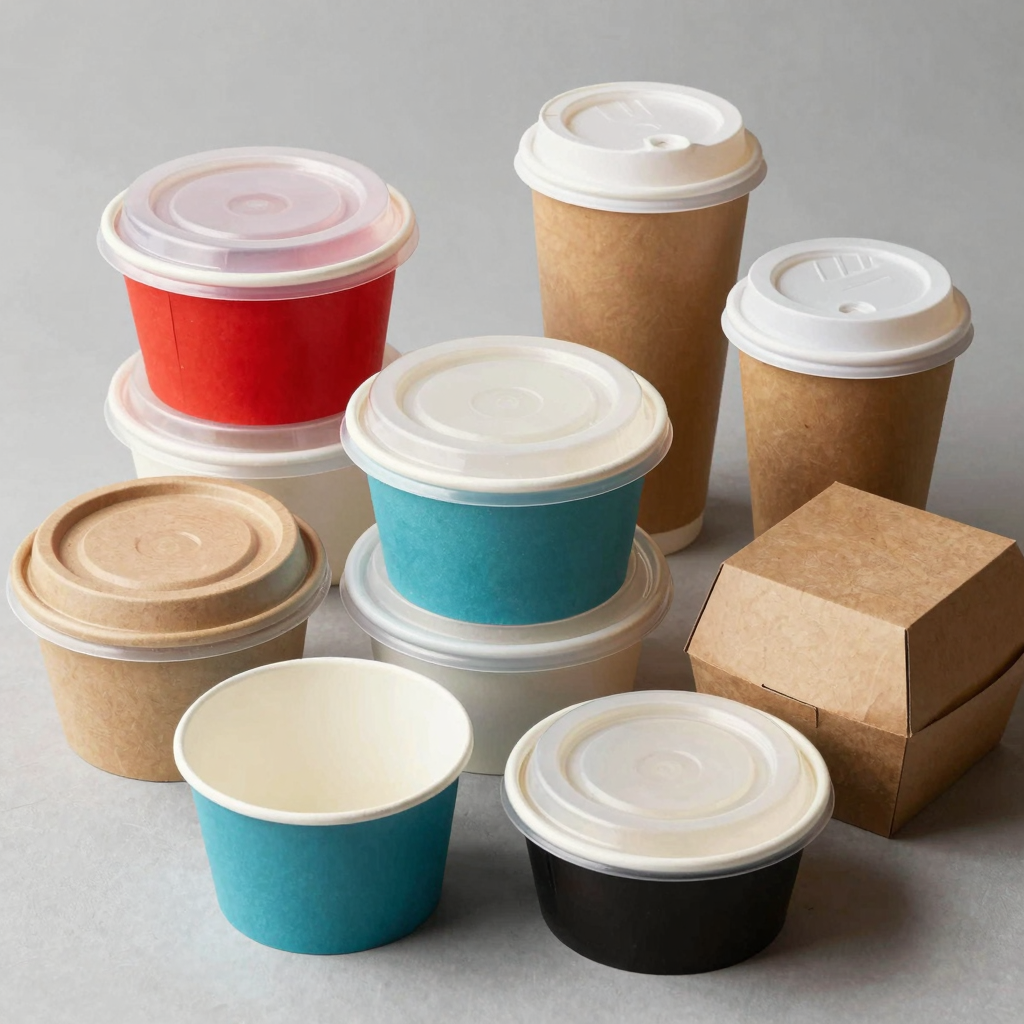
The Importance of Eco-Friendly Disposable Containers
In today’s fast-evolving food industry, eco-friendly disposable containers have become a crucial component for businesses aiming to enhance both their sustainability practices and brand perception. With a growing consumer demand for environmentally responsible products, restaurants, food trucks, and beverage chains are recognizing the importance of adopting eco-conscious packaging. Research indicates that over 68% of consumers prefer brands that prioritize sustainable practices, making the commitment to eco-friendly disposable containers not just a trend, but an essential business strategy. Learn more about these trends.
Eco-Conscious Production Methods
Eco-friendly disposable containers are often produced using biodegradable materials like plant-based plastics derived from sources such as sugarcane and corn starch. These materials significantly reduce carbon emissions during production compared to traditional petroleum-based plastics. Furthermore, the production methods employed-such as cold-forming and compression molding-not only minimize energy consumption but also lessen fossil fuel reliance. This innovative approach aligns with global sustainability goals and meets the increasing regulatory demands for environmentally sustaining packaging solutions.
For instance, recent shifts in the food service sector are leading many companies to replace standard plastic containers with alternatives that break down naturally, such as compostable cellulose and bamboo fiber containers. Such innovations not only fulfill customer expectations but also position businesses favorably in a competitive market. Explore more on sustainable packaging.
Impact on Customer Perception
Implementing eco-friendly disposable packaging positively impacts customer perception, reinforcing a brand’s commitment to sustainability. Companies adopting these practices not only align their operations with environmental standards but also enhance their reputation among eco-conscious consumers, fostering customer loyalty and retention. As major brands transition to sustainable packaging, they set a market standard that pushes smaller businesses to follow suit, thus amplifying brand benefits across the industry. By promoting the use of biodegradable containers, food retailers are not just reducing waste but also contributing to a more sustainable future for all.
As businesses continue to adapt, investing in eco-friendly disposable containers will be pivotal in driving positive customer experiences and shaping sustainable food practices.
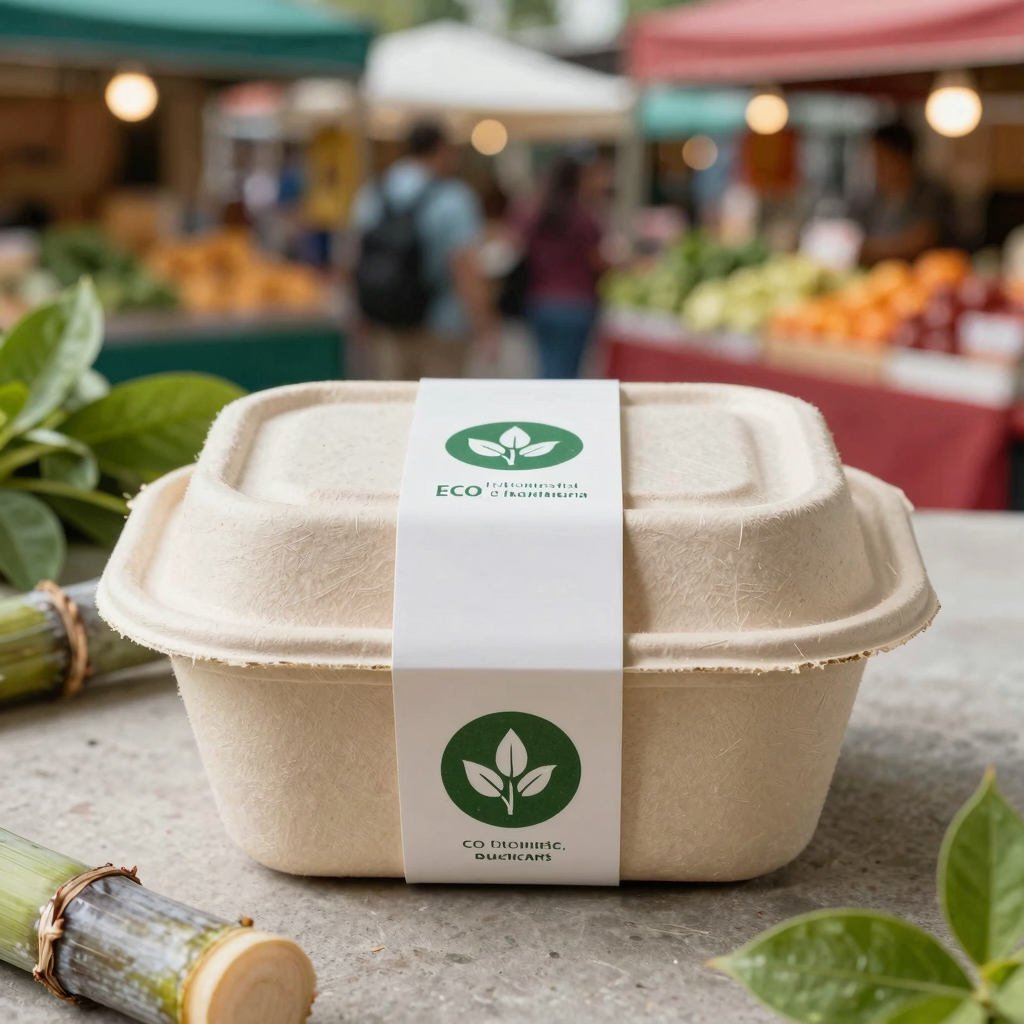
Figure: A vibrant eco-friendly disposable container made from sugarcane, emphasizing sustainability.
Recent Trends in User Adoption of Disposable Containers with Lids
In recent years, the food service industry has seen a significant increase in the adoption of disposable containers with lids. According to a report by the National Restaurant Association, 82% of restaurant operators reported using these containers for takeout orders in 2023, a noticeable rise from 68% in 2020. This increasing preference is driven by factors such as compliance with health regulations and consumer expectations for cleanliness.
Grand View Research indicates that over 70% of fast food chains and independent restaurants in North America and Europe utilize disposable containers with lids as standard packaging. The convenience of these containers, particularly with the rise of delivery services like Uber Eats and DoorDash, has accelerated their adoption due to the demand for leak-proof and microwave-safe options.
Additionally, 74% of food service establishments have adopted these containers, focusing on functional advantages such as stackability and eco-friendly alternatives. This trend continues to shape the landscape of food service packaging, highlighting a shift towards sustainable practices as businesses seek to enhance customer satisfaction while maintaining operational efficiency.
For more insights into eco-friendly options, learn more about sugarcane cup benefits.
Adoption Trends of Disposable Containers with Lids (2021-2026)
The trends in the adoption of disposable containers with lids are witnessing a significant shift, primarily driven by the rise of the food delivery market and an increasing focus on sustainable packaging.
Key Insights
- Food Trucks: Initially low adoption rates have surged, especially from 2022 to 2024, as food trucks respond to operational needs in hygiene and convenience.
- Restaurants: Post-2020, restaurants have pivoted significantly towards disposable solutions, especially with the explosion in takeout services.
- Delivery Platforms: They account for the largest sector demand, reflecting an annual growth rate exceeding 20% from 2021 onwards.
- Events: Large gatherings have boosted the usage of disposable containers, especially those made from sustainable materials.
- Healthcare: Though less impactful in the overall trend, adoption continues to rise in medical contexts, driven by sterile needs.
Visual Representation
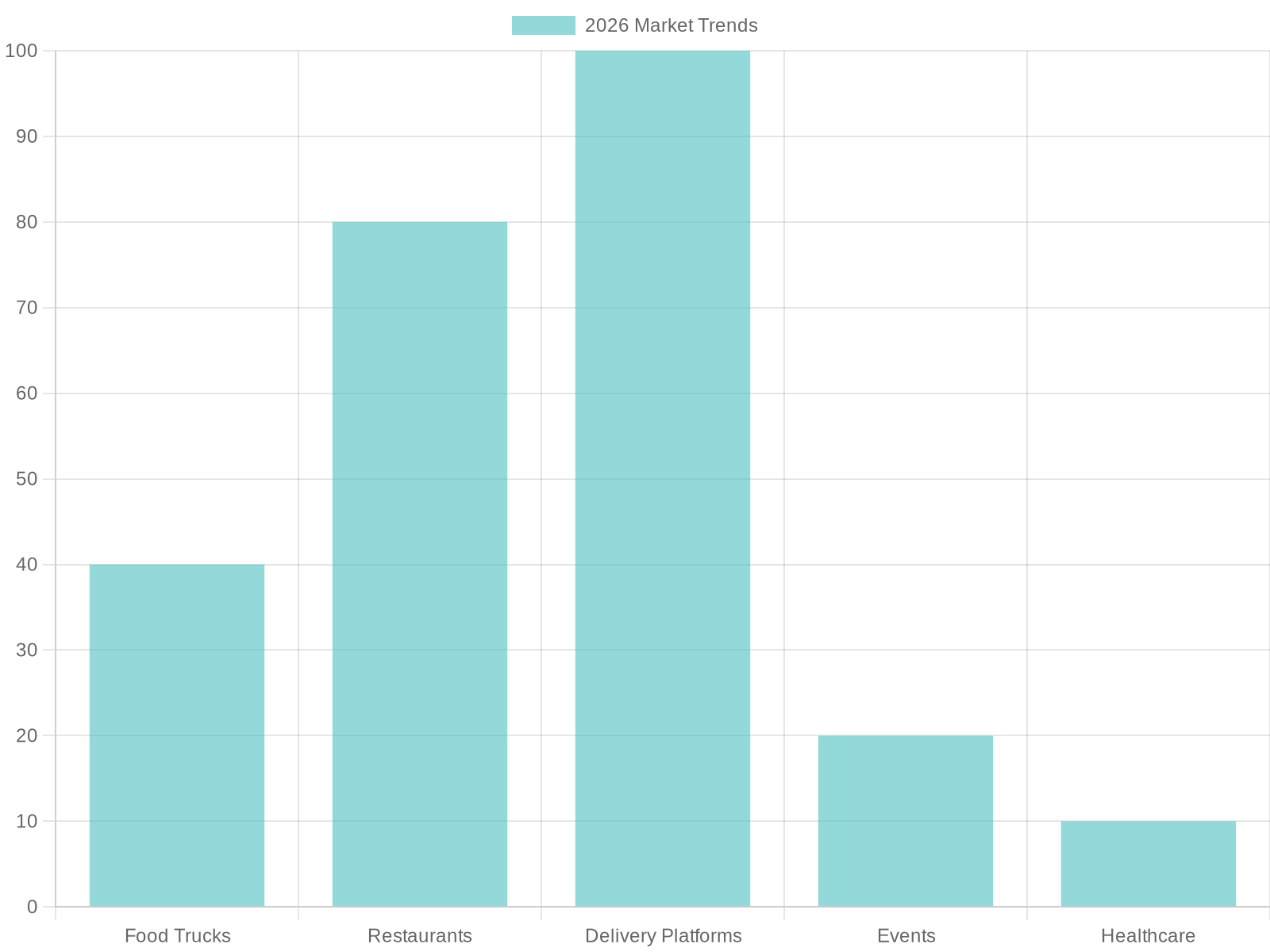
This chart illustrates the projected growth across various sectors, highlighting how the demand for disposable containers with lids is transforming the foodservice packaging industry.
Safety Standards for Disposable Containers
When it comes to disposable containers used in food service, adhering to safety standards is paramount. These standards not only ensure the health and safety of consumers but also assist food service providers in maintaining compliance with regulations. Here’s what you should know about the major safety standards for disposable containers.
Health Regulations
In many regions, disposable containers must comply with local health regulations that dictate the materials used in food packaging. For instance, in the European Union, EU Regulation (EC) No 1935/2004 governs all materials intended to come into contact with food. This regulation mandates that no harmful substances can migrate from the packaging into the food, which is essential for protecting consumer health. Similarly, in the United States, the FDA 21 CFR Parts 174-179 applies stringent standards to all food contact substances.
Material Safety
The materials used for disposable containers should be food-safe. In the latest standards from China, GB 4806.7-2023, which will be enforced from June 2024, plastic materials must not release harmful substances (e.g., BPA) and should maintain a total migration limit to ensure safety. These standards are crucial for materials like polypropylene (PP) and polyethylene (PE), popular for their heat resistance and stability.
Certification Processes
To ensure compliance, food service providers must obtain certifications for their disposable containers. Certifications such as those from SGS provide confidence that products meet safety standards for food contact materials. This involves thorough testing to verify that no hazardous materials can migrate into food. Companies should obtain product qualification certificates and submit third-party test reports as part of the certification process.
Involving certified materials and adhering to relevant health regulations not only safeguards consumer health but also enhances the credibility of your food service business.
In conclusion, the importance of using reliable disposable containers with lids cannot be overstated. These containers not only enhance food safety by preventing contamination but also streamline operations by saving time and reducing cleaning costs. The leak-proof designs and ergonomic features ensure that your beverages and food reach customers in perfect condition, elevating their experience and satisfaction. For businesses like bubble tea shops, restaurants, food trucks, and catering services, investing in high-quality packaging is a strategic move that supports your brand’s integrity and compliance with hygiene standards.
Are you ready to elevate your food service with top-notch disposable containers? Don’t hesitate to partner with us for your packaging needs. Together, we can ensure that your products are presented beautifully and safely, making a lasting impression on your customers. Get in touch today and let’s discuss how our products can meet your specific requirements!