
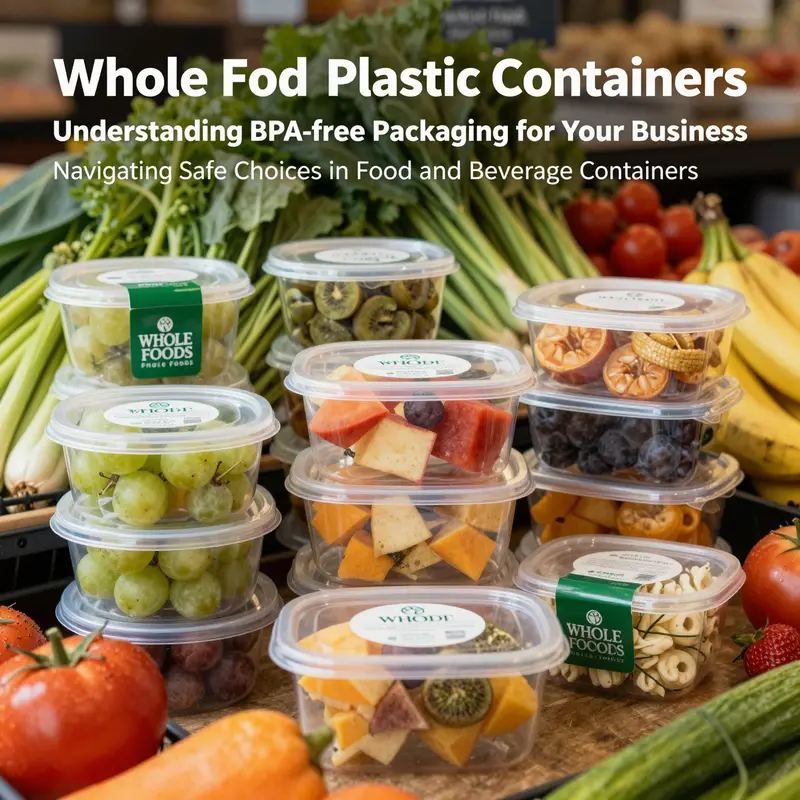
In the evolving landscape of food service and catering, the choice of packaging materials directly impacts both customer safety and business reputation. Whole Foods Market, well-known for its commitment to quality and sustainability, offers a range of plastic containers that have sparked interest among food professionals. One crucial concern is whether these containers are BPA-free and what that truly means for safety and consumer health. This article delves into Whole Foods’ plastic containers, focusing on their BPA-free status and the implications for businesses in the food industry. We will guide you through an understanding of the materials used in these containers, address safety concerns, and provide practical advice for selecting suitable products for your operational needs.
null

null
BPA-Free, But Not Problem-Free: Reading Whole Foods’ Plastic Containers for Health and Safety

Reading the packaging landscape at Whole Foods Market through the lens of safety requires more than a simple yes or no about BPA. It demands a careful, continuous consideration of materials, their intended use, and how human health can be affected by real-world conditions. The brand has positioned itself around safety and sustainability, and the messaging around plastic containers has echoed that stance. Yet the conversation around BPA-free plastics is not a closed book. It is a chapter that invites shoppers to look beyond the label and to understand the practical implications of material choices, the limits of substitutes, and the everyday decisions that collectively shape exposure to chemicals during food storage, heating, and disposal.
At the core, the BPA-free designation signals a deliberate shift away from Bisphenol A, a compound that drew concern for its potential hormonal effects. Whole Foods has aligned with a broader industry trend to pivot toward materials that avoid BPA in food-contact applications. In practice, this often translates to the use of polymers such as high-density polyethylene and polypropylene, as well as certain forms of PET for specific uses. Each of these materials carries its own profile of advantages and caveats. HDPE, for instance, is widely regarded as chemically stable and naturally BPA-free, a feature that makes it a common choice for bulk foods, dry goods, and storage options that require moisture resistance and durability. PP is celebrated for heat resistance, which supports microwave use and dishwasher safety in many cases, and it remains a staple for reusable meal prep containers and deli-style offerings. PET, while BPA-free, is typically recommended for short-term use and non-reheatable applications because repeated exposure and high temperatures can raise questions about long-term safety.
What this translates to for the everyday shopper is a layered understanding of safety that is not exhausted by a single label. The packaging team at Whole Foods, along with many suppliers, tends to emphasize that all plastic containers used in store or sold for consumer use are BPA-free. This is not a blanket promise that every possible chemical interaction has been ruled out, but rather a formal commitment to eliminate a specific known risk while acknowledging that substitutions can carry their own complexities. The broader initiative, often captured under the banner of clean packaging, mirrors a regulatory and ethical push toward minimizing a spectrum of potentially harmful substances—BPA in particular, and also phthalates and other endocrine-disrupting compounds. Still, the reality is nuanced: when a container is labeled BPA-free, it does not automatically guarantee zero risk from all endocrine-disrupting chemicals. Substitutes such as bisphenol S or bisphenol F, among others, have not always been tested as comprehensively as BPA, and long-term health impact data can lag behind product availability.
To grasp how this plays out on shelves, it helps to dissect the commonly used plastics and connect their properties to safety considerations. HDPE is coded as Recycling Code #2, a designation that not only points to its chemical stability but also to its recyclability. In practical terms, HDPE is often employed for containers that hold dry goods like grains, flour, sugar, and nuts. Its resistance to moisture and its general heat stability make it a sturdy choice for storage that goes beyond a single use. For shoppers, this means a higher probability of encountering BPA-free HDPE in everyday pantry containers and bulk-sealed packages. PP, or polypropylene, is another frequent material in Whole Foods’ plastic lineup. It is prized for its heat resistance and clarity, a combination that makes it suitable for a range of applications from reusable meal-prep containers to deli cups and certain yogurt cups. The inherent BPA-free nature of PP is widely recognized, but, as with all plastics, the exact performance hinges on how the product is designed and used. The material can endure brief heating, but prolonged exposure to high temperatures or aggressive conditions can lead to material fatigue, potential micro-migrations, or changes in surface properties that alter how contents interact with the container over time.
PET, or polyethylene terephthalate, is another common material encountered in single-use applications—think clear, crisp packaging that emphasizes product freshness and visibility. PET’s BPA-free status is often cited, and for short-term, non-heated uses it can be a practical choice. The caveats come with repeated use or heating; PET is not typically recommended for long-term storage, and certainly not for reheating in a manner similar to PP or glass. The overall message for shoppers is that each material serves different purposes within the Whole Foods ecosystem: HDPE for durable, moisture-resistant storage of dry goods; PP for heat-tolerant, reusable, and sometimes microwave-safe scenarios; PET for short-term, transparent packaging that prioritizes freshness but is not designed for sustained reuse or high-temperature exposure.
No discussion of safety would be complete without acknowledging the cautions raised by hormones and endocrine research. The warning from researchers such as Dr. Laura Vandenberg and others in the field of endocrinology is clear: removing BPA from a container does not automatically render it entirely free of health concerns. Substitutes may exhibit different endocrine-disrupting profiles, and the long-term effects of these alternatives are not always fully understood. This reality sits behind Whole Foods’ packaging policy, which emphasizes eliminating known hazards while working with suppliers to validate safety through documentation and compliance checks. The net effect for the consumer is a layered risk assessment rather than a binary decision: you are choosing containers that avoid BPA, but you should remain mindful of the possibilities that substitutes may pose, especially under certain conditions such as high heat, acidic or highly alkaline contents, or long-term storage.
From a practical front-line perspective, there are several strategies shoppers can adopt to reduce potential exposure and to align purchase choices with personal health priorities. First, pay attention to explicit labeling. Look for clear statements that a container is BPA-free and food-grade. Some products go further by calling out the specific material, such as PP or HDPE, which provides an extra signal about how the container will behave under different conditions. When possible, selecting PP- or HDPE-based containers can offer more predictable performance in kitchens that routinely involve microwaving, washing in dishwashers, or repeated use. Second, consider the intended use. If the container is designed for long-term storage of acidic or highly alkaline foods, or for extended refrigeration, heating, or cooking, a more inert or non-plastic option may be preferable—glass or ceramic for hot or acidic/alkaline storage is a common alternative. Third, be mindful of heating any plastic that is not explicitly labeled microwave-safe for the particular application. Even BPA-free plastics can degrade under heat, potentially altering the surface or releasing trace compounds if used inappropriately. Fourth, recognize the role of storage time. The longer a food sits in a container, the greater the possibility of migration of small molecules, especially for foods with high fat content or strong acidity. For this reason, short-term use of single-use PET or other plastics for immediate consumption and breakfast-to-lunch transitions is common, while high-heat or multi-day storage scenarios often call for materials with more stable performance.
All these practicalities are part of the larger ecosystem surrounding Whole Foods packaging. The retailer has publicly committed to eliminating harmful chemicals from its packaging through its Clean Packaging initiative, a program that sets strict safety and environmental standards and requires suppliers to provide documentation validating compliance. This commitment sits at the intersection of consumer health, product integrity, and environmental stewardship. It is not a guarantee of absolute risk elimination, but it is a proactive stance that informs product development, sourcing, labeling, and end-of-life considerations. The reality for shoppers is a dynamic landscape in which material science, regulatory standards, and consumer expectations continuously shape what is available on shelves and in bulk bins.
In discussing material selection, it is useful to connect the dots between the science and the everyday shopping experience. HDPE’s moisture resistance helps protect dry foods from clumping and spoilage, which can be a practical health protection in itself by preserving nutrient integrity and reducing waste. PP’s heat resistance expands the functional repertoire of containers, enabling quick reheating and easier food handling without warping or breaking down. PET’s clarity and lightness support product visibility and convenience in single-use contexts, while reminders about reuse and limited reheating help steer behavior toward safer practices. The material choices are not merely about what is safe to touch; they influence how people store, transport, heat, and ultimately consume food. When a shopper sees BPA-free on a label, it is a signal that a specific risk has been addressed, but it also signals that attention should shift toward understanding substitutes and how a given container is designed for use in the kitchen and beyond.
For readers who want to explore plastic-free options more deeply, there are related avenues worth pursuing. Readers may encounter plastic-free, food-grade alternatives in discussions of single-use and reusable take-away packaging that emphasize paper-based or fiber-based solutions. In this chapter, the emphasis remains on understanding the plastic containers that Whole Foods commonly uses and sells, because those are the options most people encounter in daily life—whether browsing the bulk aisle, picking up a prepared meal, or choosing a packaged ingredient for a home recipe. Yet the broader conversation about packaging choices is also part of the health story. Plastic-free options can align with broader goals of reducing chemical exposure, minimizing environmental impact, and supporting products designed for reuse and recyclability. The journey from BPA-free to truly low-risk or low-impact packaging is a spectrum, and shoppers can participate by staying informed, reading labels carefully, and choosing what best fits their kitchen routines and health concerns.
In practical terms, this means treating BPA-free as a baseline rather than a final verdict. When you are choosing containers, consider the material’s compatibility with your cooking methods, the nature of the food you store, and how you anticipate using the container over time. For those who rely on reheating, PP-based options with clear microwave safety labels often provide a predictable path forward. For those who focus on long-term storage of dry goods, HDPE-based containers can offer durability and stability, together with more straightforward recycling options. When PET is used, it is wise to treat it as a short-term solution rather than a long-term storage choice, given its design primarily for visibility and convenience rather than repeated use.
The conversation around safety also benefits from a prudent approach to labeling and documentation. Whole Foods and its suppliers are expected to provide evidence of compliance with food-contact safety standards. This means checking for documentation that confirms the material’s suitability for contact with food, its BPA-free status, and any notes on potential substitutes. A robust safety culture in packaging does not rest on a single claim; it thrives when supported by testing, transparency, and ongoing surveillance of product performance in real-world use. Consumers can participate by maintaining a habit of checking packaging for the material designation, the intended use, and any cautions about heat or storage duration. In this sense, the label becomes a small contract between the product and the consumer—a guide to use as intended, with room for informed judgment when conditions diverge from those use cases.
From a consumer psychology standpoint, the trust built by a prominent retailer’s packaging policy matters. When shoppers repeatedly see BPA-free on a container, their confidence grows that their health is a consideration in product design and selection. Yet trust also depends on the perceived transparency of information and the ease with which a consumer can verify safety claims in practice. In the end, it is not a single label that determines safety; it is a constellation of material science, regulatory oversight, store policy, and personal choices. The challenge—and the opportunity—lies in turning complex information into actionable decisions that fit the rhythms of everyday life. This is where education, labeling clarity, and accessible guidance for safe use intersect with the realities of shopping at a market that prioritizes natural and organic products while still navigating the commercial realities of packaging materials.
To help translate these ideas into concrete actions, consider a few practical steps that align with the broader safety intent without oversimplifying the science. First, when shopping, notice if the container clearly states the material type, such as PP or HDPE, in addition to BPA-free. Such information helps you anticipate how the container will behave in your kitchen. Second, if you routinely reheat leftovers, favor PP-based containers labeled microwave-safe and avoid heating in containers that are not explicitly approved for microwave use. Third, for foods that are highly acidic, oily, or long-stored, consider transferring contents to glass or ceramic containers for heating or extended storage, thereby reducing potential interactions with plastic surfaces. Fourth, prioritize containers designed for reuse and easy cleaning, as these often combine durability with safer surface properties that resist scratching or micro-abrasion, which can harbor residues. Finally, stay aware that the packaging landscape evolves as new substitutes replace BPA and as regulatory insights expand. A quiet vigilance, rather than a fixed creed, helps shoppers adapt to safer, smarter choices over time.
The overarching takeaway is that Whole Foods’ plastic containers tend to be BPA-free, aligning with a widely accepted safety standard within the retail and manufacturing world. But the longer arc of safety depends on a suite of factors—material choice, compatibility with food types, heating scenarios, storage duration, and the broader context of substitutes that may carry their own risks or unknowns. Shoppers who combine label literacy with practical kitchen habits will be better positioned to minimize exposure while maintaining convenience and function in daily life. The journey from BPA-free to safer, more informed choices is not a destination but a practice—one that mirrors the ongoing collaboration among retailers, scientists, regulators, and consumers who share a commitment to health, sustainability, and responsible consumption.
For readers interested in broader packaging trajectories beyond plastic, this discussion intersects with the growing emphasis on plastic-free and recyclable packaging options, as well as the design of take-away and home-use products that emphasize sustainability without compromising safety. It is worth noting that the consumer may encounter plastic-free options that still rely on paper-based or bagasse materials, which require different handling and storage expectations. These alternatives can be part of a comprehensive strategy to reduce chemical exposure and environmental footprint, while still delivering the convenience today’s meals and groceries demand. In short, BPA-free is a meaningful signal, but it is one component among many in the ongoing effort to make packaging safer, more sustainable, and more transparent for the consumer.
If you wish to explore concrete, plastic-free options that align with the idea of safe, food-grade materials, you can learn more about plastic-free, food-grade disposable cups here. This resource can provide a practical example of how packaging alternatives present themselves in markets that emphasize safety and sustainability, and it offers a path to broader exploration of non-plastic solutions for home and on-the-go use. plastic-free, food-grade disposable cups.
In the end, shoppers who approach Whole Foods packaging with a blend of skepticism and curiosity will likely find that the store’s BPA-free containers form a solid baseline for safety, while remaining attentive to the particular materials and the conditions under which they are used. The chapter on materials, risk, and practical usage becomes not a cautionary tale, but a guide to informed decision-making. It is a reminder that the label is helpful, but it is only part of a larger conversation about how we store, heat, and consume food in ways that protect our health and honor our commitments to a more sustainable food system. The path forward involves reading labels with nuance, choosing the right container for the right purpose, and recognizing that even well-intentioned packaging decisions require ongoing assessment as science and markets evolve. For many readers, that means building a habit of mindful use, seeking out materials with clear safety profiles, and embracing a balanced approach that weighs convenience against health considerations and environmental impact. This is the essence of navigating Whole Foods’ plastic containers in a way that feels responsible, practical, and confident in daily life.
External resource for further reading: Whole Foods Market Sustainability & Packaging Policy. https://www.wholefoodsmarket.com/sustainability/packaging
Beyond BPA: Navigating BPA-Free Plastic Containers at Whole Foods with Care and Clarity
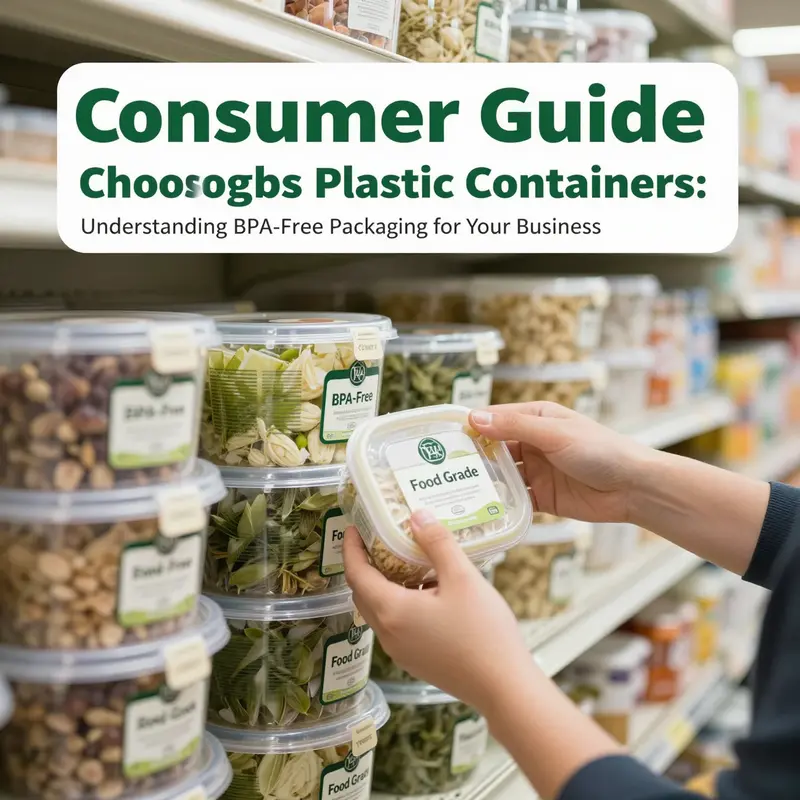
The question of whether Whole Foods’ plastic containers are BPA-free invites more nuance than a simple yes or no. In the marketplace, labels sprint ahead of certainty, and shoppers who want to minimize exposure to potentially harmful chemicals must learn to read more than the big print on a box. The broader arc here is not a single ingredient or a single label, but a shifting landscape of materials, certifications, and corporate commitments that together shape how safe our food storage really is. At its core, the topic asks us to balance practical choices—convenience, cost, and avoidable waste—with the best available science about chemical exposure and long-term health. Whole Foods Market has, in recent years, leaned into safer packaging, particularly within its private-label lines such as 365 Everyday Value, and has signaled a broader push to phase out BPA and other questionable substances from its packaging. Yet the story remains more layered than a single slogan like “BPA-free” suggests, and making informed decisions requires attention to material type, labeling practices, and real-world usage patterns. Across departments and aisles, the consumer encounters a spectrum: from containers explicitly marked BPA-free and food-grade to others that carry more ambiguous language or rely on substitutes whose safety profiles are not yet fully understood by the public. This complexity is exactly why a thoughtful approach—one that looks beyond the label and examines the material chemistry, the intended use, and the store’s sustainability commitments—becomes essential for anyone seeking to minimize chemical exposure through everyday storage practices.
One place to anchor this examination is the materials often used in BPA-free options. In many lines, Whole Foods has shifted away from bisphenol-A-containing polycarbonates toward polymers like polypropylene (PP) and high-density polyethylene (HDPE). These materials have long been favored in kitchenware for their stability and relatively inert behavior in contact with food. PP and HDPE typically perform well under normal household conditions: they withstand repeated washing, tolerate brief microwaving when labeled as microwave-safe, and resist chemical attack from common foods. From a consumer standpoint, these are meaningful advantages. They translate into containers that can stand up to a tight daily schedule, resist staining, and maintain their shape through a busy week of leftovers.
But the label “BPA-free” does not automatically guarantee that a product is without risk. The caution is well explained by researchers and endocrinologists who study how plastics interact with our bodies. The absence of BPA does reduce exposure to that specific chemical, but it can open the door to other bisphenols such as BPS or BPF, or to an array of plasticizers and additives that may still pose endocrine-disrupting potential. In practice, this means responsible shoppers should read not only for the presence of “BPA-free” but also for explicit statements about other chemicals, certifications indicating non-toxicity or food-grade safety, and, when possible, for a clear description of the material’s composition. The science is ongoing, and while some alternatives have robust safety data, others have less longitudinal evidence. This is why the consumer often benefits from combining multiple safeguards: choosing PP or HDPE when possible, looking for recognized food-grade certifications, and incorporating non-plastic options where feasible.
Whole Foods’ own communications acknowledge the complexity. The store has publicly noted that some private-label containers marketed in the past may not have lived up to every expectation of a BPA-free standard in every instance. In response, the retailer has committed to phasing out BPA and other harmful chemicals from its packaging. That reprioritization matters, because it signals a shift in how the store evaluates suppliers, what it allows on the shelves, and how it communicates with consumers about safety. It also underscores a larger industry reality: packaging is a moving target. Manufacturers may switch materials, testing protocols, and certifications as new evidence emerges, or as consumer demand pressures change. For shoppers, this means that even a container labeled BPA-free should be interpreted in context, with attention to the material and the accompanying assurances that the product is intended for the specific uses you have in mind.
This is where the practical guidelines come into play. The first is to verify the packaging line’s explicit claims. Look for phrases like “BPA-free” and “food-grade” in close proximity to the material description. If a container mentions PP or HDPE, that is a strong signal of a familiar, generally stable plastic intended for contact with food. Containers made from these polymers tend to be forgiving when it comes to washing and light heating, though it remains prudent to follow the manufacturer’s care instructions. If a product touts “plant-based” or “compostable” plastics, the conversation broadens yet again. These materials often derive from corn starch or other bio-based feedstocks and may have different performance profiles. Some compostable plastics are designed for home composting; others require industrial facilities. In either case, the consumer should read the label to distinguish microwave safety from compostability, since not all compostable plastics are suitable for heating in a microwave, and not all can tolerate long-term freezer storage without becoming brittle or losing clarity.
A crucial caveat accompanies these recommendations: the potential for substitution with chemicals of concern. In the realm of BPA-free plastics, the search for safer options does not end when BPA disappears. Substitutes like BPS (bisphenol-S) and BPF (bisphenol-F) have been detected in various consumer products and may possess endocrine-disrupting properties of their own. The scientific community has not reached a consensus about the full health implications of these substitutes, and regulatory oversight varies by jurisdiction. Therefore, even when a container is BPA-free, it remains wise to exercise practical caution. For households that want to minimize risk, a multi-pronged approach is sensible: use BPA-free PP or HDPE when possible, choose glass or stainless steel for long-term storage or reheating, and reserve plastic for short-term storage of non-acidic foods when needed. This approach reduces the cumulative potential exposure that could arise from repeated use of a single container in a wide range of conditions.
The real-life implications of these choices extend beyond health to the environment and daily convenience. Whole Foods’ push toward safer packaging aligns with broader sustainability goals. The chain has sought to decrease the use of problematic materials, promote recyclability, and encourage more responsible consumer behaviors. This alignment matters because the store’s packaging decisions shape what shoppers encounter at the point of sale and what families decide to bring home for their kitchens. The presence of BPA-free labeling can serve as a signal that a retailer recognizes consumer concerns and is acting to address them. Yet, a label alone is not a guarantee; it is a starting point for a more aware purchase and a more thoughtful storage habit.
To put these ideas into practice, consider the daily rhythms of how containers are used in a typical household. Many families rely on BPA-free PP containers for meal prep, portioning, and on-the-go lunches. The advantages here are tangible: the containers are light, durable, and typically microwave-safe if the product specifies it. The transparency of many PP containers makes it easy to see what remains, cutting down on food waste and the need to open multiple containers during a meal. HDPE-based containers often carry the advantage of strong chemical resistance and a longer lifespan in a busy kitchen. They are less prone to staining and warping, which makes them a reliable choice for a wide array of foods, especially those that are non-acidic or mildly acidic. The plant-based or compostable options present an appealing environmental story, but tend to require more careful handling. Home compostable plastics may be microwave-safe and freezer-safe in some product lines, but not all, and some compostable options are sensitive to heat, which can compromise performance. This is not a warning against using compostable plastics; rather, it is a reminder to check the specific use-case guidelines and to recognize that different products have different expectations merely based on their material composition.
Another practical angle is the concept of end-of-life disposal and stewardship. The full value of any container derives not only from its safety in use but also from what happens to it afterward. Recyclability varies by material and region. HDPE and PP are among the more widely recycled plastics in many municipal programs, but recycling rates depend on local facilities and consumer participation. When a container has a clear recycling code and is accepted by a local program, it can be part of a responsible lifecycle. Compostable options require separate streams in many communities, and home composting, while convenient, is not universal. In short, the same container that keeps food fresh can also contribute to a more robust circular economy if approached with an informed mindset about disposal pathways. This is where consumer choices intersect with municipal infrastructure, and it helps explain why the conversation around BPA-free often becomes a conversation about a larger system of packaging and waste management.
Within this framework, Whole Foods’ ongoing commitments deserve close attention. The store has publicly expressed a determination to divest from BPA-containing packaging and to pursue safer materials across its private-label lines. When shoppers encounter a product labeled BPA-free, that is not merely a brand promise; it is an artifact of a broader reform movement within retail supply chains, a signal that the retailer is negotiating with suppliers to replace problematic substances with safer alternatives. The practical upshot for shoppers is clarity about what to expect on the shelf, tempered by the understanding that not all substitutions are equally well understood in terms of long-term health effects. As with any evolving standard, the most reliable path for a consumer is to couple label reading with direct material knowledge, care labels, and an awareness of the recommended uses for each container.
This nuanced approach also invites a broader reflection on how to store foods safely at home. The kitchen is both a lab and a hearth; it processes ingredients, stores leftovers, and sometimes heats meals for family members with varying sensitivities. In this environment, the science of plastic containers operates alongside everyday habits. For example, acidic foods such as tomato sauce or citrus-based sauces can interact with certain plastics in ways that affect flavor, color, or, in rare cases, leachates. Prolonged contact with hot foods can increase the potential for any additive to migrate, particularly if the container is not explicitly labeled for high-heat use. Therefore, even with BPA-free containers, best practice often includes using the container within its tested heat range and avoiding long-term storage of highly acidic or fatty foods in plastics that are not designed for such conditions. When in doubt, transferring leftovers to glass or steel containers for reheating can offer a further shield against chemical interactions and provide a visible, durable storage solution for a busy household.
The decision to opt for safer containers at Whole Foods is also a decision about culture and habit. It recognizes that health and safety are not merely abstract concerns but practical components of daily living. It recognizes that a shopper’s choice to use BPA-free PP or HDPE containers can influence a family’s exposure profile, particularly for children, who are often more vulnerable to the cumulative effects of environmental chemicals. It also acknowledges that the store’s packaging choices send messages about what counts as responsible consumption in a modern food retail context. When shoppers see BPA-free labels, they are reminded of the ongoing work to replace older materials with safer standards. They are reminded, too, that being an informed consumer means asking questions about what is on the shelf, what is inside the container, and how that container meets the needs of their household from cooking through cleaning up at the end of the day.
In the end, the question of whether Whole Foods’ plastic containers are BPA-free is best understood as part of a broader, evolving conversation about safety, transparency, and responsibility. A consumer who is thoughtful about this topic will blend practical considerations with an awareness of the scientific landscape and a willingness to adjust practices as new evidence emerges. The path forward is not a single, definitive label but a habit of reading packaging, choosing materials with proven safety and stability, and coupling those choices with environmentally mindful disposal and reuse practices. The store’s ongoing efforts to phase out BPA and other chemicals across its packaging signal progress and a commitment to better standards, even as shoppers recognize that no material is entirely risk-free in every possible scenario. This awareness—paired with careful, deliberate choices about when to use plastics, which plastics to rely on, and how to care for them—constitutes a balanced approach to food safety in a world where packaging is omnipresent and evolving.
For readers who want a concrete example of safer packaging options in the broader packaging ecosystem, one can consider the range of paper-based and kraft alternatives that are designed for take-away and home use. These products illustrate how safe storage can be achieved without relying on plastics at all or by using bio-based or recyclable materials that fit within a sustainability-minded workflow. In this vein, it is worth noting a specific example of a design category that aligns with the goal of minimizing chemical exposure while maintaining practicality: kraft paper takeout boxes and related containers with secure lids. Such designs show how the industry is exploring non-plastic or low-plastic solutions that still meet consumer expectations for durability, microwave tolerance, and ease of use. This line of thinking makes clear that safety in storage is not a binary attribute but a spectrum that includes material science, product design, consumer behavior, and the realities of retail supply chains. A practical takeaway for readers is to explore options that extend beyond the traditional plastic container and to consider how non-plastic or bio-based solutions might fit into daily routines. For instance, you can discover kraft paper takeout boxes and other paper-based options that are designed for everyday use and can reduce reliance on plastics in some contexts. You can explore these kinds of products here: kraft paper takeout boxes.
Looking ahead, the conversation about BPA-free containers at Whole Foods will likely continue to evolve as new materials, certifications, and safety data emerge. This evolution is not a verdict on a single material, but a process of continual improvement that involves manufacturers, retailers, researchers, and consumers. Consumers, in turn, can play a pivotal role by demanding greater transparency, supporting products that carry robust certifications, and adopting storage practices that emphasize safety and sustainability. By staying informed, readers can navigate the shelves with greater confidence, choosing containers that meet their health standards while aligning with their environmental values. And as Whole Foods pursues its stated goal of reducing problematic chemicals in its packaging, shoppers can expect more clarity over time about which products meet the highest standards of safety and which may still warrant cautious use. The journey toward safer storage is ongoing, but it is a journey that benefits from clear information, careful reading of labels, and deliberate, health-conscious choices that fit into everyday life.
For a practical, on-the-ground reference to safer packaging options within the broader packaging family, one relevant example in the paper-based category can be explored through the following product design: a takeout kraft paper box with a secure lid. This design demonstrates how a non-plastic alternative can be engineered to meet typical takeout and storage needs while providing a different environmental and chemical profile than traditional plastics. When considering such options, readers may also explore related products in the same family, such as other compostable or reusable paper-grade containers that support everyday food storage, transport, and reheating workflows. The takeaway is not to rigidly avoid all plastics, but to approach storage choices with a discerning eye toward material composition, labeling, and appropriate use cases. The result is a kitchen that feels both safer and more adaptable to the realities of modern life.
In sum, Whole Foods’ plastic containers are frequently BPA-free, but the label alone does not guarantee complete safety. The most reliable strategy is to combine material awareness with careful attention to labeling, to favor PP or HDPE for everyday storage, to consider glass or stainless steel for long-term storage or high-heat use, and to be mindful of the environmental dimensions of packaging choices. This integrated approach respects the complexity of the modern packaging landscape while empowering shoppers to take control of their own health and household routines. As the science evolves and as retailers like Whole Foods continue to refine their packaging standards, the everyday act of choosing a container becomes a small but meaningful form of care—care for personal health, care for family, and care for the planet we share. For readers seeking a broader frame of reference on Whole Foods’ packaging commitments, the official product page provides a gateway to understanding current offerings and the store’s stated sustainability priorities: https://www.wholefoodsmarket.com/product/food-storage-container-item-container.
Internal link reference: For a practical example of safer packaging options within the non-plastic or paper-based category, see kraft paper takeout boxes. This design illustrates how responsible packaging can balance safety, usability, and environmental considerations in everyday use. You can learn more about kraft paper takeout boxes here.
External resource: For further context on Whole Foods’ packaging commitments and safety communications, see the official Whole Foods product page on food storage containers at https://www.wholefoodsmarket.com/product/food-storage-container-item-container.
Final thoughts
Choosing the right plastic containers for your food service business is paramount, especially in a market that increasingly values health and safety. Whole Foods Market offers a selection of BPA-free plastic containers that can fulfill your packaging needs while addressing consumer concerns. However, understanding the materials and ensuring that you make informed choices remain vital. By emphasizing BPA-free options, businesses can reassure customers about their commitment to health and safety. Make wise selections and consider the recommendations provided to elevate the quality of your offerings and build trust in your brand.