
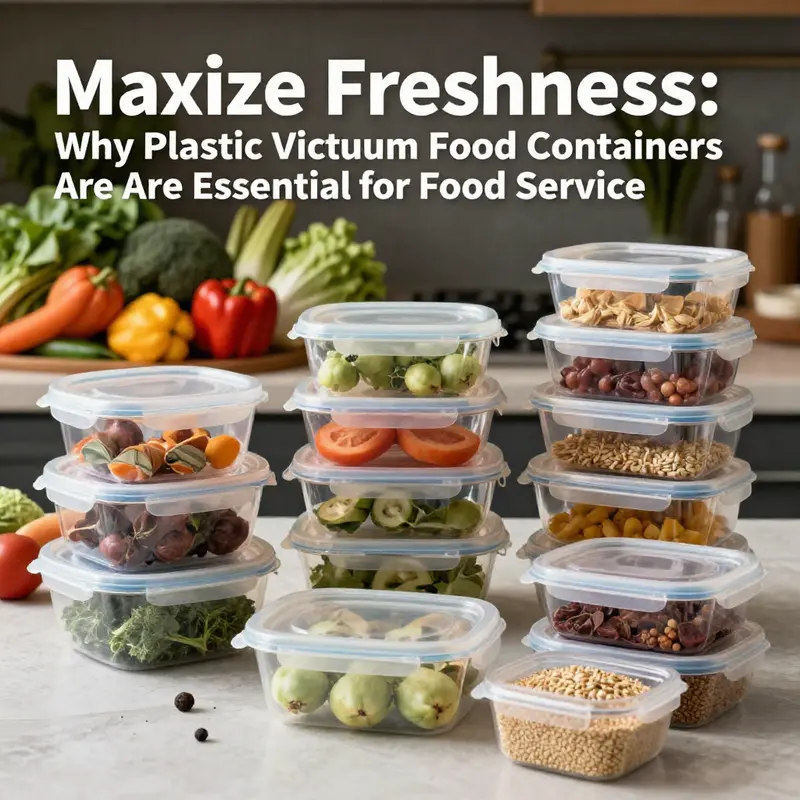
In the competitive world of food service, keeping ingredients fresh and safe is paramount. Plastic vacuum food containers offer a revolutionary solution by effectively extending the shelf life of various food items. With the ability to eliminate air and moisture, these containers not only preserve food quality but also minimize waste—which can be a game-changer for bubble tea shops, restaurants, food trucks, and catering services. This article delves into the benefits of using plastic vacuum food containers, the innovative materials and construction techniques that define them, and the current market trends coupled with sustainability considerations to help you make informed decisions for your business.
Preserving Freshness: The Unseen Advantages of Plastic Vacuum Food Containers
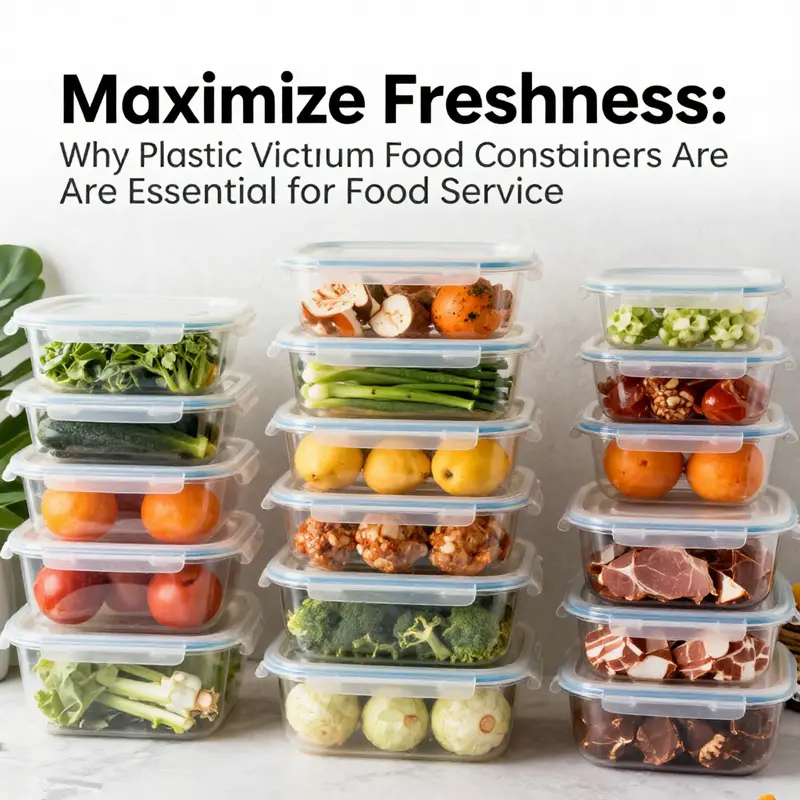
Plastic vacuum food containers quietly perform a crucial craft: they guard freshness by removing air. The act of pulling oxygen from the interior is not a gimmick. It is a deliberate restraint on the chain reactions that degrade food. Oxygen feeds aerobic bacteria and molds, drives oxidation, and promotes moisture loss that dulls color and texture. When air is reduced, these processes slow dramatically. The result is not only longer storage but a more faithful retention of what makes food appealing in the first place. Fresh fruits stay crisper, vegetables retain their snap, and leftovers preserve their aroma and texture longer than they would in ordinary containers. This is not about a single dramatic improvement. It is about a cascade of smaller wins that accumulate: flavor that remains true, moisture that does not evaporate with every passing hour, and the sense that what is inside is as close as possible to freshly prepared, even days after it left the kitchen.
The practical implications extend beyond mere housekeeping. For households balancing busy schedules, vacuum sealing can turn a spoiling week into a manageable plan. It reduces waste by keeping foods usable for longer and lowers the emotional and financial cost of discarded meals. In this light, the technology becomes less about novelty and more about predictable outcomes: predictable taste, predictable texture, and predictable safety in storage.
Beyond shelf life the advantages include easier meal planning, less daily decision making, and reduced worry about spoilage. The practical range of use invites a thoughtful approach: store what you cook, what you buy in bulk, and what you plan to enjoy later, all with a preservation system that respects the food texture and flavor.
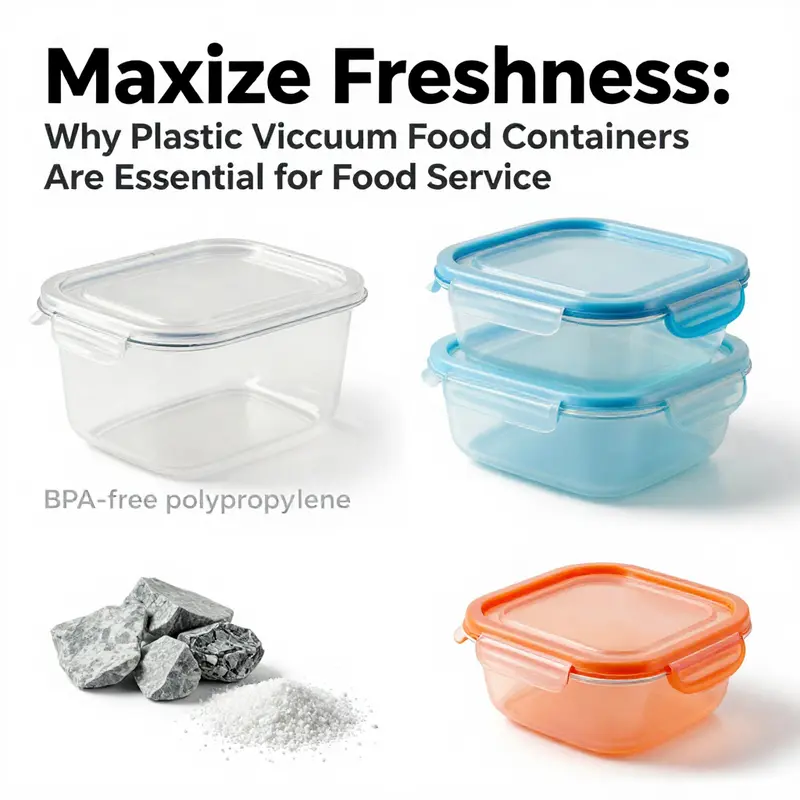
Material choice plays a central role in these advantages. Most modern plastic vacuum containers are made from food grade polymers that are compatible with cold storage and light reheating. They are often designed to be BPA free and marked as safe for contact with food. This safety orientation addresses concerns about chemical migration that sometimes accompany plastic storage. The emphasis on food grade materials like polypropylene and certain types of silicone for gaskets reflects a broader industry shift toward consumer confidence and long term durability. The materials are chosen for durability, resistance to odors and stains, and ease of cleaning. The gaskets and seals are interior features that ensure a tight seal while minimizing the risk of leaks.
Yet this safety and reliability come with a note of caution. Plastic storage, while generally robust for everyday use, can suffer from micro scratches that accumulate with repeated use. These tiny abrasions may harbor bacteria if the container is not kept clean, particularly after exposure to acidic foods or repeated heating. Regular, gentle cleaning with non abrasive detergents, thorough drying, and avoiding harsh scrubbing help maintain the seal and prevent odor retention. Even with careful maintenance, the interior surface can slowly wear over time. When that happens, some users opt to rotate containers or replace seals to preserve the efficacy of the vacuum seal. In other words, the advantages are real and pronounced, but they rely on thoughtful care. The routine remains straightforward: clean, inspect the seal, ensure the lid closes with a firm snap, and avoid exposing the containers to high heat that could degrade the gasket material. This approach preserves the integrity of the preservation system and keeps the user experience consistently reliable over longer stretches of time.
From the kitchen to the grocery routine the practical implications extend. The advantages stretch beyond cooking and storage. They influence how families plan meals, how leftovers are treated, and how much food is kept in circulation before it spoils. The cost of storage, often a hidden line item in household budgets, can be reduced as waste declines and predictability increases. When foods stay fresher longer, there is less urgency to discard items at the first signs of aging, and there is more opportunity to repurpose ingredients into new dishes. In this sense the vacuum storage approach aligns with broader culinary and environmental goals: it supports mindful consumption, minimizes waste, and promotes a more deliberate approach to ingredients. It is a practical tool for anyone who wants to savor more of what they buy, not merely preserve it for a future date. The advantages, then, are about the quality and reliability of storage as much as about the pure physics of air removal. They are grounded in everyday experiences—opening a container to find that the carrots still look bright, the rice is not clumped, or the sauce remains luscious and bright—and they are reinforced by the science that underpins the storage environment.
Choosing a plastic vacuum container involves several factors. Size variety matters because it determines how well the system fits the foods most commonly stored in a given household. Stackability and lid design influence ease of use and space efficiency. The presence of a dependable gasket and a well engineered seal tends to correlate with fewer leaks and less odor transfer. For many users, compatibility with existing kitchen routines whether the containers go from fridge to microwave to dishwasher adds practical value. The cost is another important consideration; while plastic vacuum containers are typically more affordable upfront than glass or stainless steel alternatives, the total cost of ownership includes maintenance, replacing seals or lids when they wear, and choosing models that resist staining or lingering odors.
In sum the advantages of plastic vacuum containers in food preservation are multifaceted. They combine a science based approach to slowing spoilage with a design that supports real world use. They enable clearer organization, safer handling, and more predictable outcomes in daily life. They invite a more intentional, less wasteful approach to how we store and reuse food, shaping habits that can translate into both personal and environmental benefits over time. The result is a storage solution that does not merely keep food longer; it enhances the entire experience of cooking, sharing, and enjoying meals with greater confidence.
Between design and daily use, simple choices in the container can align storage with the pace of modern life. For those who value easy organization, a consistent lid system, clear measurement marks, and durable seals make a big difference. Yet the core value remains the same: fresh food makes meals more enjoyable and waste less likely. Plastic vacuum containers provide a practical gateway to that outcome, balancing the science of air removal with everyday practicality.
Material Truths and the Quiet Seal: The Construction Engine Behind Plastic Vacuum Food Containers
Material Truths and the Quiet Seal
The idea behind plastic vacuum food containers rests on a simple premise: remove air, slow oxidation, and hinder the growth of bacteria and mold. Yet the effectiveness of this approach hinges on more than a clever pump or a sturdy lid. It rests on the materials chosen and the way those materials are put together into a single unit. In this chapter, we trace the material vocabulary and the construction logic that turn ordinary plastic into a storage system capable of extending freshness, reducing waste, and supporting modern kitchen workflows. The narrative moves from the chemistry of plastics to the mechanics of seals, from safety certifications to daily care, all with the aim of showing how every design decision ripples into real-world performance.
At the heart of every vacuum container lies a trade-off between resilience, safety, and practicality. The most common workhorse is polypropylene, or PP. Its appeal is broad: robust impact resistance, heat tolerance, and a stable chemical profile that plays well with food and repeated use. PP is widely regarded as BPA-free, a point of reassurance for microwaving, freezing, and everyday contact with a diverse range of foods. This material’s heat resistance makes it suitable for containers that will encounter the chill of a fridge or freezer and occasionally a quick trip through the microwave for reheating. The ability to withstand temperature swings without warping or weakening is essential when a container must perform in both home kitchens and more demanding environments, such as small cafés or school pantries where rapid turnover and frequent cleaning are the norm.
Another family of plastics often found in vacuum containers is PET, or polyethylene terephthalate. PET offers transparency and rigidity, letting users view the contents without opening the lid. Clarity helps with meal planning and inventory, especially in bulk storage or when drying and marinating foods. However, PET’s heat resistance sits lower on the scale than PP’s, which means it may not be the best choice for containers that see high-heat services or frequent hot-fill cycles. In practice, PET is a smart choice for light to moderate storage tasks, particularly when a lightweight, shatter-resistant profile matters more than extreme heat tolerance. Users who prioritize visibility and lightweight handling may find PET an attractive balance, especially when combined with an interior structure designed to guard against scratches that could obscure the contents over time.
A third material family deserves attention for context: polycarbonate, historically used for its rigidity and durability. PC offered impressive strength and shatter resistance, traits that can be desirable in commercial settings or for households that demand rugged containers. Yet health concerns about BPA, a component historically linked with PC, have driven manufacturers to pivot toward BPA-free formulations and safer alternatives. The shift away from PC in many lines reflects not only regulatory caution but consumer demand for peace of mind when containers contact acidic foods, oils, and high-heat scenarios. In practice, this means a modern vacuum container is often built from PP and PET, with PC used far more sparingly or in configurations explicitly marketed as BPA-free and tested for migration under expected use conditions. The material story, then, is not a single hero but a careful cast of players chosen to balance safety, performance, and cost.
Beyond the resin or polymer itself, the construction of a vacuum container centers on how those materials come together to sustain a vacuum once the seal is formed. The airtight seal is not a mere lid catching the rim; it is typically based on a gasket made from silicone or a similar food-grade elastomer. The gasket must endure countless cycles of opening and closing, tolerate immersion in warm water during cleaning, resist the potions and oils of kitchen life, and stand up to occasional abrasion from utensils and stacking. Silicone gaskets have earned a reputation for durability and resilience; they maintain elasticity across many cycles and temperatures and they resist swelling or cracking when exposed to fats and oils. The seal’s integrity is what prevents air from creeping back into the container, a small but critical advantage in preserving the vacuum state.
Inside the cap or lid, the mechanical design often integrates a one-way or multi-stage valve system. A valve—whether passive, manual, or built into a more advanced system—ensures that air can be evacuated from the interior during sealing, while preventing outside air from re-entering once the vacuum is established. A central vent, sometimes described as a balancing vent, is increasingly common. It serves two purposes: it equalizes pressure during sealing to reduce condensation and fogging inside the walls, and it allows controlled airflow that reduces the risk of moisture buildup that could foster mold growth on the inner surfaces. The upshot is a lid that closes tightly without binding, a feature essential for user-friendly operation in busy kitchens where imperfect alignment would lead to frustration and inconsistent vacuums.
The actual vacuum mechanism varies from model to model. Some systems rely on a manual pump that pulls air out through a dedicated valve, producing a reliable vacuum with tactile feedback. Others hide the vacuum actuation in an electronic module that, with the press of a button, engages a built-in pump. The latter category offers undeniable convenience, delivering a consistent seal with less effort and more repeatable results. Regardless of the mechanism, the aim remains the same: to create a near-airless interior where oxidation slows and bacteria find fewer opportunities to proliferate. The central idea is that the seal and the pump are not independent features; they are a pair whose interaction determines how effectively the container preserves the state of its contents.
From this central pairing flows a broader design language. Many modern containers are designed to be stackable, a practical response to the realities of compact kitchens and professional kitchens that manage many portions at once. Stackability reduces clutter while maximizing cold storage efficiency. Ergonomic handles and grips improve maneuverability when containers are filled, vacuumed, and retrieved, especially when dealing with heavier liquids or sauces that push the upper limits of load-bearing design. Clear labeling areas on the lids or sides help users quickly identify contents, reducing repeated openings for guesswork and minimizing temperature fluctuations that can undermine the vacuum. These features are not decorative; they are functional cogs in a system designed to work under ordinary kitchen rhythms—busy mornings, late-night leftovers, and the steady churn of meal prep and batch cooking.
A crucial, often understated element of construction is the attention to surface finish and interior geometry. The interior wall finish matters because microscopic scratches, if they occur, can harbor bacteria and become sites for odor retention or micro-leakage that undermines the vacuum seal over time. Materials science teaches that smooth, inert surfaces are easier to clean and less likely to provide niches for microbial adhesion. Consequently, many manufacturers emphasize polished interior surfaces, rounded corners, and seams that are seamless or easy to wipe down. Where two parts meet—lid to body, or wall to lid—the joints are engineered to be watertight and food-grade safe, with seals that resist degradation from repeated washing and exposure to oils, marinades, and citrus acids. The goal is a vessel that can be cleaned thoroughly without revealing microgrooves or pores where residue might accumulate. This is not mere aesthetics; it is a safety and performance consideration that influences the overall shelf life of stored foods.
Safety certifications play a pivotal role in how consumers understand and trust these containers. For the U.S. market, FDA approval signals compliance with food-contact standards, including limits on harmful substances, migration testing, and labeling requirements. In other regions, certifications such as LFGB provide parallel assurances about safety, odor, and taste neutrality for food contact. When a container carries these certifications, it is not only a claim of quality but a credential that manufacturers must earn through testing that simulates real-use scenarios—repeated washing, temperature cycling, exposure to fats and acids, and long-term storage. The labeling of BPA-free, phthalate-free, and absence of other harmful additives is part of a broader environment of transparency that accompanies modern food storage solutions. Even with certified materials, the choice of how to seal, what gasket material to use, and how the interior geometry is executed all contribute to whether a vacuum holds under practical conditions, such as when a user stores leftovers in the fridge overnight or transports a portion to work in a cool bag.
This technical tapestry does not exist in a vacuum. Environmental considerations shadow material choices. While plastic vacuum containers offer notable advantages in weight, portability, and resistance to shattering, they also prompt questions about end-of-life scenarios and the potential release of residual chemicals under high heat or prolonged contact with aggressive foods. The conversation around safety often includes comparisons with glass or biodegradable alternatives, which can offer advantages in terms of inertness or compostability but may lag in moisture resistance, leak resistance, and weight. The decision matrix for a buyer thus becomes a balancing act: durability and leak resistance against environmental impact, handiness against long-term cost, and convenience against the long arc of safe, repeated use. The materials story helps illuminate why some users prefer PP-based designs for everyday storage while others lean toward glass for certain ingredients or for those who prioritize long-term recyclability. In all cases, the consumer benefits from a clear understanding that each material brings a different performance signature to the same goal—preserving freshness through an effective vacuum.
From a practical perspective, care and maintenance are inseparable from construction. The most durable seal can fail if not cared for properly. Proper cleaning is essential; gaskets should be rinsed and inspected for cracks, tears, or deformation, especially after dishwasher cycles or exposure to hot water, oils, or citrus. It is not uncommon for owners to find that a degraded gasket gradually reduces the vacuum’s effectiveness, allowing a slow seep of air that undermines the containment advantages. A routine check of the seal’s uniformity and a gentle hand wash for the gasket area are prudent practices. When condensation builds up inside the central vent or along the seams, it can indicate that the vent is not functioning as intended or that the seal has developed micro-gaps. In such cases, professionals or manufacturer guidance may recommend replacing the gasket rather than attempting a risky, improvised fix. The maintenance philosophy that emerges from the construction story is simple: materials and seals demand respect, and the long-term performance of the container pays for neglect with diminished freshness, increased spoilage, and more frequent replacements.
In the end, the chapter on materials and construction is a narrative about deliberate choices that translate science into daily usefulness. PP’s heat resilience, PET’s clarity, and PC’s strength, when combined with a silicone gasket, a well-designed lid, and a thoughtful vent system, create a storage tool capable of sustaining a vacuum that meaningfully slows microbial and oxidative processes. The design ethos also embraces practicalities that matter to real kitchens: stackability to save space, ergonomic handling for busy cooks, labeling for organization, and surfaces that are straightforward to clean. Certification labels reassure consumers about safety, while a nuanced view of environmental trade-offs invites readers to weigh their own values when selecting storage solutions. The interaction of material properties with mechanical design is what makes the difference between a container that merely looks efficient and one that reliably preserves freshness day after day, batch after batch.
As you move to the next chapter, consider how this material and construction narrative informs not just what you buy, but how you use it. The seal is not a static feature; it is a dynamic element that works in concert with cleaning routines, storage temperatures, and meal planning habits. The best containers do not just keep air out; they fit into the rhythm of your kitchen, aligning with your routines to minimize waste, preserve the texture and flavor of foods, and simplify the often-overlooked chore of safe, long-term storage.
External resource for further context on food-contact safety standards: https://www.fda.gov/food/food-contact-materials
Beyond Freshness: Market Dynamics, Materials, and the Environmental Trade-Offs of Plastic Vacuum Food Containers
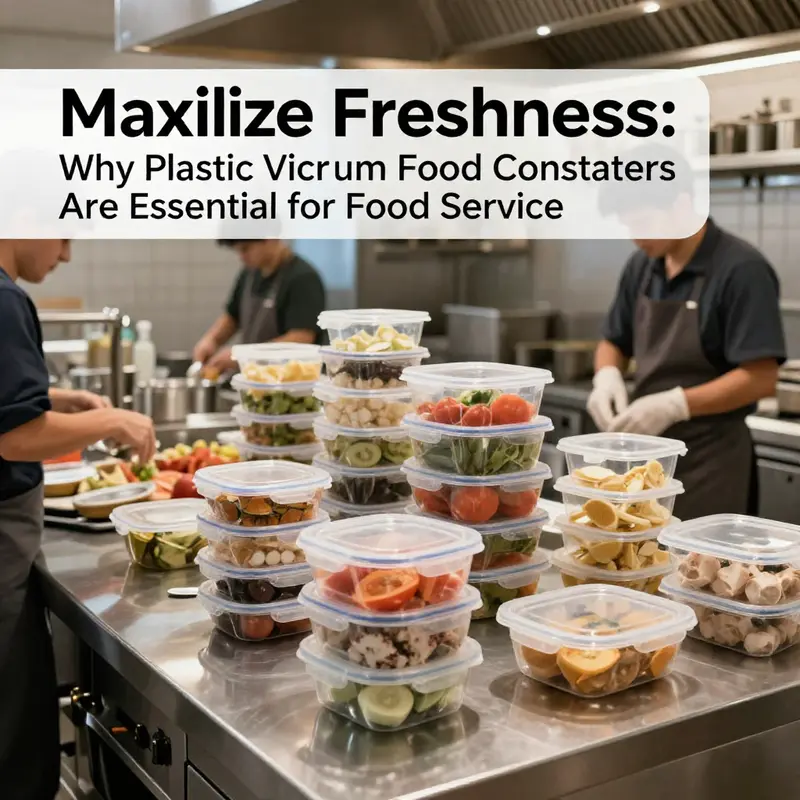
The rise of plastic vacuum food containers sits at the intersection of appetite for longer-lasting freshness, operational efficiency, and evolving environmental pressures. Market data reveal a robust expansion in the vacuum packaging sector, underscoring how households and industries alike increasingly rely on technologies that extend shelf life, reduce waste, and streamline storage. The Vacuum Packaging Market, a proxy for the broader demand for preserved food, was valued at about USD 31.14 billion in 2026 and is projected to grow at a compound annual growth rate of roughly 3.7 percent through 2031. This trajectory speaks to a concerted shift toward processes and products that minimize spoilage, improve food safety, and support convenience-driven consumption patterns. Yet the same momentum brings into focus a set of environmental and procedural considerations that complicate any simple assessment of value. If freshness represents the immediate benefit, sustainability and lifecycle impact become decisive factors for manufacturers, retailers, and consumers who want to balance performance with responsibility.
A central driver of market growth is the integration of advanced materials and manufacturing processes. Plastic vacuum containers are often fashioned from polymers such as PET, polypropylene, and polystyrene, with evolving formulations that emphasize strength, clarity, and chemical safety. The scale of production in major industrial hubs—regions that combine polymer supply, automated injection molding, and streamlined export logistics—has reached volumes that would have appeared improbable a decade ago. In these ecosystems, production can climb to millions of units each month, with unit costs driven down by automation and flexible minimum order quantities that accommodate both large commercial programs and individual product launches. The capacity to prototype rapidly while maintaining FDA-compliant standards reinforces the appeal of these regional clusters for buyers who require reliability, uniformity, and traceable supply chains.
That reliability increasingly comes with a responsibility to consider the end of life. Plastic, by its very nature, offers durability, lightness, and a predictable barrier against moisture and oxygen—attributes that make it a practical choice for protecting sensitive foods and enabling efficient handling. However, the environmental discourse surrounding plastics has sharpened, especially around single-use tendencies, energy use in manufacturing, and the potential release of residual compounds under certain conditions. To address these concerns, manufacturers are gradually adopting recyclable resins and designing products with end-of-life recovery in mind. Additives such as UV stabilizers and anti-static agents can extend service life in the field and help stabilize contents, but they also demand careful regulation and transparency to ensure compatibility with recycling streams. In practice, this means material specifications are no longer a matter of performance alone; they become a governance question about how a container behaves when disposed of, and how easily it can be reintegrated into the circular economy.
Yet the environmental dialogue is not simply a critique of materials. It is a nuanced negotiation among durability, hygiene, and user experience. The central vent and seal architecture that makes vacuum operation possible are designed to balance airtightness with controlled air exchange. This balance helps suppress condensation, a factor that can otherwise foster mold growth or compromise seal integrity. It also affects how empty air is replaced when contents are added or removed, a process that can influence odor transfer and residue buildup over time. In practice, the design must account for a wide range of foods—from acidic marinades to oils and sugars that can scratch surfaces or interact with container interiors. Scratches are more than cosmetic flaws; microscopic channels can harbor bacteria and be difficult to sanitize fully, especially after repeated cycles of freezing, heating, or washing. The takeaway is not that plastic vacuum containers are inherently unsafe, but that diligent cleaning, occasional deep sanitization, and mindful use in high-heat scenarios are essential to maintaining their protective function.
The environmental story is intertwined with procurement strategies and supplier evaluations. For buyers who want to balance cost and performance with green credentials, a holistic sourcing framework has become indispensable. Environmental performance, regulatory compliance, and after-sales service are now ordinary considerations alongside price and capacity. The aim is to identify partners who can demonstrate technical transparency, produce consistently with food-grade, BPA-free materials, and participate in programs that facilitate end-of-life recovery or recycling. In practice, this means asking for documentation that confirms resin types, additive packages, and compliance with recognized safety standards. It also implies looking beyond the container as a standalone product to consider the broader packaging ecosystem in which it operates, including how it interfaces with logistics, warehousing, and consumer behavior.
While plastic remains the dominant material in this space for its durability, lightweight nature, and low unit cost, sustainability pressures are reshaping the competitive landscape. Many manufacturers have started to incorporate recyclable resins and to offer options that are designed for easier end-of-life recovery. These innovations can include features such as simplified grounding for recycling streams, clearer labeling to guide sorting, and surface treatments that reduce staining and odor retention. In regions where supply chains are tightly knit with local resin processing, cost advantages can accrue from reduced material input expenses, with regional clusters leveraging proximity to HDPE and PP resins to cut costs and streamline production. For example, certain manufacturing corridors in East Asia have achieved material cost reductions compared with Western peers, contributing to more efficient supply chains that can respond to shifting demand with shorter lead times. This efficiency is not merely about price; it also translates into the ability to offer rapid prototyping and more flexible MOQs, enabling a broader range of customers to experiment with new packaging formats and sizes without prohibitive risk.
Another axis of development is the push toward responsible procurement that acknowledges environmental performance as a core purchasing criterion. Buyers are increasingly evaluating suppliers on how well they manage environmental risks, how transparent their operations are, and how they align with evolving regulations. A robust supplier evaluation framework now considers the complete lifecycle of the product—from resin sourcing and manufacturing energy intensity to end-of-life outcomes and after-sales support. This shift reflects a growing consensus that innovation should not come at the expense of ecological integrity. In this context, marketing claims about “green” or “eco-friendly” packaging are held to higher standards, with buyers seeking verifiable data on recyclability, reagent safety, and lifecycle assessments. The net effect is a more mature market where performance and sustainability are not mutually exclusive but are complementary attributes that can be pursued in tandem through design optimization, process efficiency, and transparent supply networks.
Historical and ongoing debates about safety compounds also color consumer expectations. The specter of bisphenol A (BPA) and phthalates, particularly in plastic packaging that may contact acidic or fatty foods, has tightened regulatory scrutiny and shifted consumer trust. In response, manufacturers have pivoted toward BPA-free and phthalate-free formulations, along with certifications that reassure users about food-grade compliance. This evolution dovetails with the broader market interest in alternative materials and packaging schemes, including glass and biodegradable options. Yet these alternatives, while attractive for certain contexts, do not always offer the same combination of seal reliability, oxygen exclusion efficiency, and lightweight portability that plastic vacuum systems deliver. For bulk operations and commercial kitchens, the choice often rests on a calculated trade-off: can the benefits in food safety, waste reduction, and transportation efficiency justify the environmental and operational costs associated with a given material system? The answer is becoming more nuanced as manufacturers introduce smarter designs, better recycling readiness, and more precise performance data.
From a regional development perspective, the manufacturing footprint for these containers reflects a broader globalized supply chain. Areas with integrated access to resin production, tooling, and automation can deliver high-volume production with competitive unit costs—sometimes as low as a few cents per unit in optimized configurations. This cost dynamic, combined with rapid prototyping capabilities, enables suppliers to serve a spectrum of markets—from large-scale commercial kitchens to niche product launches—with speed and precision. The regional advantage is not merely a matter of raw material costs; it encompasses logistics efficiency, regulatory familiarity, and the capacity to align with regional environmental frameworks. In practice, this translates into a manufacturing ecosystem that can adapt to policy shifts, consumer demand for transparency, and the ongoing push toward improved packaging logistics. The result is a market that can sustain both the economic incentive to reduce waste and the ecological imperative to minimize environmental footprint.
Amid these developments, the technology of sealing and vacuuming continues to evolve. While many containers rely on physical pumps or manual compression to achieve a vacuum, there is a growing interest in automated or semi-automated systems that can deliver consistent sealing with minimal user effort. These innovations hold promise for everyday households and for high-volume operations alike, reducing user variability and potentially improving food safety outcomes by standardizing the vacuum cycle. The appeal is clear: a one-button or automated process that can reliably minimize oxygen exposure within seconds, thereby extending freshness without requiring manual pumping or guesswork. At the same time, designers must guard against over-engineering that would add cost or complexity without proportional gains in performance or sustainability. The best designs balance mechanical reliability with simple, intuitive use, ensuring that the advantages of vacuum sealing translate into real-world gains in waste reduction and food safety across a broad range of foods.
One practical implication for consumers and businesses is that the choice of packaging should consider the full life cycle of the product, including after-use paths. While the vacuum feature preserves taste and texture, it also concentrates on controlling moisture and oxygen ingress while the container remains in service. Yet the user’s responsibility to clean and maintain the container remains paramount. Regular cleaning to remove residues, avoiding high-heat exposure that can degrade materials or release compounds, and inspecting surfaces for micro-scratches are essential practices that help maintain seal integrity and hygiene. In addition, thoughtful stacking and storage design can minimize pressure marks and surface wear, enhancing longevity and performance. As the industry matures, better labeling and consumer education about cleaning protocols and storage guidelines will play a key role in ensuring that the environmental benefits of vacuum packaging are realized fully over time.
A distinctive thread in this evolving landscape is the availability of eco-friendly or less environmentally burdensome packaging alternatives that still meet the needs of modern kitchens. For buyers who are exploring sustainable paths beyond conventional plastics, options such as glass, compostable polymers, or bagasse-based products are becoming part of the conversation. Although glass or plant-based alternatives may offer advantages in terms of recyclability or compostability, they often face trade-offs in terms of weight, breakability, seal complexity, and cost. To accept these trade-offs, stakeholders typically weigh the impact on transportation emissions, product integrity, and user experience against the benefits of reduced plastic waste. In some cases, designers have responded with hybrid approaches: partial reuse within a given lifecycle, modular designs that facilitate replacement of only worn components, and coatings or surface finishes that resist staining and odor retention. The underlying goal is not to replace plastic wholesale but to broaden the palette of packaging choices so that each application can be matched with the most appropriate material system and lifecycle plan.
For those who manage packaging at scale, regional supply chain strategies can deliver both efficiency and resilience. The clusters that provide polymer feedstocks, tooling, and manufacturing expertise can also facilitate responsible procurement by offering greater visibility into process energy use and waste streams. The result is a packaging ecosystem that can align with corporate sustainability goals, such as reducing overall packaging weight, increasing recyclability, or improving the recovery rate of used containers. In practice, this means that buyers and manufacturers should invest not only in product performance but also in supplier transparency, continuous improvement programs, and a shared commitment to ethical and sustainable practices. Such alignment can amplify the environmental benefits of vacuum packaging by ensuring that the lifecycle impact is managed from resin extraction through end-of-life recovery.
Looking forward, the trajectory of plastic vacuum containers is likely to include deeper integration with digital and automated systems. Smart or semi-smart vacuum solutions could become more common, enabling remote monitoring of seal integrity, vacuum level, and temperature exposure, as well as data-driven maintenance prompts for kitchens and distribution centers. The combination of automation and data analytics can improve consistency, reduce waste, and support traceability—critical elements for food safety regimes and regulatory compliance. At the same time, the industry will need to maintain vigilance about material safety, long-term durability, and the ecological responsibilities tied to plastic production and disposal. In this balancing act, the market’s health hinges on transparent communication across supply chains, rigorous material testing, and ongoing investments in recycling infrastructure and consumer education.
For readers seeking a concrete example of how environmental considerations are shaping packaging choices in practice, it is instructive to consider the broader packaging ecosystem that includes sugarcane bagasse-based alternatives. While not a direct substitute for all vacuum container applications, bagasse-based products illustrate a credible direction for reducing plastic dependence without sacrificing functionality in many take-away contexts. The broader takeaway is that environmental stewardship is increasingly about flexibility and informed decision-making rather than a single, one-size-fits-all solution. Packaging designers and buyers can find common ground by pairing performance-driven designs with lifecycle-aware strategies, leveraging material innovations, and engaging in responsible procurement practices that reward transparency and continuous improvement. As the sector evolves, this integrated approach will determine not only how long food stays fresh, but how sustainably that freshness is achieved and maintained across the entire value chain.
To explore practical paths toward greener packaging while maintaining the performance of vacuum systems, consider the following resource that highlights a sugarcane-based, eco-friendly alternative for certain disposable applications, which can complement plastic vacuum strategies in appropriate contexts: natural-sugarcane-bagasse-pulp-salad-bowl-microwave-bagasse-take-away-food-dinnerware-round-bowl-disposable. This example demonstrates how ecosystems surrounding plastic packaging are expanding to include sustainable, bio-based options that can reduce reliance on conventional plastics while still meeting practical needs in take-away and storage settings.
For researchers, policymakers, and industry professionals looking for a broader understanding of market dynamics and the regulatory environment shaping these products, the vacuum packaging market sits within a wider framework of food safety, consumer expectations, and environmental policy. External studies emphasize the importance of integrating new materials, improving end-of-life management, and pursuing responsible procurement practices. As markets scale and consumer awareness grows, stakeholders are increasingly pressed to justify packaging choices not only on cost and performance but also on ecological outcomes, life-cycle insights, and social responsibility.
External resource: a comprehensive overview of market dynamics and growth projections for vacuum packaging can be found in industry analyses that track evolving demand and value chain optimization. These reports illuminate the intersections of material science, manufacturing efficiency, and environmental accountability that define modern plastic vacuum container supply chains. For a broader view of market trends, see the external resource linked here: https://www.grandviewresearch.com/industry-analysis/vacuum-packaging-market.
Final thoughts
Embracing plastic vacuum food containers can significantly transform the way food service establishments handle food storage. By extending freshness, reducing waste, and ensuring food safety, these containers align perfectly with the needs of bubble tea shops, restaurants, food trucks, catering services, event planners, and corporate procurement teams. Investing in plastic vacuum food containers enhances operational efficiency and contributes to a sustainable food service environment. Explore options that fit your business’s requirements and experience the benefits of superior food preservation.