

For bubble tea shops, restaurants, food trucks, and catering services, finding the right disposable plastic tea cups is crucial to ensure customer satisfaction and operational efficiency. With a plethora of options available both online and in wholesale formats, it’s essential to navigate through these choices wisely. This guide will delve into the best online marketplaces and wholesale suppliers for disposable plastic tea cups, followed by best practices for purchasing and usage. By the end, you’ll be equipped with the knowledge to source your ideal cups confidently and effectively.
From Online Marketplaces to Your Tea Stand: A Deep Dive into Buying Disposable Plastic Tea Cups
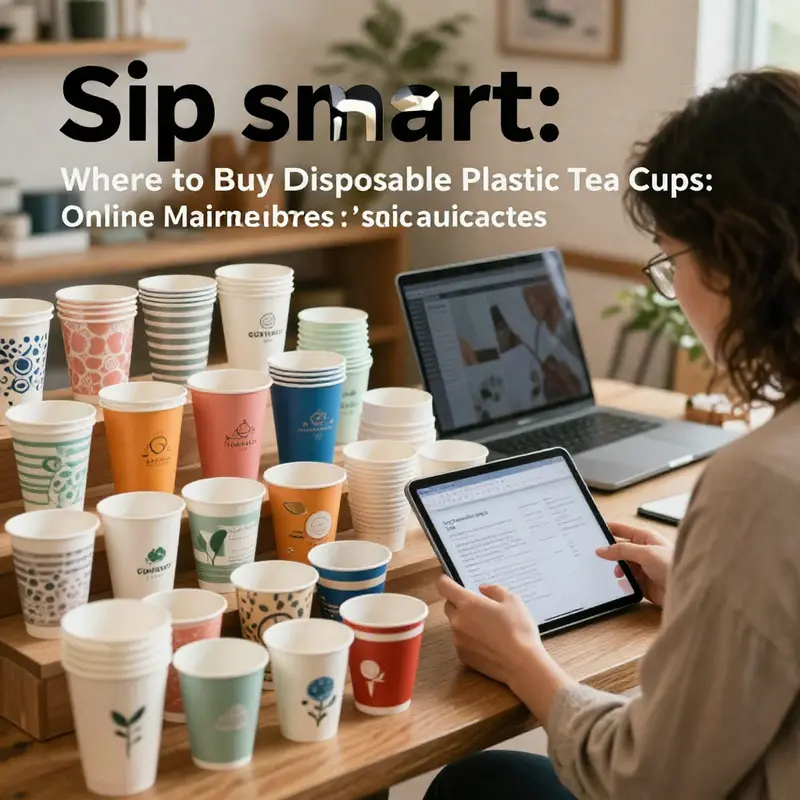
Sourcing disposable plastic tea cups has moved far beyond a quick trip to a local shop. For cafes, caterers, event planners, and even households that host big gatherings, online marketplaces offer a spectrum of options that can be matched to budget, quality standards, and delivery timelines. The journey from search to shipment is not a straight line, but a careful mapping of needs to supplier capabilities, product specs to regulatory requirements, and timing to price. A well-chosen supplier on the right platform can turn a bulk purchase into a reliable workflow rather than a one time transaction. The core decisions revolve around size and shape, material, and the scale of purchase, but the story behind each choice is equally important. In practice, buyers start by clarifying how the cups will be used, whether they will hold hot or cold beverages, and what kind of branding or customization is feasible. They then navigate a layered marketplace landscape where wholesale B2B marketplaces sit alongside consumer platforms. Each channel has a distinct strength, and the smart buyer learns to read the signals each platform provides—clear product listings, supplier verifications, sample policies, and predictable shipping terms.
The online marketplace ecology is surprisingly diverse. For bulk and wholesale needs, a major B2B platform stands out because it aggregates thousands of suppliers, filters by material and size, and often includes a secure transaction framework. A typical catalog on such platforms spans many cup sizes, from compact 12 oz to robust 16 oz variants, with options for different wall thicknesses and shapes. The ability to request custom printing or logos on cups is not an afterthought on these sites; it is a core feature that many buyers rely on for branding at events or in cafes. The same platforms usually provide a range of payment protections, minimum order quantities, and shipping terms that make it possible to forecast costs for a large period ahead. This is not about a single purchase but about reliable supply chains for weeks, months, or even seasons ahead.
Among the most visited corners of the online marketplace world is a global wholesale hub known for its breadth and flexibility. Here you can find disposable plastic tea cups in a variety of sizes and materials, including common choices like PET and PS. Suppliers often present a menu of package configurations, from single box increments to containers that arrive in hundreds or thousands of units. The strength of this channel lies in its ability to connect cafes with factory partners that can offer pricing scales that reflect volume. It is not unusual to see a 90 mm diameter tea cup with a matching lid showcased in bulk, marketed to fit both hot and cold beverages. The alignment of product specs to cafe requirements is aided by the search filters the platform provides, which helps buyers compare comparable products side by side, evaluate the legitimacy of suppliers, and read blocks of customer feedback that reveal the practical realities of deliveries and post purchase support.
Another trusted axis is a well established regional platform that blends wholesale and consumer options. This channel often highlights both food grade and recycled or eco conscious variants, making it possible to align with sustainability goals without sacrificing convenience or cost. For example, a standard tasting cup or coffee cup in a bulk cart may come in a thickened format designed to resist heat better and to maintain clarity for presentation. The ability to request samples before placing a large order is a common and practical feature here. Samples, sometimes available at surprisingly low costs, give buyers a tactile sense of the cup’s sturdiness, the lid’s snugness, and the overall user experience when drinking a hot beverage. The value of samples grows when ordering for events, where a last minute change in guest numbers can alter the short term procurement plan.
For smaller orders or domestic procurement, consumer oriented marketplaces deliver convenience with a different calculus. Platforms that cater to individual buyers or small teams often offer faster shipping, easier returns, and simpler payment flows. The tradeoff is typically higher price per unit compared with bulk wholesale pricing, but the upside is speed and flexibility. When a cafe is planning a pop up or a one off tasting, this channel becomes incredibly practical, balancing the need for quality cups with a tight timeline. The upside here also includes a broader range of accessory options, from lids to sleeves, and the capacity to bundle products in a way that reduces the number of separate shipments.
Size, material, and usability are the touchstones that guide a buyer through the decision process. Tea and coffee cups that win cafes over tend to share three traits: they are food grade, have a reliable seal with lids, and offer a robust wall thickness that works for both hot drinks and iced beverages. PET cups, noted for their clarity and rigidity, often win out where the beverage display matters as much as the drinking experience. Thickened variants are favored for hot drinks since they resist rapid heat transfer and reduce cracking. The shape matters too; many users prefer straight or slightly tapered walls for easier stacking and clean presentation. The lid is not an afterthought. A well designed lid should snap securely to avoid leaks during transport and be compatible with a consistent diameter across cups in the same batch. These practicalities matter because inconsistent lids or poorly fitted rims are a common source of customer complaints that ripple through social media and review platforms.
Delivery dimensions are frequently negotiated in bulk transactions. A typical wholesale path begins with a request for a quote on a specified cup size and material, followed by a consideration of minimum order quantities, lead times, and unit price. The price per piece sometimes hides a more complete picture. Buyers need to account for the cost of lids, if they are not included, and the impact of packaging on overall freight costs. Incoterms and shipping methods influence the final landed cost, especially when orders cross borders. For international shipments, the potential for customs delays adds another layer of planning, and buyers often rely on supplier assurances about food grade compliance and tested performance under heat. The best suppliers will offer a Trade Assurance or similar program that helps secure transactions and reduces the risk of partial shipments or damaged goods upon arrival. These protections, combined with the supplier’s stated production capacity and current stock levels, give buyers confidence that a project timeline will be met, even when demand spikes from a busy season.
Custom branding emerges as a natural extension of buying cups online. Several platforms have built in capabilities to support logo printing and color customization. The choices here can significantly influence the total cost and the minimum order quantities. A major complication, however, is ensuring that branding works across the full range of products that a cafe may choose to stock. If the business lineup includes both clear PET cups and more opaque or colored cups, the printer or producer must be able to deliver consistent print quality across materials. The logistics of branding also require careful planning around the artwork approval process, the lead times for production, and the potential need for color matching. In practice, many buyers place orders featuring a basic cup with a standard lid and then layer in branded options for special events. This approach helps manage the risk of misalignment between the branding art and the cup’s silhouette while allowing marketing teams to test how branding performs with real customers. For readers exploring branded options, a related example demonstrates how an eco friendly, printed logo paper cup page presents a complementary route to see what branding looks like on cups in another material family. If you want to explore that option, you can visit an example page that discusses eco friendly printed logo paper cups and their branding potential. This reference can provide inspiration for how branding on disposables can harmonize with a cafe or event’s overall design language. eco-friendly printed-logo paper cup page.
Quality and safety considerations are not incidental. When buyers compare suppliers, they often look for clear documentation of food grade standards, the use of safe polymers, and the presence of third party testing or certifications. Clear product photography helps in assessing wall thickness and finish, but samples are essential for verifying resistance to heat and condensation. Buyers who request samples frequently discover subtle differences in cup rigidity, seal integrity around the lid, and even the feel of the rim. A well managed sourcing process includes a sample phase, a short pilot run when possible, and a verification checklist that aligns with the cafe or event’s workflow. Because big orders can take weeks to produce, a practical approach is to plan for a small pilot with a defined acceptance criteria before committing to a full run.
The journey toward a smooth purchasing experience inevitably touches on the practicalities of payment and logistics. On major wholesale platforms, transactions are commonly protected through escrow or trade guarantee programs that protect both sides. This is especially valuable when the order involves custom branding, as artwork is usually submitted digitally and finalized only after client approval. Buyers should also be mindful of the currency in which the transaction is conducted and the potential impact of exchange rate fluctuations on final cost. The logistics piece includes choosing a shipping method that aligns with the event schedule, bundling cups with lids and packaging in a way that minimizes transit damage, and planning storage for the incoming stock. In addition to delivery speed, buyers should consider whether the cups need to be shipped with ready to use lids or whether lids are a separate component that may be delayed. These details, though technical, determine whether a supply line remains reliable during a busy period when every day counts.
If you are new to online sourcing, a structured approach reduces the risk of ending up with mismatched products or slow suppliers. Start with a clearly written spec sheet that captures the essential attributes: cup diameter, wall thickness, material, lid compatibility, temperature tolerance, print options if branding is desired, and packaging configuration. Then search across platforms, compare a handful of shortlisted suppliers, and request formal quotes that include unit price, MOQ, lead time, and shipping terms. Ask for samples and test the products in the context they will be used. Contrast the results across suppliers to build a decision matrix that weighs price against risk and delivery reliability. An often overlooked dimension is after sales support. A responsive supplier who can handle inquiries quickly and provide replacement parts or additional lids without friction can make a big difference in ongoing operations.
As you move through the sourcing process, you may encounter a temptation to anchor on a single channel because of price or convenience. Yet the most resilient procurement approach often blends multiple channels. A cafe might secure a core line of cups from a wholesale platform while tapping consumer marketplaces for seasonal or event based requirements, where the bulk order quantity is smaller or where the need for rapid delivery is higher. In practice, the blend looks like a core supplier agreement for regular stock and a secondary, flexible channel for short term spikes or test campaigns. This hybrid approach helps stabilize costs while preserving the ability to adapt to changing guest demand, seasonal menus, or special events.
Understanding the cross section of platforms also means recognizing the role of regional and international logistics. Some platforms emphasize fast local delivery within a country or a region, reducing transit time and the risk of damage from long journeys. Others emphasize price competition and vast supplier networks, offering a broader range of materials and customization options but sometimes at the cost of longer lead times or more complicated customs processes. A buyer who maps the timeline of events or cafe rotations against supplier capabilities can build a procurement cadence that matches business needs. The result is not a single best place to buy, but a layered sourcing strategy that leverages the strengths of each channel while staying mindful of quality and reliability.
For readers who want a concrete starting point, the top wholesale resource features a direct listing for a 90 mm disposable plastic tea cup with lid made from food grade PET. This kind of listing illustrates the typical packaging strategy for cafes and catering lines that rely on consistent, stackable, easy to handle units in bulk. The strong points of this example are its clear specification, bulk availability, and the inclusion of a lid that fits securely, reducing spill risk during service and transport. While the exact model you choose may differ, the underlying principle remains the same: clarity in product specs, reliable packaging, and predictable delivery are the foundation of a successful online sourcing experience.
From a practical standpoint, the question often comes down to how much control you want over the supply chain. If you plan to scale quickly, working with suppliers on a wholesale platform that supports bulk orders and customization can streamline growth. If your needs are more modest or you are testing a new beverage concept, consumer oriented marketplaces can provide the flexibility to iterate on cup design, lid fit, and branding without a long term commitment. Either way, the online marketplace landscape is designed to accommodate both ends of the spectrum, with filters and supplier profiles designed to help you compare apples to apples and make a choice with confidence.
In sum, buying disposable plastic tea cups through online marketplaces is not a matter of picking the cheapest option. It is a structured decision that balances size, material, and tolerance for branding and customization with the realities of lead times, QA, and logistics. The right platform for your business is the one that aligns with your volume needs, your branding ambitions, and the pace of your events. With a clear spec, samples in hand, and a pragmatic approach to supplier evaluation, you can build a sourcing strategy that sustains your operation through peak periods and supports your guests with reliable, high quality cups.
External reference for further exploration of wholesale options is available at a primary supplier listing that showcases a 90 mm PET cup with lid designed for cafes and commercial use. For more details, see this listing: https://www.alibaba.com/product-detail/90mm-Disposable-Plastic-Cup-with-Lid-PET_1600728181469.html
Bulk Cups, Clear Choices: Navigating Wholesale Suppliers for Disposable Plastic Tea Cups
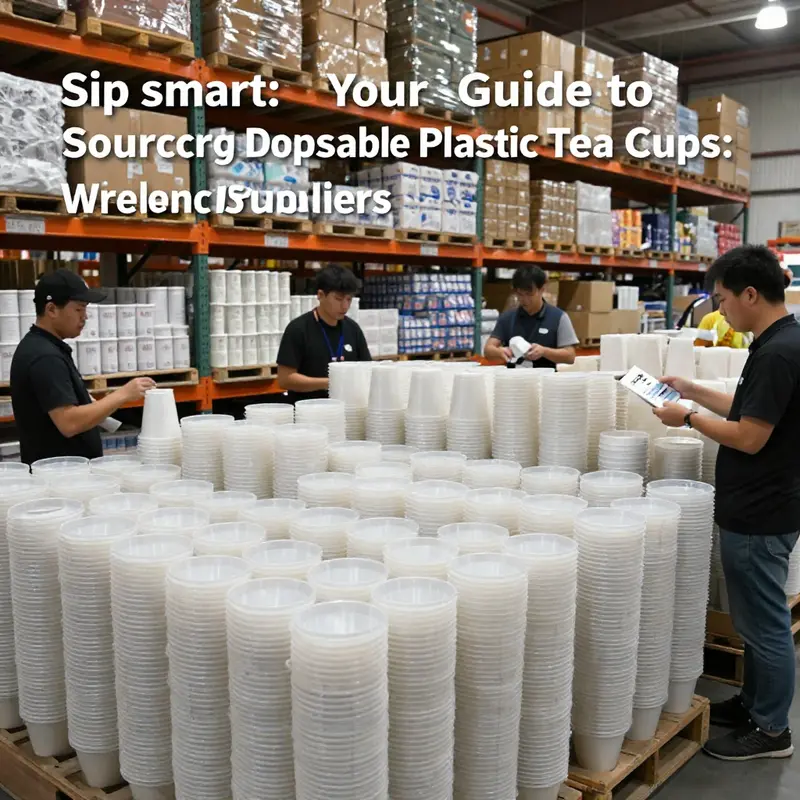
Choosing the right disposable plastic tea cups is more than a matter of price. For cafe owners, event planners, and hospitality managers, the cups you select shape the customer experience as much as the tea inside them. The chapter that follows moves through the landscape of wholesale suppliers with the aim of translating a complex market into a clear path from inquiry to inventory. It treats wholesale sourcing not as a single transaction but as a careful alignment of product specs, supplier credibility, and practical logistics that together determine consistency, cost efficiency, and customer satisfaction over time. The most reliable wholesale routes today are built on platforms that balance breadth of choice with the ability to verify quality at scale. For many buyers, Alibaba.com stands out as a global hub for bulk purchases, where a shopfront mindset meets factory pricing. It is here that a cafe or a catering operation can explore disposable plastic tea cups in a wide variety of sizes and materials, from PET to PS, and with or without lids. The appeal of bulk sourcing from a platform that connects buyers directly to producers is the potential to negotiate customization, such as cup diameter, wall thickness, and even lid design, with pricing that reflects large-volume orders. This model is especially attractive for those preparing for seasonal rushes, large events, or multi-site operations that need reliable supply lines and predictable costs. Yet the wholesale landscape is not monolithic, and savvy buyers branch beyond a single channel to balance speed, reliability, and cost. JD.com, for instance, is a trusted Chinese e-commerce platform known for quality control and fast delivery. It often serves buyers who want a practical, near-term replenishment plan: food-grade cups, thicker wall options for hot beverages, and straightforward packaging configurations that simplify restocking and inventory management. This is particularly valuable when a cafe needs a steady flow of cups and lids with minimal risk of inconsistent product quality, a risk that can crop up in long-distance sourcing if a supplier lacks robust quality assurance. The advantage here is the convergence of reliability, speed, and support, with product listings that frequently emphasize user-friendly features like secure lid compatibility, leak resistance, and a balance between sturdiness and weight. For smaller orders or experimental pilots, Amazon.com and other consumer marketplaces offer a different set of benefits: bulk packs, easy return policies, and the ability to trial a few different cup styles before committing to a larger buy. The 350ml transparent cups with lids, for example, can be practical for small events or tastings, and the option to purchase in multiple packaging configurations helps teams manage stock with minimal frictions. The broader message across these channels is that wholesale success hinges less on chasing a single deal than on forging a platform-agnostic plan that aligns your needs with supplier capabilities. A thoughtful buyer will map out the core decision points before reaching out to suppliers. First, size and material are critical. Tea cup consumers expect clarity and visual appeal, but they also demand performance. PET cups with lids deliver a clear, sturdy eating and drinking experience, and many hot beverages can be accommodated with the right wall thickness and a heat-tolerant design. PS cups often come with thicker walls that resist heat and offer a satisfactory tactile feel for customers who pick up a freshly poured tea. The diameter, measured in millimeters, guides both capacity and the compatibility with lids and sleeve designs, while the wall thickness correlates with heat resistance and rigidity. The most common configurations for tea service fall in the 90mm range for a compact, everyday serving, though larger options are frequently available for milk tea or specialty beverages. The choice between a plain, unprinted cup and a customized option is not merely cosmetic. It is a strategic decision that impacts branding, shelf presence, and customer perception. Customization—whether logo application, color accents, or printed messaging—adds a layer of cost but can translate into stronger brand recall and a more cohesive service experience across multiple venues. In a wholesale setting, suppliers typically offer an array of customization pathways, from simple color matching to full-face printing on visible cup surfaces. The trade-off between customization and price is real, particularly for large volumes where minimum order quantities (MOQs) and setup fees may apply. To navigate this, buyers should ask suppliers to break down the cost drivers: mold or plate charges, print runs, color fidelity, and the incremental cost of adding lids or sleeves. The practical implications of these decisions unfold in the warehouse and the storefront. A dependable supplier will provide clear documentation on food-grade compliance, which covers materials used in PET and PS cups, as well as any coatings that might contact beverages and flavors. Food-grade status reduces the risk of off-tastes or contamination and aligns with regulatory expectations in many markets. It also informs the sourcing narrative you bring to customers who value safety, cleanliness, and consistency as they reuse or recycle. The wholesale route also demands clarity in logistics and lead times. Bulk orders naturally require planning; manufacturers and distributors must be able to forecast demand, manage stock, and commit to reliable delivery windows. Smart buyers inquire about lead times, production capacity, minimums for reorders, and the frequency with which supply levels are refreshed. An experienced supplier will offer practical assurances on lead times and will emphasize safety stock options, which can be critical when events or seasonal surges disrupt normal demand patterns. Payment protection and transaction security are equally important. Platforms that support secure payments and provide buyer protection features enable smaller operators to place orders with confidence, while larger buyers often leverage established credit terms for ongoing procurement. This dimension of wholesale sourcing is less about a single purchase and more about building a steady supply relationship that reduces the administrative load and mitigates stockouts. The conversation around reliability naturally flows into quality assurance. Buyers should request samples before committing to a large purchase and should assess samples for several attributes: lid fit, seal integrity, leakage resistance, and the ability to withstand the temperature range typical for the day’s beverages. A well-run sampling process also evaluates the supplier’s responsiveness. How quickly do they provide samples? Do the samples reflect the advertised materials and tolerances? Are there variations across lots, and how transparently does the supplier communicate those differences? The goal is to build a supplier profile that extends beyond price and delivery speed to include trust, consistency, and open communication. In practice, this means establishing a clear framework for evaluating suppliers: a rubric that prioritizes material safety, packaging integrity, customization options, MOQs, and after-sales support. Yet the reality of wholesale sourcing is rarely a linear path. Buyers often balance a primary supplier with backup options to hedge against production hiccups, shipping delays, or regional disruptions. A practical approach is to diversify across a primary factory for bulk plastic cups and at least one regional distributor who can shoulder last-minute orders or emergency replenishments. Such diversification also supports competitive pricing by leveraging multiple negotiation opportunities, including alternate packaging configurations, different wall thickness levels, and a wider range of available lids. In the course of weaving these considerations into a coherent sourcing strategy, it helps to keep an eye on sustainability and recycling opportunities. The market has seen a growing emphasis on eco-friendly and recyclable solutions, with customers increasingly asking for clear end-of-life scenarios for single-use serviceware. While plastic cups have long been part of the fast-food and catering toolkit, there is a steady push toward materials that minimize environmental impact or offer better recycling compatibility. Buyers interested in this trajectory may explore options such as cups manufactured from recyclable PET that support efficient recycling streams, or thicker-walled variants designed for durability while still enabling recycling protocols. For some buyers, the most responsible choice may involve bridging plastic with alternative options, or at least offering a mix of cup types to suit different segments of the customer base. The wholesale landscape accommodates this complexity by allowing buyers to consolidate orders across multiple product families without sacrificing the efficiency gains of bulk purchasing. In this way, a café can source standard 90mm PET tea cups with lids for daily service while reserving a portion of the order for thicker-walled or specially printed cups for seasonal menus, promotional events, or themed gatherings. The complexity of wholesale sourcing does not end with the product itself; it extends into how purchase decisions align with the broader operations of a business. Inventory management becomes a critical discipline when dealing with disposable serviceware. Forecasting demand for cups requires looking at seasonal trends, events calendars, and daily traffic patterns. The better the forecast, the more stable the procurement cycle becomes, reducing both stockouts and overstock, which translate into waste and cost. A well-structured ordering process includes establishing reorder points, minimum and maximum stock levels, and automatic reordering rules, all of which can be integrated into procurement software or even a carefully managed spreadsheet. In addition, a robust supplier relationship supports forecasting and contingency planning. When suppliers provide regular production updates or proactive notification about changes in lead times, buyers can adjust orders with less disruption and align procurement with events and promotions. In practice, this approach translates into a more predictable supply chain: cups arrive in time for weekend launches, holiday menus, and charity events, while the broader beverage program remains aligned with service capacity and kitchen throughput. It also brings an element of strategic control to pricing. Wholesale sourcing, when done well, helps stabilize costs in the face of fluctuating raw material prices, currency shifts, and shipping rate volatility. Buyers who invest in supplier relationships and thorough due diligence can negotiate better unit costs, favorable shipping terms, and more flexible payment arrangements, creating a buffer against price surprises and ensuring margins stay intact even as demand ebbs and flows. There is a discernible pattern in how successful buyers approach this market. They blend the reliability of established wholesale platforms with targeted supplier exploration to capture the best balance of price, quality, and service. They assemble a portfolio of suppliers who can cover not only routine needs but also special requests, from custom lid designs to bulk orders that require precise packaging counts and labeling. They maintain meticulous records of product specifications, supplier communications, and quality test results to inform future purchases and to ensure that each restock reinforces the standard customers expect. It is this steady, deliberate approach that converts wholesale sourcing from a series of isolated purchases into a sustainable strategy that supports growth, whether the business is a single, bustling cafe or a multi-site operation. As the market continues to evolve, buyers will encounter new materials, innovative packaging formats, and smarter logistics options. Yet the core principles endure: clarity on cup specifications, verified supplier credibility, a disciplined sampling and testing process, robust lead-time management, and a thoughtful approach to cost and branding. For readers who want a concrete starting point, it is wise to begin by surveying reputable wholesale channels that align with your volume needs and delivery expectations. Round out that survey with a few targeted suppliers who offer samples and a transparent path to scale. Keep your internal requirements—temperature tolerance, lid compatibility, and printing options—top of mind as you compare options. In the end, the goal is straightforward: to secure disposable plastic tea cups that perform reliably in daily service, reflect your brand with a professional touch, and fit seamlessly into a procurement system that supports smooth operations and predictable costs. For readers seeking a practical anchor to this broader landscape, exploring a direct factory listing with clear bulk pricing and packaging details can be a productive next step. The conversation can extend to questions about customization, sample policies, and how the supplier handles variations across production lots. The broader point remains constant: wholesale sourcing is a strategic tool for hospitality operations when pursued with intentional planning and disciplined supplier evaluation. Internal link note: for readers interested in related, eco-conscious cup options and printable branding ideas, this resource provides a useful case study on paper cup customization and packaging design, illustrating how printed cues can reinforce brand identity even in cup-centric service models. eco-friendly printed logo paper cups with lids. External resource: for direct factory sourcing with bulk pricing and customization possibilities, see the detailed listing that showcases a 90mm disposable plastic cup with lid made from food-grade PET and available in bulk for commercial use. https://www.alibaba.com/product-detail/90mm-Disposable-Plastic-Cup-with-Lid-PET_1600728181469.html
Sourcing Disposable Plastic Tea Cups: A Practical Guide for Smart, Budget-Conscious Purchases
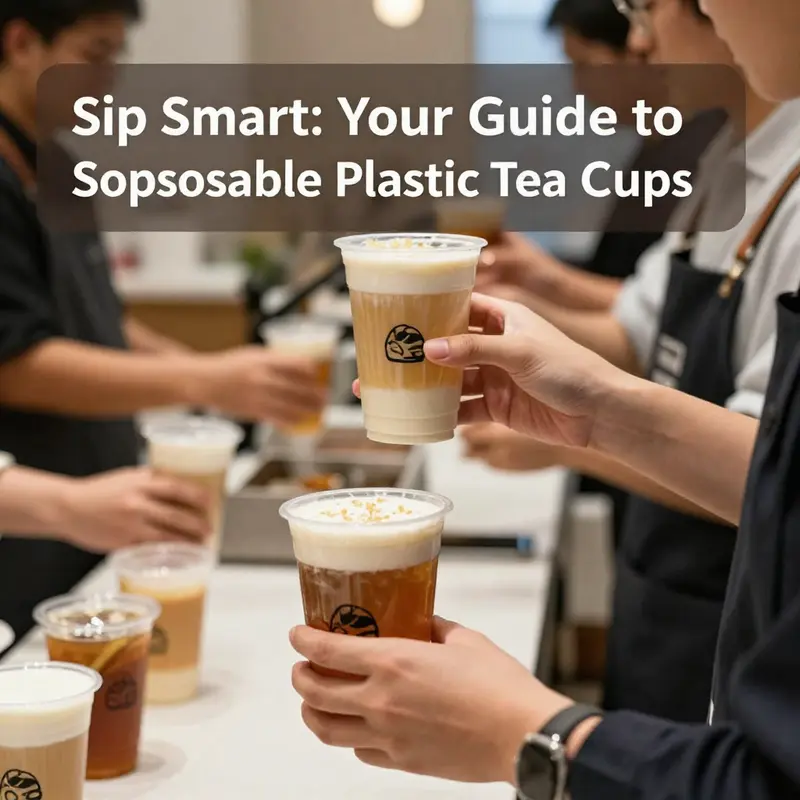
Sourcing disposable plastic tea cups for a café, tea shop, or event business is about more than chasing the lowest price. It is about orchestrating a reliable, scalable supply chain that protects beverage quality, satisfies customers, and aligns with your brand. The buying landscape today spans direct factory contacts, wholesale platforms, and consumer marketplaces, each with its own strengths and trade-offs. The challenge is to cut through the noise and assemble a workflow that matches your volumes, service model, and values.
The first decision centers on form and function. Disposable plastic tea cups come in several material families, with PET and PS being the most common for clear, sturdy cups that hold up to both hot and cold beverages. The choice between these materials is not merely about look; it is about how the cup performs under serving conditions, how it handles temperature, and how it shows the drink to the customer. PET cups tend to offer good clarity and reliable seal when paired with lids, making them practical for bubble tea and to-go beverages. PS cups, while often lighter and less expensive, may require careful lid design to maintain leak resistance, especially for hot teas. If branding matters, a clear or tinted PET cup with compatible lids can elevate perception and support a cohesive on-shelf story. If eco claims or compostable alternatives matter, you may encounter plant-based or recycled content variants. These options come with trade-offs in price, strength, or shelf life, and the sourcing path can be more complex. The chain of decisions—from material selection to lid compatibility to lid color and branding—affects cost and lead time. A cup is not just a container; it is the first tactile sign of your brand and the last impression before the drink reaches the customer.
The market today splits into routes for acquiring cups. If order volume is large enough to justify direct engagement with manufacturers, a major wholesale platform that aggregates factory suppliers can be efficient for bulk pricing, consistency, and customization. The benefits are predictable pricing at scale, branding options, and the ability to negotiate terms that fit cash flow. The price curve on bulk platforms typically steps down with volume, but real value comes from specifying dimensions, lid integration, and branding up front. Lead times, production scheduling, and quality control are important considerations when buying direct from factories. For a new program or seasonal push, a stable supplier who can absorb some demand variance can be compelling for restaurant groups and event outfits.
For smaller orders or faster fulfillment, consumer marketplaces and regional portals offer speed and simplicity. They excel at rapid shipping and accessible returns, reducing cash tied up in unused inventory. They are also often ideal for trial runs—testing sizes, lid configurations, and branding approaches before a longer-term commitment. The trade-off is higher unit costs and more limited customization, but the ability to source in smaller increments, restock quickly, and adjust orders during spikes is attractive for cafés experimenting with new formats.
A growing portion of the market highlights sustainability, which is not only marketing but a practical constraint for many buyers. Eco-friendly disposables—whether recyclable plastics, post-consumer recycled content, or compostable materials—present a compelling narrative for customers who value responsible sourcing. Costs can be higher and performance characteristics may vary with design and material. For hot beverages, sealing performance of the lid and the cup’s integrity during transport become more critical with thinner or differently engineered plastics or fibers. The sustainability choice is a balance of environmental impact, performance, and price. The smartest buyers blend a hybrid approach: use standard PET cups for high-volume, price-sensitive lines, and reserve eco-friendly options for premium drinks or limited-time menus where branding matters most. This preserves margin while enabling a credible sustainability story.
In practice, the best approach is to align supplier capabilities with your service model rather than chasing the cheapest option in isolation. Begin with a clear forecast that translates into monthly volumes by size and beverage type, including expected peak periods. The forecast becomes the compass for which suppliers to approach and how to negotiate terms. If you require year-round demand, a bulk supplier with large MOQs and steady lead times will usually serve you best. The assurances gained—stable supply, predictable pricing, and the ability to customize—often outweigh small per-unit savings from stitching together multiple smaller orders. If your business is more variable, with events, pop-ups, or seasonal spikes, a multi-channel approach can be wiser. Maintain core stock with a reliable supplier and supplement with consumer marketplaces for ad hoc purchases.
A central point is quality assurance. The cup must meet food-safety standards, perform under transport, and seal effectively with lids. Best practice is to request samples before committing to a full-order, verify material is food-grade, and confirm packaging and handling protect the cup during shipping. Verify the supplier offers robust packaging and that lids are compatible. Leaks and fit issues erode the guest experience more quickly than a small per-unit cost; a modest investment in samples and a few trial units is prudent to prevent costly returns after service begins.
Customization stands as a powerful lever. If branding is important, you can explore imprinting logos, colors, or messaging on cups or lids. Options typically include color printing, lid style variations, and branding on the body or lid. The branding payoff is real: a well-designed cup becomes a moving advertisement as customers carry it. The practical limit is higher MOQs or setup fees for high-color fidelity and large print areas. A staged approach—test a limited color palette on a small batch, collect feedback, then scale up—helps protect cash flow and brand reputation.
To broaden sourcing horizons while staying aligned with a core supplier base, look for platforms with robust search filters, clear product details, and verified seller credentials. Favor platforms with consistent descriptions, photos showing diameter and lid fit, and documentation like food-safety certifications or material disclosures. Positive reviews and on-time delivery matter. Consider requesting a signed sample agreement or a small initial order with staged reorders to test performance.
If you explore alternatives to plastic cups for certain lines, you may encounter disposable options in the same marketplace family that shift materials or formats. Branching into paper or compostable cups is not a rejection of plastic but a strategic expansion that can support marketing goals and sustainability narratives. For example, a coffee program might maintain a core supply of plastic cups while introducing eco-friendly paper options for premium lines or seasonal events. The key is to ensure diversification fits your procurement calendar and that cross-functional teams are aligned on branding, pricing, and customer expectations.
In the practical moment of placing an order, negotiation is about total landed cost—unit price, shipping, lead times, and potential customization or return fees. Consider storage logistics and the shelf life of the cups, and plan for restocks if demand spikes occur. A well-structured procurement process looks like: forecast; identify one or two primary suppliers for core sizes; establish MOQs and lead times; request samples and verify certifications; negotiate terms; and place a small initial order to validate performance. If everything aligns, scale up with a longer-term contract or standing purchase agreement that locks in favorable terms and ensures supply continuity.
Within this deliberate, multi-channel approach, view the supplier landscape through capabilities and risk. Some platforms excel at bulk purchases with direct factory pricing and customization; others shine on speed and reliability for pop-ups; others emphasize sustainability and responsibility. Your choice will reflect price, service model, and customer expectations. The stronger your procurement system—the more you can forecast, test, and scale—the better you can protect margins and deliver a consistently positive guest experience.
As you navigate the space, consider an internal hyperlink to a resource that expands options for disposables beyond plastic. This can remind readers that take-away drinkware offers versatile solutions for branding, sustainability, and guest comfort, and that plastic is part of a broader procurement strategy, not a one-off choice.
To wrap, practical steps for the next purchasing cycle: finalize the quarterly forecast with sizes and mix; identify a primary supplier and at least one secondary channel; request samples of representative cup sizes and lids, test with your team, and collect feedback on grip, heat transfer, sealing, and perceived quality; explore branding options and the feasibility of logo printing or lid branding if aligned with strategy; decide on eco-friendly alternatives and how to introduce them to the menu; finalize terms, and establish a process for reorders that preserves inventory without waste or stockouts.
The discipline of careful procurement is about elevating the guest experience—when a cup fits securely, keeps beverages at the right temperature, presents branding cleanly, and travels without leaks, it supports reliable service and a positive impression. The landscape will continue to evolve as new materials and packaging innovations emerge; stay informed, test options in a low-risk way, and scale thoughtfully to manage growth and seasonality. By forecasting, testing, branding thoughtfully, and monitoring performance, you can build a resilient foundation for consistent service, satisfied customers, and sustainable growth.
External context can inform your decision, but the best value comes from balancing price, performance, and brand integrity for your business.
Final thoughts
Choosing disposable plastic tea cups is not just about filling a need; it’s about selecting the right product that meets the demands of your clientele while aligning with your brand’s image. By understanding where to source these cups—coupled with the best practices in purchasing and usage—you prepare your business for success. Whether shopping online or dealing directly with wholesale suppliers, being informed enables you to make decisions that enhance customer experience and streamline operations.