
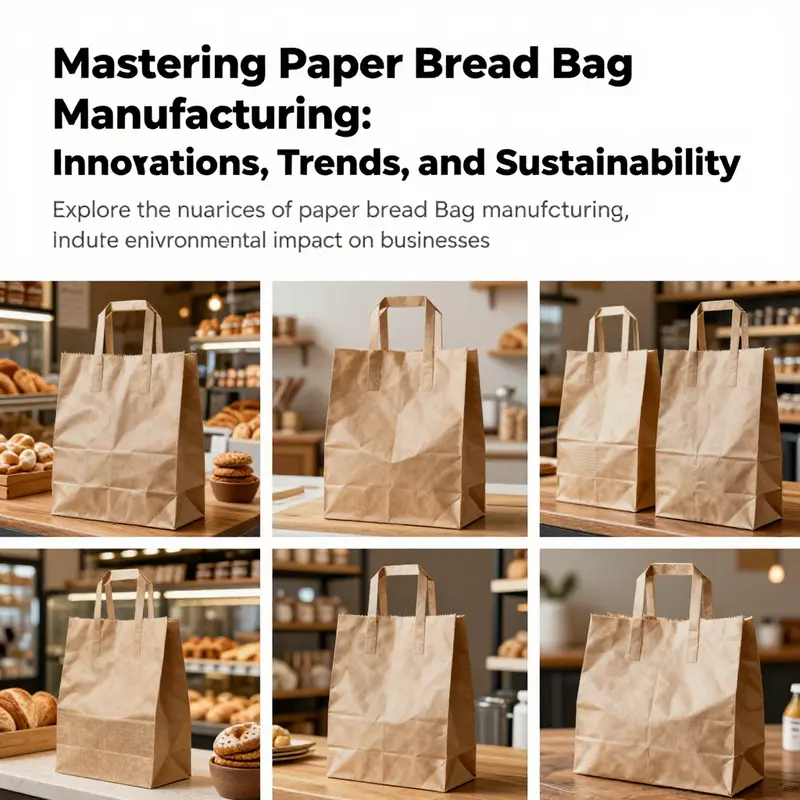
The manufacturing of paper bread bags plays a significant role in the baking and food packaging industry, addressing both functional needs and consumer preferences. With a growing shift towards sustainable packaging solutions, understanding the manufacturing processes, market dynamics, and environmental considerations surrounding paper bread bags is essential for business owners seeking to improve their operational efficiencies and brand image. In this comprehensive exploration, we will delve into the intricate manufacturing processes and technologies employed by leading manufacturers, assess current market trends that influence the demand for paper bread bags, and highlight the societal and environmental responsibilities involved in production. Each chapter will provide valuable insights that are critical for navigating this competitive industry effectively.
Revolutionizing Bread Packaging: The Advanced Manufacturing Techniques of Paper Bread Bags
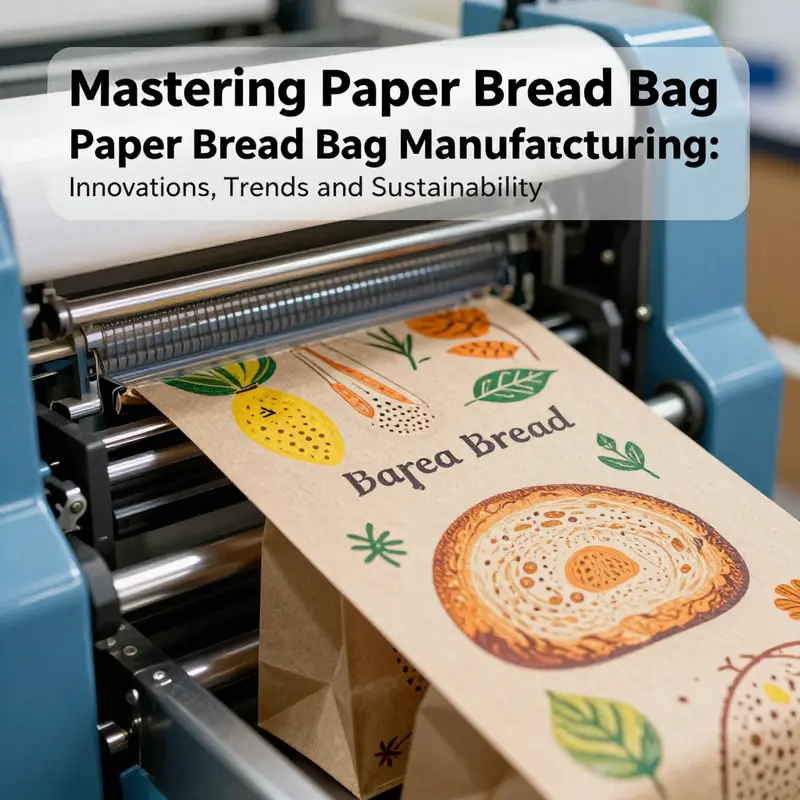
The modern era of paper bread bag manufacturing has witnessed significant advancements, driven by the need for efficiency and sustainability in packaging solutions. The production of these essential bakery products involves a remarkable interplay of automated machinery, innovative manufacturing techniques, and a keen focus on eco-friendly practices. Companies like Guangdong Shunfa Printing Co., Ltd. exemplify the evolution of paper bag production, with their specialized processes having transformed raw materials into fully functional, high-quality packaging that not only preserves the freshness of bread but also meets environmentally conscious consumer demands.
At the core of this transformation lies the automatic paper bag making machine, a sophisticated piece of equipment that has revolutionized how paper bags are manufactured. This machine effectively consolidates several critical manufacturing steps into a streamlined process, significantly reducing labor costs while simultaneously enhancing product quality. Each automatic paper bag making machine is designed to perform a series of functions sequentially, creating efficient workflows that ensure the consistent output of durable and aesthetically pleasing bags.
The initial step involves creating handles, which are vital for consumer convenience. The machine produces handles—often referred to colloquially as ‘handlins’—that provide usability for the end customer. Once the handles are crafted, the machine applies adhesive with precision to ensure that they are firmly attached to the bag’s body. This meticulous handling of materials minimizes errors and reinforces the integrity of the bags, key for products that will carry baked goods.
Shaping the cylindrical body of the bag follows next. This component of the manufacturing process is crucial for creating a fit that is both functional and durable. The automatic paper bag making machine seamlessly forms the body, accommodating various bag styles, including the popular square bottom bags, which are essential for packaging bread products like loaves and rolls. The machine then cuts the paper to the desired length, tailoring each product to specific market requirements. Following this, the bottom of the bag is shaped, designed to allow it to stand upright when filled, a crucial feature for display and accessibility in retail environments.
For manufacturers achieving intricate designs with complex structures, additional technologies can be integrated into the bag-making machines. Smart packaging machines, developed by leading manufacturers like Zhejiang Rongjian Machinery, complement these advanced manufacturing processes. These machines are engineered to meet international standards, capable of processing both plain and printed roll stock with exceptional efficiency. Notably, they perform multiple operations in a continuous line, which includes applying edge glue, forming the tube of the bag, cutting it to size, applying bottom adhesive, and shaping the finished product. Such efficiency not only enhances production capabilities but also meets the growing consumer demand for diverse bag designs, such as those that cater to artisanal bread styles. Furthermore, these machines enhance adaptability, allowing manufacturers to switch swiftly between different types of products in response to evolving market trends.
As the bread packaging industry advances, sustainability becomes a central consideration. Innovations in manufacturing technology also extend to environmental consciousness, with many companies focusing on reducing waste and promoting recycling. Modern bag-making equipment is often designed to utilize recyclable or biodegradable paper materials, appealing to a consumer base increasingly concerned about ecological impact. With the rise of eco-friendly packaging, production methodologies that minimize material waste through optimized cutting and efficient handling have become integral in maintaining a balance between performance and sustainability within the food packaging industry.
Quality assurance processes are paramount in ensuring that the paper bags meet stringent industry standards. Leading manufacturers implement rigorous testing protocols at various stages of production. Guangdong Shunfa Printing Co., Ltd. exemplifies this commitment by offering potential buyers free samples, which not only showcase their products but also bolster client confidence. A notable accolade of Shunfa is its 5.0 rating as a Diamond Member and its recognition as an Audited Supplier on Made-in-China.com, further establishing its reputation as a trusted entity in the competitive landscape of packaging solutions.
Consequently, technological advancements in bag production machines play a critical role in shaping the future of paper bread packaging, evolving in response to the dual pressures of operational efficiency and consumer preferences. As manufacturers enhance their capability to produce superior products rapidly, the evolution of paper bread bags illustrates a significant paradigm shift—not only towards meeting practical needs but also addressing the demands for sustainability and quality that consumers expect today. Manufacturers keen on retaining a competitive edge must continue to innovate and adapt, integrating the latest technologies into their production processes while maintaining a strong commitment to quality and customer satisfaction.
For manufacturers seeking to explore the specifics of machinery that can elevate their production capabilities, detailed resources such as those from Zhejiang Rongjian Machinery are invaluable. This wealth of information allows for informed decisions and successful implementations of the latest manufacturing technologies into operational frameworks, ensuring that companies not only meet but exceed industry standards.
The Rising Tide of Eco-Friendly Bread Packaging: Market Trends and Economic Implications
The evolution of consumer preferences has ushered in transformative changes across various industries, and the paper bread bag sector stands at the forefront of this shift. In recent years, the demand for sustainable and biodegradable packaging solutions has surged, driven by an increasingly environmentally-conscious consumer base. This chapter delves into the burgeoning market trends surrounding paper bread bags, examining why companies like Guangdong Shunfa Printing Co., Ltd. are poised to thrive in this rapidly changing landscape.
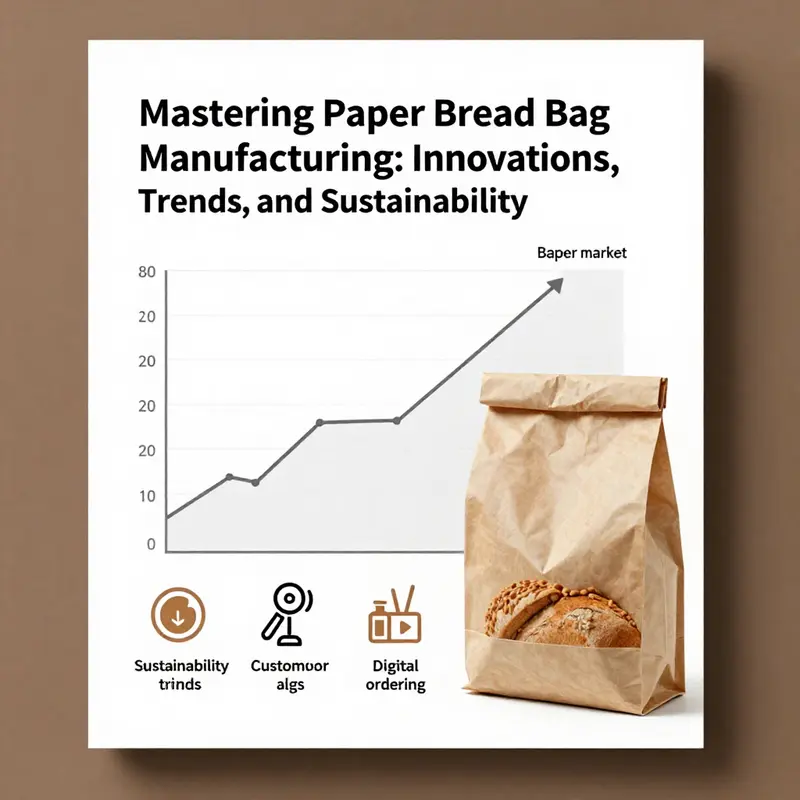
As the global pulse continues to trend towards greener alternatives, market research forecasts that the global paper bag market is on a dramatic upward trajectory, projected to hit USD 8.4 billion by the year 2032. This significant expansion is fueled by a robust awareness of environmental issues and the encouraging legislative frameworks that promote the use of biodegradable materials. Within this framework, paper bread bags have emerged as vital players in both the food service and retail sectors. Their inherent recyclability and compostability make them attractive alternatives to conventional plastic bags, which are now increasingly viewed as environmental liabilities.
Indeed, the Environmental Protection Agency’s findings have stimulated a wave of consumer sentiment favoring paper over plastic, particularly in regions where regulations and taxes on plastic packaging are being enforced. Consequently, the economic landscape surrounding bread bag manufacturers has shifted favorably. Those committed to adopting innovative practices and sustainable sourcing of raw materials are not just keeping pace with industry changes; they are positioning themselves to seize the market’s burgeoning demand and outpace more traditional competitors.
A notable aspect of this growth can be attributed to the advances in material science that address consumer needs for durability and moisture resistance while maintaining ecological integrity. Specialty coatings that bolster the performance of paper bags without sacrificing their environmental credentials are becoming increasingly prominent. As a result, manufacturers can now produce high-quality bread bags that retain freshness significantly longer, catering to an ever-expanding consumer base that prioritizes product quality alongside sustainability.
Furthermore, the economic advantages for paper bread bag manufacturers can not be overstated. Companies that invest in cutting-edge production technologies and sustainable practices enjoy competitive advantages; they not only comply with green regulations but often exceed them. This approach resonates strongly with today’s consumers who are eager to support brands that align with their values. Rising costs and taxes associated with plastic packaging are pushing businesses toward adopting paper solutions at an accelerated pace, creating a compounded effect that enhances profitability and demand for paper-based packaging.
For companies like Guangdong Shunfa Printing Co., Ltd., which has honed its manufacturing processes in sustainable packaging since its inception in 1993, this trend signifies a culmination of decades of commitment to environmental stewardship. Their expertise in producing a variety of kraft paper bread bags, including those with windows and square bottom designs, has positioned them as frontrunners in the industry. The use of advanced gravure printing techniques and high-speed intaglio and flexographic printing lines speaks to their dedication to quality assurance and operational efficiency. By providing prospective clients with free samples, they generate interest while showcasing their product’s tangible benefits, further establishing their brand as a trustworthy partner in the ever-competitive market landscape.
The paper bread packaging sector not only contributes to the environmental cause but promotes a circular economy, where the focus is on renewability and sustainability. Such transitions benefit society at multiple levels—from the reduction of plastic waste in landfills to the promotion of recycling initiatives that invigorate local economies. This wide-ranging impact only fuels further interest from investors and businesses considering entry into this lucrative market.
As consumer awareness continues to expand, it becomes increasingly essential for manufacturers to stay ahead of the curve through innovation and sustainable practices. Those that do will not only survive but thrive in the new ecosystem, carving out significant market share while promoting eco-friendly solutions that resonate with modern consumers.
In a world that is striving towards sustainability, the economic benefits of transitioning to paper over plastic continue to build momentum. The future of packaging lies heavily in the hands of those who embrace ecological principles. The trajectory of the bread bag market reflects a larger trend applicable across various packaging sectors, serving as a testament to the pressing demand for sustainable solutions.
This evolving landscape holds a mirror to the tireless efforts of manufacturers like Guangdong Shunfa Printing Co., Ltd., who are not merely responding to market changes but actively shaping them. As they invest in innovative production technologies and establish sustainable practices, these manufacturers will play a crucial role in steering the future of packaging towards a more sustainable and economically viable direction.
Sustainable Practices and Social Responsibility in Paper Bread Bag Manufacturing
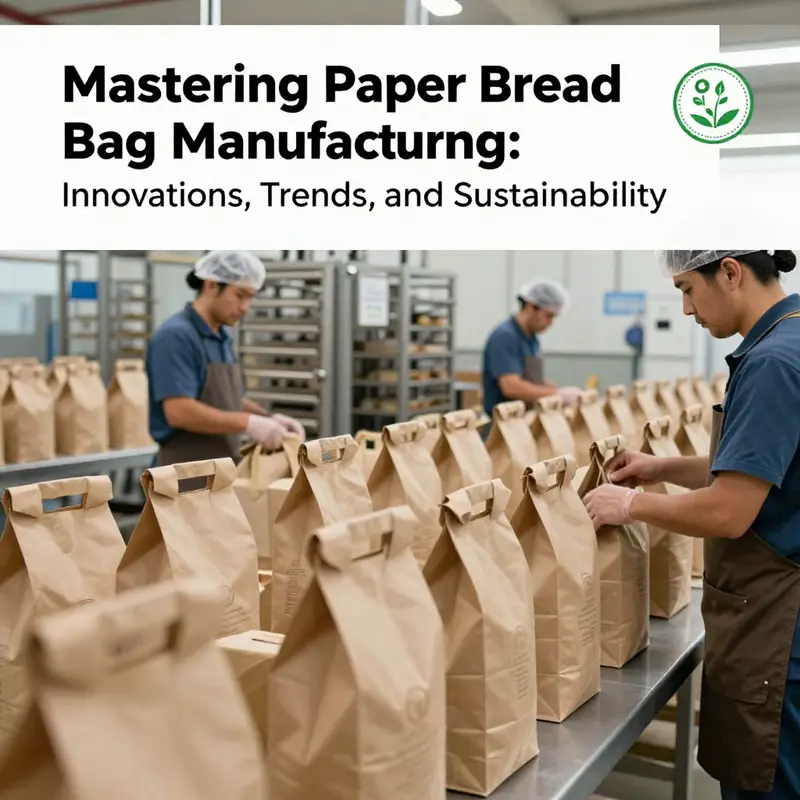
As the world increasingly prioritizes sustainability and social accountability, paper bread bag manufacturers face mounting pressures to align with environmental and social responsibilities. The shift towards greener practices is no longer just a trend but a crucial aspect of operational integrity and market competitiveness. For companies engaged in the production of paper bread bags, this accountability manifests through strategic decisions regarding materials, manufacturing processes, and the ethical treatment of workers throughout their supply chains.
From an environmental perspective, manufacturers must prioritize the renewability, biodegradability, and overall carbon footprint of their packaging materials. One particularly effective material that has gained favor in the industry is kraft paper, often made from recycled fibers or sourced from sustainably managed forests. Utilizing such materials not only reduces the demand for virgin timber but also significantly diminishes energy consumption and greenhouse gas emissions during production. By adopting kraft paper as the main raw material, businesses position themselves as eco-conscious leaders in packaging innovation.
Moreover, environmentally friendly practices extend beyond raw materials. The printing processes used to brand these paper bags are also critical. Manufacturers should employ non-toxic inks and adhesives, as these choices help prevent harmful substances from contaminating the environment and food products. This strategic move not only satisfies food safety standards but contributes to a more sustainable lifecycle for the products being packaged. Such rigorous adherence to quality standards reinforces the industry’s commitment to public health and environmental stewardship.
The demand for “green packaging” clearly resonates with consumers, creating a significant incentive for manufacturers to rethink their operational tactics. Research indicates that an individual slice of wasted bread has a carbon footprint of approximately 70 grams of carbon dioxide. This statistic highlights the critical necessity of reducing food waste, and effective packaging plays a vital role in achieving this goal. High-quality packaging that preserves freshness is not merely a convenience but a necessity for combating waste in the food supply chain. Therefore, manufacturers are increasingly developing paper bags with exceptional moisture and grease resistance, employing polymer or bio-based coatings that prolong shelf life. This innovation serves a dual purpose: it maintains product integrity while indirectly minimizing environmental impact by reducing spoilage and waste.
Furthermore, the societal aspects of manufacturing practices cannot be overlooked. Manufacturers must ensure transparency within their supply chains, upholding ethical responsibility throughout. This involves verifying that raw materials are sourced legally, that production methods do not exploit labor, and that there is a commitment to supporting local operations to minimize transportation emissions. Establishing a reliable supply chain underpinned by ethical practices builds long-term credibility and trust with consumers who increasingly value social responsibility.
Many brands are leveraging this consumer inclination toward sustainability by offering customizable eco-friendly packaging solutions. For instance, paper bags that are recyclable and printed utilizing environmentally friendly inks align with clients’ branding needs while emphasizing sustainable development. This approach not only enhances a brand’s market competitiveness but also catalyzes a broader transformation within the industry toward greener operational standards.
In conclusion, as paper bread bag manufacturers navigate the complexities of environmental sustainability and social responsibility, they must adopt a comprehensive approach that encompasses material choice, innovative manufacturing techniques, and ethical labor practices. These attributes not only define their market position but also contribute meaningfully to reducing environmental impact and fostering community trust. The integration of sustainable practices is not merely beneficial for the industry but an essential evolution towards a more responsible and accountable future.
For further insights on the role of packaging in reducing food waste and its environmental impacts, you can refer to a detailed study found here.
Final thoughts
As the demand for sustainable packaging continues to grow, the importance of understanding paper bread bag manufacturing becomes clear for business owners. By leveraging advanced manufacturing processes and staying attuned to market trends, manufacturers can not only meet consumer needs but also contribute positively to the environment. The integration of sustainable practices into production processes not only enhances brand reputation but also aligns with the societal demands for eco-friendly solutions. Embracing these insights will empower businesses to thrive in this evolving landscape.