
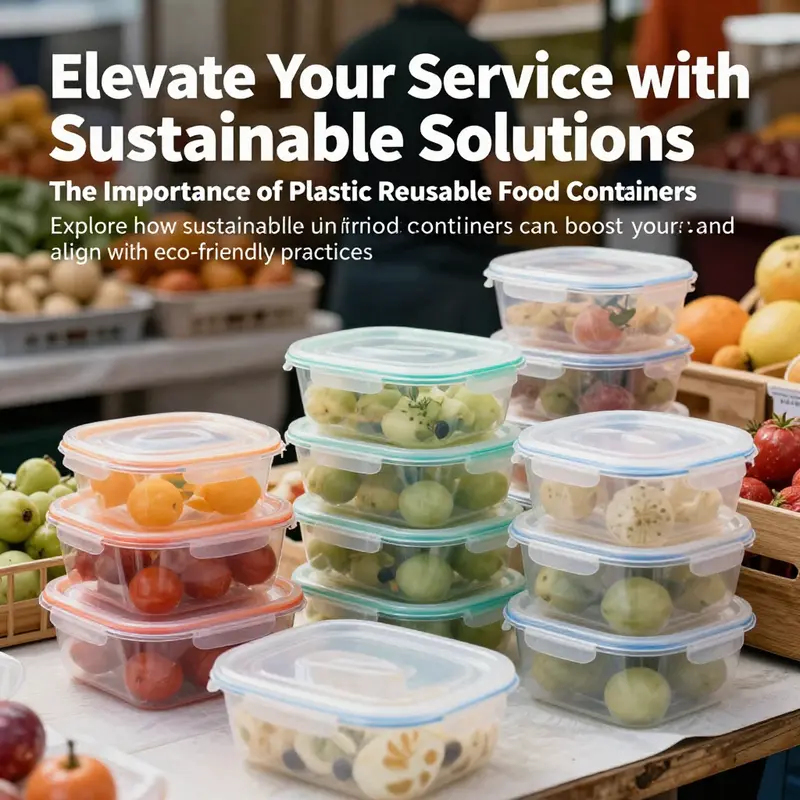
In the current landscape of food service, where sustainability meets consumer demand, plastic reusable food containers offer a blend of durability, convenience, and environmental responsibility. For bubble tea shops, beverage chains, restaurants, food trucks, catering services, event planners, and corporate procurement teams, transitioning to reusable containers is a strategic move. This introduction sets the stage for understanding the comprehensive benefits, from minimizing environmental impact to ensuring safety and compliance. We’ll delve into critical facets: the environmental effects of reusable containers, the safety standards they must meet, the latest design innovations, emerging market trends, and best practices for care and maintenance. By the end, you’ll see how making informed choices in food packaging can enhance your brand’s reputation and commitment to sustainability.
Beyond Reuse: Tracing the Environmental Footprint of Plastic Reusable Food Containers
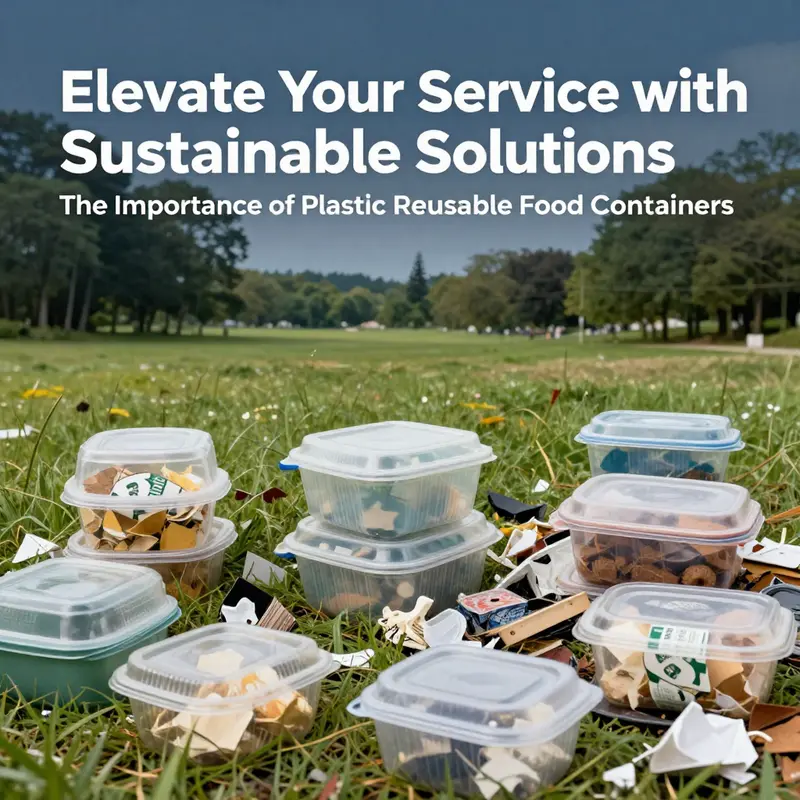
Reusable plastic food containers promise a path away from the mountains of single-use packaging. They are designed for repeated use, life-cycle thinking, and a balance between convenience and responsibility. Yet the story of their environmental impact is not a straightforward promise of virtue. It unfolds through the choices people make about how often to reuse them, how carefully they are cleaned, and how they are finally disposed of or recycled. A 2025 life-cycle assessment casts this nuance in sharp relief. It concludes that reusable plastic food savers outperform their disposable counterparts, but only after they have been reused enough times to offset the higher initial production costs. The key range identified is wide: between sixteen and two hundred eight uses. This spread reflects the varying assumptions about production energy, materials, transport, and end-of-life handling. What remains clear is that the sustainability of these containers hinges most on human behavior and the durability of the containers themselves.
To translate these findings into everyday practice, it helps to frame the issue around a practical threshold. Sixteen reuses marks the point at which environmental advantages begin to appear for terrestrial ecotoxicity, a facet of impact that covers how materials and chemicals interact with soil ecosystems over time. Reaching and sustaining this threshold is not just about choosing a sturdy container; it is about consistently using it in a way that minimizes waste and energy footprints. The upper end of the range, two hundred eight uses, suggests there is a payoff to longevity, but that payoff depends on how well the container is cared for across its life. Consumers who routinely wash containers in hot water, expose them to harsh dishwashing cycles, or subject them to repeated high-heat reheating may erode seals, harbor bacteria in micro-scratches, and accelerate material fatigue. The result can be not only a loss of functionality but also a shift from environmental savings to higher maintenance costs and potential safety concerns. In other words, the promise of reuse is not automatic; it requires attention to the container’s condition and to the routines surrounding its use.
A crucial dimension of the discussion concerns end-of-life pathways. The environmental benefits of reusables depend heavily on how waste streams are managed once a container reaches the end of its usable life. Recycling infrastructure matters. If extruded polystyrene—frequently implicated as a single-use material in broader packaging systems—were recycled in alignment with contemporary EU waste-packaging policies, its impacts could drop significantly, by more than eighteen percent in categories like global warming potential and marine pollution. That statistic is a reminder that the value of reusables is intertwined with what happens after the consumer discards them. It also points to a broader truth: maximizing the sustainability of plastic containers requires robust, accessible recycling networks and clear, practical guidance for end-of-life disposal. In parallel, improvements in recycling for polypropylene and aluminum can further reduce environmental burdens by over twenty percent. These potential gains depend on effective collection, sorting, and processing, as well as consumer participation. The path from home kitchen to recycling facility is thus a critical phase in the lifecycle of a reusable container.
The chapter of environmental impact does not stop at the factory gate or the recycling plant. It travels through the hands of kitchen staff in commercial settings and into the routines of households that use these containers for meal prep, lunch boxes, and on-the-go storage. Case studies drawn from commercial catering systems show that, despite higher upfront environmental costs, the long-term use of reusable containers can yield net savings when the systems are managed with care. Yet the picture is not without its challenges. Contamination risks arise when containers are not cleaned thoroughly, when seals degrade, or when imperfect washing practices leave residues that can foster microbial growth. There is also energy to consider—the energy required to heat water for washing, the labor involved in sanitizing, and the frequency with which containers are cycled through the dishwasher. These factors can temper the environmental benefits if not addressed with thoughtful protocols and consumer education. Microplastics, too, have entered the dialogue as washing cycles can contribute to their release in aquatic environments. The science urges a balanced approach: recognize the long-run gains from reusables, but couple them with robust cleaning guidelines and reliable return-loop practices that maintain hygiene and functional integrity.
From a behavior-informed perspective, the longevity of a reusable container is a product of design quality and user discipline. Durable materials, like polypropylene for many containers, are prized for heat resistance and chemical inertness, and many products are marketed as BPA-free and microwave-safe. Yet durability is a two-way street. Consumers must avoid practices that prematurely wear seals, deform lids, or scratch the container walls. A seal that begins to fail invites leakage, which not only undermines reuse but can elevate waste and energy usage if leaks require replacement or separate packaging. The assumption that a container can survive dozens or hundreds of cycles rests on proper handling: washing with appropriate temperatures, avoiding abrasive cleaners that scratch surfaces, and confirming that containers are thoroughly dried before stacking or storing. Clear labeling helps, but so does practical habits—rotating stock so older items are used first, inspecting lids for micro-damages during routine cleaning, and establishing a predictable lifecycle for replacement when performance declines. The interplay between product design and consumer behavior is central to extracting the environmental benefits highlighted by life-cycle analyses.
Consumers interested in greener options often encounter a spectrum of pathways, including hybrid solutions. Some manufacturers explore combinations like reusable silicone components paired with rigid plastics, or containers made from recycled materials that still promise durability. Such innovations aim to blend the benefits of strength, heat tolerance, and reduced virgin-material use. The sustainability equation broadens when considering these alternatives; they may offer advantages in certain contexts, such as reduced weight, easier sealing mechanisms, or compatibility with existing washing regimes. However, every option carries its own lifecycle profile. Recycled-content plastics shift the environmental calculus, and the downstream effects depend on the energy embedded in recycling processes and the proportion of recycled material that can be repurposed without compromising safety or performance. The takeaway for buyers and operators is not a single perfect choice, but an informed selection aligned with usage patterns, storage needs, and the capacity of local waste systems to handle recycling, collection, and reprocessing.
For readers seeking practical pathways to greener storage, the conversation naturally shifts toward availability and accessibility. The market now presents a wide array of sizes, shapes, and seal mechanisms, and the prospect of customization can align containers with organizational or branding goals in commercial settings. However, the sustainability value remains tied to how these containers are used across their life. To illustrate the point in everyday terms, consider the storage containers category on a typical supplier site. It offers durable, reusable options designed for daily meal prep, with emphasis on leakproof lids and safe materials. When shoppers engage with this category, they encounter a reminder that the choice of container is only one piece of a larger system that includes washing, storage practices, and the end-of-life route. A link to a relevant product-category page can help readers explore practical, reusable options within a broader storage and meal-prep ecosystem: storage containers.
The chapter closes with a reminder that environmental stewardship in the realm of plastic reusable food containers rests on three interconnected pillars: durable design, mindful use, and thoughtful end-of-life management. Durability matters because it lowers replacement frequency and maximizes the environmental dividend of each container. Mindful use matters because it governs how long the container stays functional and how effectively it is kept free of contaminants. End-of-life management matters because recycling and waste-handling infrastructure determine the ultimate fate of the materials and the magnitude of their ongoing impact on ecosystems. When these pillars align, reusable plastic containers can offer tangible environmental benefits over time, even as they coexist with other innovative packaging approaches. The broader takeaway is clear: the promise of reuse depends as much on our habits and systems as on the containers themselves.
External resources provide deeper context for this environmental narrative. For a detailed methodology and broader scope of the lifecycle assessment discussed here, readers can consult the study: https://www.sciencedirect.com/science/article/pii/S092134492500027X
Guardians of Freshness: Safety Standards for Plastic Reusable Food Containers
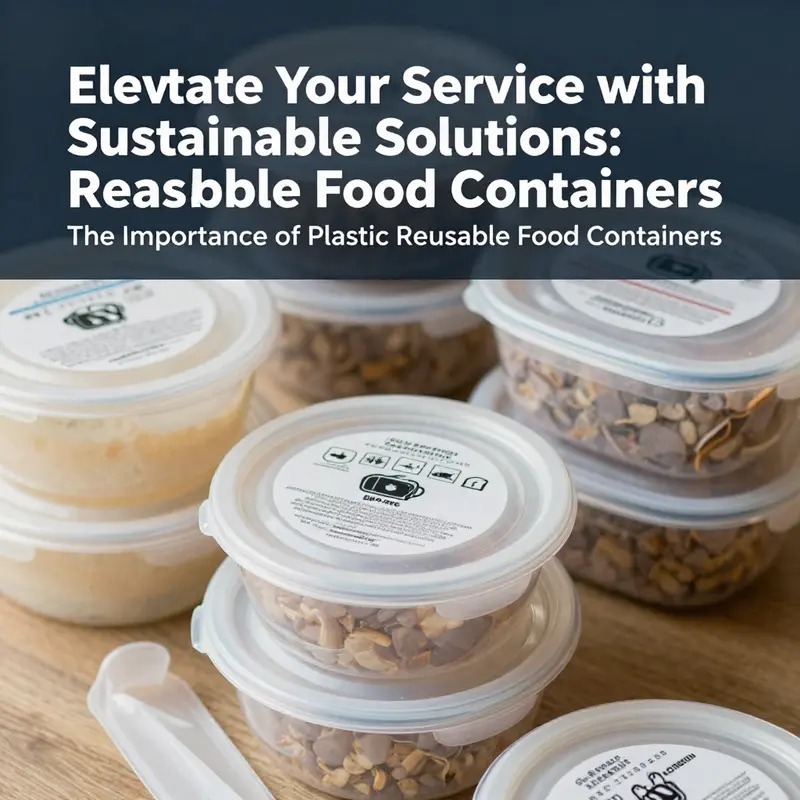
Trust in the kitchen begins with safety. When we choose a reusable plastic container, we are choosing a promise that food stored, heated, and transported remains safe. That trust is shaped by safety standards and regulations for food-contact materials. Regulators set guardrails that influence which containers appear on shelves, how they are used, and how they are cared for over time. In the United States, the FDA governs food-contact plastics under the Federal Food, Drug, and Cosmetic Act, ensuring that substances in contact with food do not migrate above safety thresholds. The practical goal is simple: materials intended for food contact are evaluated for chemical migration and remain within limits under real-use conditions. In practice this means testing, labeling, and ongoing assessment of materials as use patterns evolve. The result is a landscape where safety is not a single score but a continuous conversation among science, manufacturing, and consumer habits.\n\nChoosing the right resin matters. Common food-contact plastics include polypropylene (PP), high-density polyethylene (HDPE), and low-density polyethylene (LDPE). These resins offer chemical resistance and stability within labeled temperature ranges. They are frequently recommended for repeated use and for containers expected to withstand microwaving under labeled conditions. Yet wear and heat can create micro-scratches and clouding that harbor bacteria or trap residues. So safety is a moving target tied to how a container is used and cared for, not just what it is made of.\n\nLabeling is essential. Microwave-safe, dishwasher-safe, and freezer-safe labels result from testing that simulates real-world conditions, including acidic foods, fats, alcohol, and temperature cycles. If migration stays below approved thresholds, the container earns the label. A microwave-safe label indicates suitability for typical microwave use, not for extreme or abusive conditions. This distinction matters when reheating leftovers or using a container for hot, fatty sauces that can affect migration in some plastics.\n\nRegulatory trends and sustainability. Regulators are balancing safety with sustainability, including recycled-content plastics. For example, in 2024-2025 some jurisdictions began reexamining allowed materials for food packaging and pathways for recycled plastics to be approved, with stringent safety standards. This progress means more options may be available but still require careful testing and labeling. Manufacturers must demonstrate safety as materials and processes evolve.\n\nAdditives and substitutes. BPA-free is common, but substitutes like BPS and BPF are being studied for potential effects. The FDA and other authorities continue to evaluate these chemicals, and general guidance still emphasizes minimizing heating of plastic containers to reduce risk. In daily practice, many use plastics for storage at moderate temperatures or switch to glass or stainless for high heat. Within rated limits and with proper care, PP and HDPE can remain safe for reuse.\n\nCare, seals, and lifecycle. A good seal helps prevent leaks and contamination, but heat, harsh detergents, or aggressive scrubbing can degrade seals and the container edge. Inspect for wear, scratches, clouding, or cracks, and retire items that fail to seal. For frequent reheating, consider glass or stainless steel for hot uses while using plastic for cold or mildly warm storage, reducing risk without eliminating plastics entirely.\n\nPractical approach for households. Follow manufacturer temperature and cleaning guidance, avoid code 3 PVC, code 6 polystyrene, and code 7 ‘other’ for high-heat use where advised, and replace worn containers. Read labels, seek clear material descriptions, and prefer brands that publish testing data. Stewardship matters: proper use and end-of-life recycling are part of safe reuse.\n\nLooking ahead. Innovations such as silicone components, recyclable-content packaging, and transparent safety data sheets help consumers choose safer options and support responsible producers. The broader packaging ecosystem invites ongoing dialogue among science, regulation, industry, and users.
Beyond the Leak: Innovative Design in Reusable Plastic Food Containers
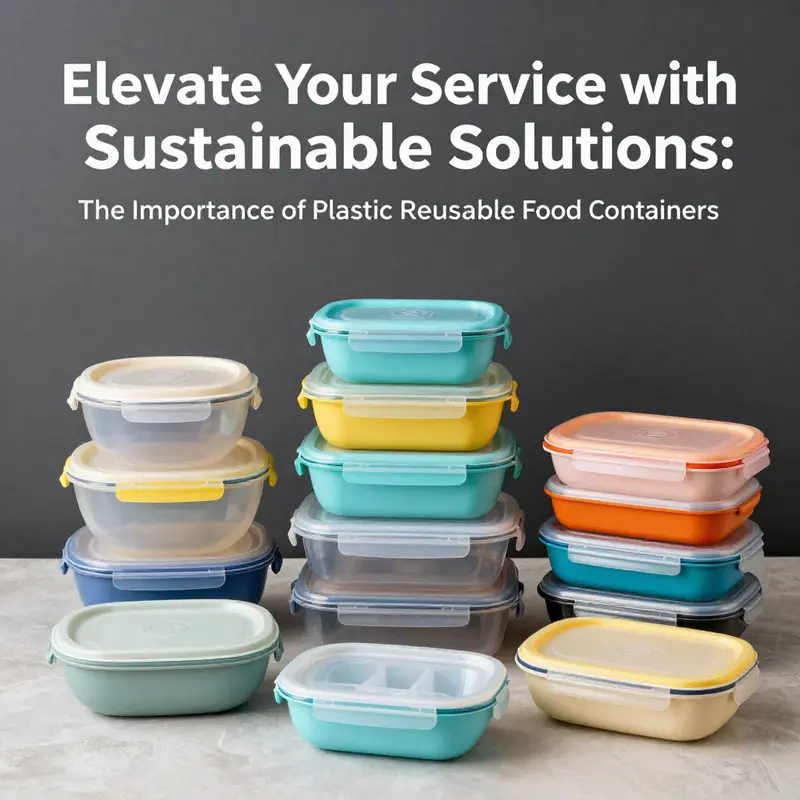
Innovations in the design of plastic reusable food containers unfold as a thoughtful response to how we eat, where we store it, and how we sustain ourselves over time. The aim is not merely to create a sturdy box that holds leftovers; it is to craft an everyday tool that aligns with a practical kitchen workflow, respects health and safety standards, and contributes to a broader commitment to the planet. Designers approach this challenge by seeking a balance among several imperatives: lightness without fragility, compact form without sacrificing capacity, and seals that keep contents contained during movement while remaining easy to open for users with varying levels of hand strength. In practice, this balance translates into a family of shapes that nest efficiently, stack securely on crowded shelves, and accommodate a variety of meal formats—from single portions to family-style servings. The result is a system that reduces clutter in the pantry and makes it easier to plan, portion, and reheat meals with confidence. This holistic perspective emphasizes not just one feature but how features interact; a lid that seals well but is difficult to grip undermines the best leak-proof design. In this sense, the most successful innovations arise when form and function reinforce each other, guiding users toward more consistent meal planning and less food waste. Within a broader storage system, the category of storage containers offers compatible options, and readers can explore this category to see how different containers complement each other in real kitchens while reinforcing the same sustainability ethos that drives the core design program.
Advances in materials play a central role in this evolution. Modern reusable containers increasingly rely on BPA-free, food-safe plastics that resist odors and stains while maintaining clarity so users can see what lies inside at a glance. Polypropylene, a common workhorse in this space, combines heat resistance with chemical inertness, enabling safe storage, reheating, and dishwashing across many cycles. Yet material choice is only one piece of the puzzle. The durability of a container hinges on how its geometry distributes stress during use. Thick walls are not always better if they add unnecessary weight; instead, designers optimize wall thickness, ribbing, and corner radii to improve rigidity without sacrificing ease of handling. A well-executed design minimizes micro-scratches that can harbor bacteria over time, thereby preserving hygiene without demanding excessive cleaning vigor from users. The guidance here is pragmatic: pick shapes that resist deformation when stacked, support a secure seal that remains reliable after many wash cycles, and stay visually forgiving as stains and odors accumulate. In practice, this means paying attention to the seal system itself. A leak-proof mechanism is only as good as the material that forms the seal and the way the lid and body meet. For instance, precise tolerances and well-designed channels help ensure a tight interface even after repeated opening and closing.
Alongside foundational materials and seals, the new generation of containers benefits from modularity and configurability. The idea of modular compartments—built-in dividers or adjustable inserts—appeals to portion control and meal planning. A user can tailor a container to accommodate different ingredients without resorting to multiple separate boxes. This modular approach reduces the number of containers a person needs to manage, simplifying storage and encouraging reuse over single-use alternatives. It also supports diverse diets and cooking styles, from bulk meal-prep routines to lunch boxes that partition sauces, grains, and vegetables in tidy, travel-ready sections. These design choices are not merely about convenience; they are about encouraging behaviors that lower waste by making leftovers easier to portion, label, and monitor for freshness. The practical consequences are meaningful: fewer forgotten leftovers, less spoiled food, and a stronger link between meal planning and actual consumption. The same attention to modularity extends to lids and bases, where ergonomic features can make the act of opening, closing, and carrying more accessible for families, seniors, or anyone with limited dexterity. The result is a set of containers that feels intuitive from the first use and remains dependable after countless cycles.
A newer and increasingly visible strand of design is the integration of smart technology into reusable containers. The promise here is not to replace human judgment but to augment it with timely information. Some containers incorporate built-in sensors or QR codes that link to usage data, cleaning reminders, or recipe suggestions based on stored ingredients. In practice, a smart tag can log when the container was last used, help users track what is inside without opening it, or prompt a reminder to refresh the contents before they become overdue for consumption. This digital layer can subtly shift daily habits toward greater sustainability by nudging people to reuse rather than discard, or to rotate stock in a timely fashion. Importantly, these features are designed to be unobtrusive and energy-efficient, preserving the simplicity that makes reusable containers so appealing while adding value for those who want a more data-informed kitchen routine. The idea is not to complicate the act of meal storage but to illuminate it, turning routine tasks into opportunities for better decision-making and reduced waste.
The movement toward circular economy principles further shapes modern container design. Manufacturers increasingly seek end-of-life clarity by creating products that are easier to disassemble, repair, or recycle. A container might be engineered so that its components—different plastics, seals, and inserts—can be separated without specialized tools, enabling recycling streams to operate more effectively. This approach supports repair and repurposing rather than quick disposal, extending the useful life of each component and reducing the overall environmental footprint. In some cases, this philosophy invites a blend of materials that can be separated cleanly at the end of life, or it encourages the use of recycled-content plastics that still meet food-safety and performance standards. The broader implication is a shift from linearly used-and-discarded to systems designed for longevity, repairability, and easy recycling. This shift, in turn, aligns with consumer values around responsible consumption and informs how companies frame product lifecycles, return programs, and take-back initiatives. It is not only about technology and materials but about embedding responsibility into the entire lifecycle of a product.
Aesthetics and ergonomics have also evolved in step with ecological considerations. Transparent bodies enable quick visual checks of contents, reducing the chances of forgotten leftovers that lead to waste. Handles and grips have become more intuitive, easing use for people with limited hand strength or those who need to carry containers with one hand while juggling other tasks. Non-slip bases stabilize containers on slick surfaces—an attribute that proves valuable during transit or when lifting from a crowded fridge shelf. Lids have grown more ergonomic, designed to be opened with less force and closed with a confident click. These refinements may seem minor, but they improve daily usability and reinforce sustainable behavior by lowering friction points that previously discouraged reuse. In tandem with ergonomic improvements, designers are increasingly mindful of aesthetics, offering options like clear or lightly tinted bodies and subtle color accents that help individuals and families organize their meals more efficiently. Transparent materials also aid in reducing waste, as visible contents encourage timely consumption and reduce the likelihood of forgotten, stale food creeping into the trash.
Across these threads—materials, geometry, modularity, digital augmentation, end-of-life thinking, and ergonomic refinement—the chapter of contemporary reusable plastic containers reads as a cohesive narrative about practical ingenuity meeting ecological responsibility. The best designs do not demand radical shifts in routine. They invite people to reuse with greater ease and confidence, to plan ahead with clearer visibility, and to feel that every meal carries a small action toward a more sustainable household. This is not a single invention but a continuing dialogue between users and the objects that accompany them through day after day. As the kitchen evolves, so too does the container that helps it function, growing lighter, smarter, and better suited to our evolving habits. To those curious about how such thoughtful products fit into a broader ecosystem, exploring the storage containers category reveals a spectrum of compatible options that complement this design philosophy and support consistent reuse. storage containers anchor. For researchers and practitioners seeking a reference point for material innovations and lifecycle thinking, the field is richly documented in industry-driven explorations of plastic packaging and container design, which illuminate how today’s enhancements translate into real-world performance and environmental outcomes. External reference: https://www.plasticsindustry.org/innovations-in-plastic-packaging-and-containers
From Policy to Pantry: Market Trends Shaping Reusable Plastic Food Containers
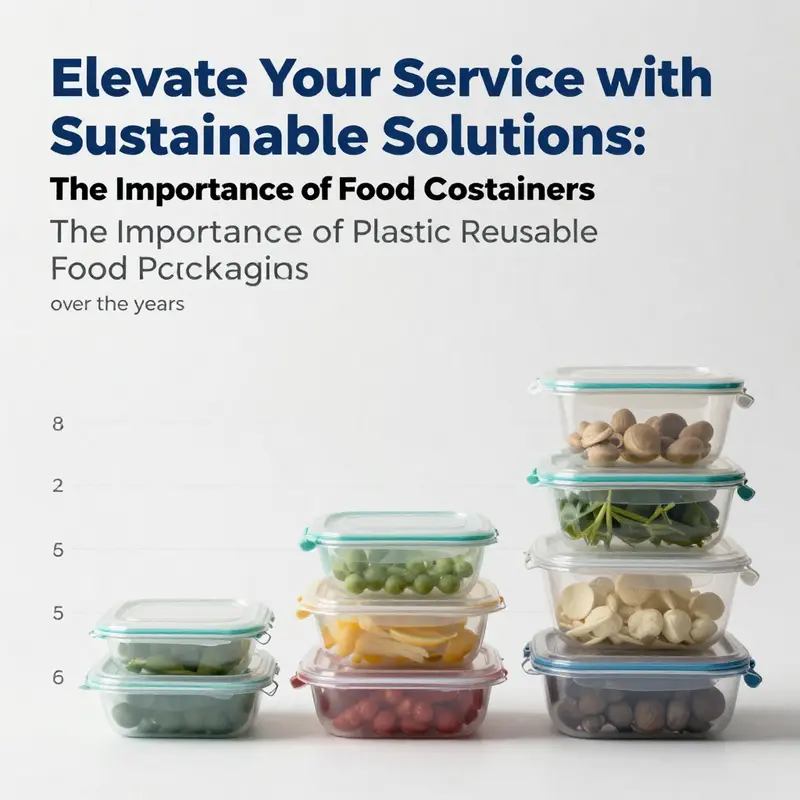
Reusable plastic food containers have shifted from niche kitchen gadgets to core tools in households and businesses committed to waste reduction. They sit at the intersection of policy, design, and daily habit, embodying how regulation, consumer values, and supply chains converge to make sustainable choices practical. This chapter surveys the market dynamics that are driving growth in RPCs, while highlighting the practical implications for households, retailers, and manufacturers alike.
Regulatory momentum is the first and most influential driver behind the rise of reusable plastics. Governments around the world are tightening controls on single-use packaging, with policy packages aimed at phasing out disposable items and encouraging durable alternatives. A notable push in Asia, culminating in a comprehensive set of restrictions by 2026, creates a clear market signal: products built for repeated use with reliable performance stand a higher chance of adoption. For manufacturers, this means more rigorous testing for temperature tolerance, chemical safety, and long-term seal integrity. For retailers, it means aligning assortments with policy timelines and communicating the value of longer-lasting options to shoppers who are increasingly aware of policy footprints. The policy backdrop not only curbs waste streams but also reframes what counts as an acceptable packaging solution in the eyes of policy-makers and consumers alike.
Consumer sentiment is evolving in parallel with regulation. A growing segment of buyers explicitly seeks packaging that aligns with environmental values without sacrificing convenience. In practical terms, this translates to demand for containers that are easy to clean, leakproof, and capable of withstanding a busy daily routine. The desire for simplicity and reliability—an uncomplicated set of containers that can go from refrigerator to microwave to dishwasher—makes RPCs attractive, especially for families, students, and professionals who meal-prep. As awareness of plastic pollution rises, shoppers increasingly favor durable systems that promise lower overall waste. This shift also interacts with lifestyle trends toward home organization and minimalism; fewer, better-built containers reduce decision fatigue and clutter, reinforcing the appeal of a cohesive set over a fragmented assortment.
Economics shapes how households and organizations approach RPCs. The immediate sticker price is an important hurdle for some buyers, but the economic argument becomes stronger when viewed through the lens of total cost of ownership. Reusable containers offer long-term cost savings by reducing purchases of disposables and limiting waste disposal costs. Businesses and institutions that replace a large volume of single-use containers with RPCs can lower packaging expenditure, reduce spoilage losses, and streamline returns and cleaning. The financial calculus extends to logistics: sturdier, well-sealed containers minimize product damage during transit, support standardized stacking, and improve space utilization in storage and distribution. Over time, these efficiencies accumulate, making RPCs not just a sustainability choice but a strategic operational one.
Innovation in materials and design is shaping both performance and end-of-life outcomes. The market is moving toward food-grade plastics that balance heat resistance, chemical inertness, and recyclability. Some producers emphasize recycled-content formulations, which helps close the loop for a growing cohort of environmentally conscious buyers. Yet innovation is not limited to the material itself; it extends to sealing systems, rims, and form factors that enhance stackability and freshness. Durable seals withstand temperature cycling and washing, while reinforced corners resist everyday bumps. These design refinements reduce the risk of leaks and pantry spills, reinforcing consumer confidence in RPCs as reliable daily tools. The challenge remains to ensure that higher-performance materials integrate smoothly with efficient recycling streams, a balance that many manufacturers are pursuing through collaborations with recyclers and policymakers alike.
Supply chains are increasingly engineered to accommodate RPC systems as standard components of packaging strategy. In sectors such as fresh produce, baked goods, and meal kits, reusable containers are becoming central to how products are packaged, stored, and transported. When RPCs are integrated at scale, they can drive significant waste reductions and provide clearer sustainability signals to end users. This integration also supports improved traceability, easier maintenance scheduling, and more predictable handling in automated facilities. The ripple effect is visible in retailers’ inventories and in the way manufacturers plan for seasonal demand, with RPCs offering the standardization needed to support large-volume logistics and cross-continental distribution. In turn, this interoperability invites broader adoption across small businesses, schools, and corporate cafeterias that are looking for scalable packaging solutions rather than bespoke, one-off options.
The lifecycle realities of RPCs deserve equal emphasis. While the sustainability story is compelling, it hinges on mindful use and responsible end-of-life management. Repeated washing and high-temperature exposure can wear surfaces and degrade seals over time, creating micro-scratches that harbor bacteria or compromise airtightness. The industry is responding with clearer care instructions and more durable surface treatments, but consumer diligence remains essential. Regular inspection for wear, timely replacement of aging pieces, and adherence to manufacturer guidance on microwave and dishwasher use are simple, practical steps that preserve both safety and performance. In parallel, innovations in coatings and surface engineering aim to reduce microbial harbor points and make cleaning more forgiving, aligning convenience with hygiene imperatives.
A newer thread in the RPC tapestry is the rise of hybrid solutions and recycled-content formats. Silicone inserts paired with rigid shells offer flexibility, while containers made with recycled plastics appeal to buyers who want to minimize virgin material input. This diversification supports a broader range of use cases—from home meal-prep to institutional catering—without forcing a one-size-fits-all mentality. It also broadens access to sustainability credentials, since different materials and configurations can be matched to particular waste streams or recycling capabilities in a given region. Customization options—sizes, shapes, colors, and branding—are increasingly part of RPC offerings, enabling organizations to tailor packaging to their operational needs and to communicate a visible sustainability commitment to customers.
Market scale and growth metrics reinforce the qualitative shifts in how RPCs are perceived and used. A 2026 market outlook places the global RPC market value at approximately USD 3.05 billion in 2022 and projects an ascent to USD 4.87 billion by 2030, representing a CAGR near 5.5 percent from 2024 to 2030. This trajectory reflects more than rising demand; it signifies a structural realignment of packaging strategies toward reusable options across consumer and commercial domains. The growth is supported by policy clarity, consumer willingness to invest in durable products, and robust interest from distributors and manufacturers in forming repeat-use packaging ecosystems. The numbers also hint at a broader shift toward a circular economy within the food industry, where the emphasis moves from single-use convenience to durable, reusable solutions that can be maintained, repurposed, and recycled with greater efficiency.
Beyond the numbers, the RPC market is becoming more interconnected with broader supply-chain ecosystems. As RPCs mature, they are increasingly designed to fit with automated handling, cold-chain logistics, and standardized storage practices. The ability to integrate RPCs with lids, sleeves, and ancillary components that complement other packaging and warehousing technologies reduces friction for businesses transitioning away from disposables. In this sense, RPCs are not merely containers but part of a modular packaging framework that enables cleaner operations, clearer branding, and more consistent product quality from producer to consumer. This systems-level thinking is what gives RPCs an edge in competitive markets, where customers expect not only functional performance but also visible accountability for environmental impact.
For readers seeking concrete, hands-on guidance, a practical takeaway is to consider how an RPC system can be implemented in everyday life and in business operations. The idea is to assemble a cohesive set of containers that cover common meal sizes and storage needs while ensuring materials, seals, and cleaning compatibility meet real-world conditions. A single, well-chosen system can significantly simplify kitchen routines, reduce waste, and support a recognizable sustainability narrative in a home or workplace. For those exploring options online, a straightforward pathway is to examine the storage category that houses a range of reusable options designed to integrate with daily routines and organizational goals. See here for a representative collection: storage containers.
In sum, market trends in plastic reusable food containers reveal a sector that is maturing rapidly while remaining highly adaptable. Regulatory pressure, shifting consumer expectations, and scalable operational benefits are converging to normalize reusable packaging as standard practice. Innovation in materials and design continues to push safety, durability, and recyclability forward, even as hybrid formats expand choices for a wider array of users. The result is a more resilient packaging landscape that supports the circular economy without sacrificing the everyday practicality that makes RPCs appealing in the first place. As the sector evolves, stakeholders—from policymakers to housekeepers—will increasingly rely on transparent labeling, clear care guidance, and straightforward pathways to end-of-life processing to sustain momentum. The chapter’s core message is simple: when policy, performance, and practicality align, reusable plastic food containers become not just an option but a reliably preferred choice for reducing waste and enhancing food safety across countless kitchens and kitchens-to-table experiences.
For readers seeking a broader, data-driven perspective on market size and trajectory, the external resource below provides a quantitative lens on RPC growth and its implications for the packaging ecosystem: https://www.marketresearchfuture.com/reports/reusable-plastic-containers-market-1195.
Guardians of the Pantry: Care and Maintenance for Reusable Plastic Food Containers
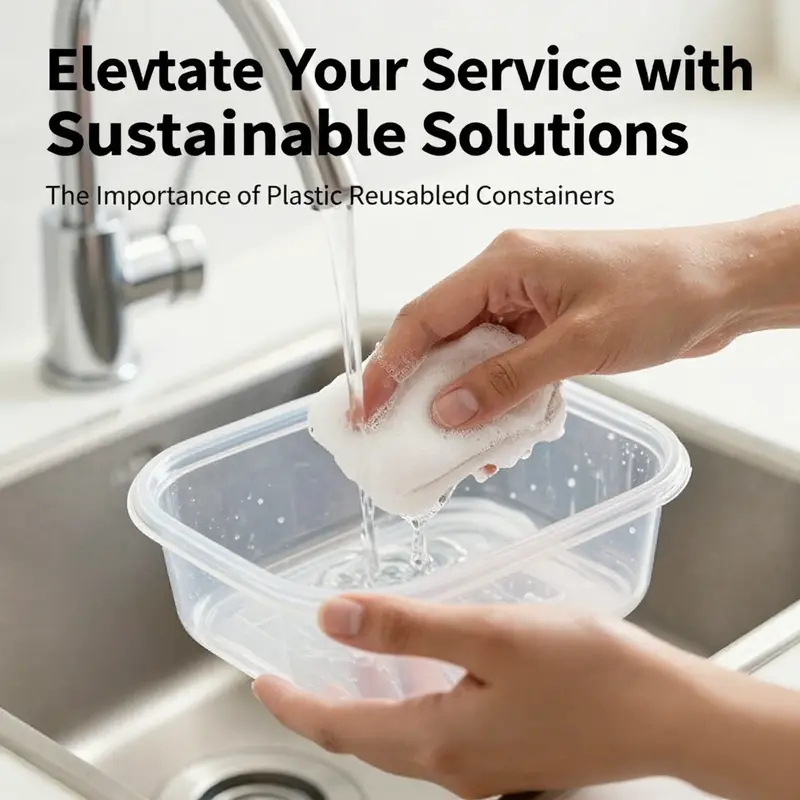
Every day, a simple plastic container travels from fridge to lunch bag to microwave, and back again. Its job is to preserve flavors, prevent spills, and cut down on waste. But the life of daily use can take a toll. The good news is that careful care can extend its life, keep it safe, and preserve its performance. Modern designs work with you. Think rounded corners that reduce crevices where residues hide; wide mouths that invite easy cleaning and quick filling; and stackable shapes that save space while maintaining a reliable seal. Those features are more than convenience; they guide how you clean, how you store, and how you decide when a container has reached the end of its useful life.
Cleaning feels simple, but it matters. Most containers are labeled dishwasher-safe, yet the practical reality is nuanced. Dishwashers expose plastics to heat and vigorous jets that can warp the base or degrade rubber seals over time. When the lid contains silicone gaskets, or the container uses flexible seals, hand washing is gentler and helps preserve the seal integrity. The general rule is to check the manufacturer’s guidelines first, but as a habit, give silicone-bearing lids a gentle hand wash and reserve dishwashers for the body and non-seal components. After washing, air-drying on a rack is best, with lids removed to prevent trapped moisture.
Odors are a common complaint. Some smells cling stubbornly, especially after storing acidic foods such as tomatoes or citrus. Micro-level imperfections in the plastic can harbor residual particles, and heat from reheating can slightly warp the surface, increasing the area that can absorb odors. As Dr. Lena Torres, a materials scientist, notes, “Even high-quality plastics have microscopic imperfections. Once food residues embed there, regular washing may not reach them.” That insight reframes cleaning as a two-layer process: routine washing for routine meals, and periodic deep cleaning to reopen the tiny pores where odors nest. Without this attention, containers can carry a reminder of yesterday’s lunch long after the food is gone.
To address persistent smells, many households adopt a weekly deep-cleaning protocol. A seven-step approach helps reset the container’s interior surface and neutralize scent compounds. First, baking soda makes a mild abrasive paste when mixed with water and can lift residues. Second, a vinegar soak, mixed with water, helps dissolve mineral and organic buildup. Third, specialized cleaners designed to target trapped residues support the process. Fourth, a sun exposure phase can aid deodorization, though you should avoid prolonged direct heat that could stress the plastic. Fifth, a lemon rinse counters odors with natural acidity that also brightens the plastic’s appearance. Sixth, an inspection for scratches identifies surfaces that might harbor lingering smells and could indicate it is time to retire badly scratched containers. Seventh, drying thoroughly completes the cycle, ensuring no moisture sits in seals or corners.
Even with vigilant cleaning, some usage patterns demand additional care. Liquids demand careful seal management; avoid sharp corners near where liquids meet the walls of the container, as such features can create micro-environments where moisture and particles linger. Heat guidelines must be respected as well: microwaving can cause warp or soften certain structural components if the container is not explicitly rated for heat. When in doubt, err on the side of caution and consult the label. The same caution applies to freezer use; many containers tolerate cold, but repeated freeze-thaw cycles can stress plastic, so plan accordingly and avoid exposing seals to extreme temperature shifts.
Storage is another chance to protect performance. People often overlook how the way you stack, label, and close containers affects longevity. Opt for medium-sized modular containers whose flat sides make labeling easier, and whose lids seal comprehensively. When you store leftovers, keep the lids loosely in place or separated, reducing the chance of odor entrapment. Labeling with date codes helps you practice first-in, first-out, and prevents the need to reuse stale leftovers. A simple rotation system also reduces wear from repeated opening and closing. And when you’re not using containers, keep them in a cool, dry area away from direct sunlight that can degrade plastics over time.
From a broader perspective, the care and maintenance of reusable plastic containers align with sustainable habits. The environmental advantage of reusables arises from repeated use rather than disposal, but that advantage only remains if the containers are cared for and replaced when necessary. When you extend a container’s life through careful cleaning and mindful use, you reduce both waste and energy spent on manufacturing new items. Hybrid options—such as combining silicone bags with rigid containers or selecting recycled-material plastics—also appear in the market, but they require the same discipline when it comes to washing and storage to deliver meaningful gains. In practical terms, a well-cared-for container can outlast several cheaper disposables by a wide margin, which translates into lower cumulative waste and cost over time.
To explore a broader selection of options that fit various kitchen scales and aesthetics, you can browse the storage containers category. storage containers category.
Finally, the science of odor management in plastic is an evolving field. For readers seeking deeper insights beyond everyday routines, a recent guide from Sustainable Kitchen Labs summarizes practical odor-removal strategies and explains the science behind why some plastics retain smells despite regular cleaning. It’s worth a read for anyone who wants to understand the why behind the seven-step approach and the importance of surface integrity. External resource: https://www.sustainablekitchenlabs.com/2025/12/26/how-to-remove-odors-from-reusable-food-containers/
Final thoughts
Choosing plastic reusable food containers is more than just a trend; it’s a strategic move towards sustainability and operational efficiency. As a bubble tea shop, restaurant, or catering service, understanding the environmental impact, adhering to safety regulations, embracing design innovations, recognizing market trends, and maintaining your containers properly will significantly enhance your brand image and consumer trust. By committing to these reusable solutions, you not only contribute to a healthier planet but also adapt to the evolving preferences of today’s eco-conscious consumers. This commitment is crucial for your business’s growth and long-term success.