

As the beverage industry evolves, so do the demands of consumers seeking convenience and sustainability in their drinkware. Insulated clear plastic water cups with lids have emerged as a staple for bubble tea shops, restaurants, food trucks, and catering services. Their dual functionality—maintaining temperature while showcasing vibrant drinks—is especially important for businesses aiming to attract the modern customer. This article delves into the myriad benefits these cups offer, assesses their environmental footprint, analyzes current market trends, highlights the technology behind their design, and outlines consumer preferences—ultimately showcasing why these cups are an excellent choice for your beverage operations.
Seeing Through Hydration: The Benefits of Clear Plastic Insulated Cups with Lids
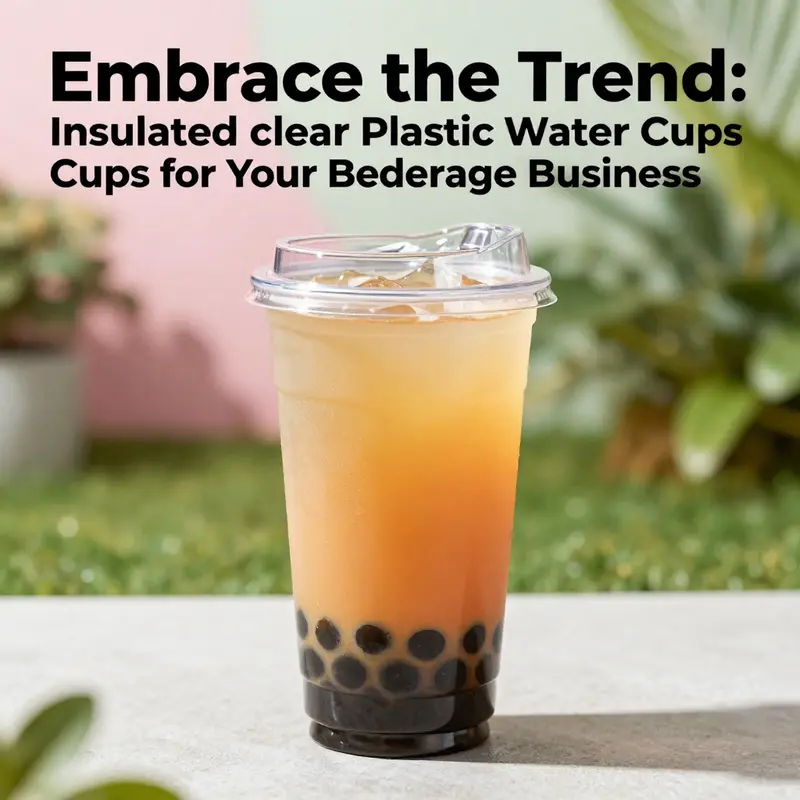
Hydration is more than a habit; it is a small daily ritual that shapes energy, mood, and pace. In this ritual, the clear plastic insulated cup with a lid sits as a quiet enabler. It blends practicality with design, turning a simple water refill into a moment of deliberate choice. The shape is familiar, the material approachable, and the function reliable enough for a busy day that blends commuting, gym sessions, classroom periods, and office tasks. The value of such a cup rests on a set of interwoven benefits that respond not just to function, but to the aesthetics of everyday life. At the heart of its appeal is the ability to preserve what you pour inside, and in doing so, to preserve the moment in which you choose to drink. The double-walled structure is where that value begins. By creating an insulating barrier between the inner vessel and the outer shell, these cups slow the transfer of heat. When you add ice or a cold beverage, the interior remains cool longer; when you pour in hot tea or water, heat loss is minimized. The practical upshot is a temperature profile that can extend cold drinks for a longer stretch and keep hot liquids warm for several hours. The precise figures—often cited as 12 to 24 hours for cold or hot retention for a portion of the day—reflect real-world use rather than laboratory extremes. They are approximate, but they capture a dependable expectation that aligns with modern routines. The double-wall construction is frequently paired with vacuum-sealed elements or specialized insulating barriers that work to reduce convection and radiant heat transfer. The effect is not the same as the high-performance metal thermos many hikers prize, but it is a meaningful enhancement over standard single-wall plastic cups. This is where the first tier of value becomes apparent: a practical tool that helps maintain beverage temperature without demanding extra effort, accessories, or energy consumption from the user. The result is less need for refrigerator or microwave adjustments during a typical day and more reliable enjoyment of beverages exactly as intended, whether it is a crisp, ice-choked water, a refreshing iced tea, or a warm infusion that eases a mid-day chill. The transparent body of the cup further reinforces this experiential benefit. Clear plastic invites immediate visual feedback: you can gauge how much liquid remains, track ice melt, and even appreciate the color and texture of the drink itself. This transparency does more than show quantity; it adds an element of storytelling to hydration. A smoothie’s layers, the gradient from icy blue to lavender, or a vibrant cucumber-lemon infusion becomes part of the sensory experience. Seeing is part of the appeal because it engages both practicality and emotion. It is easy to monitor contents and plan refills, a tiny but meaningful contribution to a smoother daily rhythm. The lid is the other essential component that underpins real-world usefulness. A secure, leak-proof seal protects against spills when the cup is tucked into a bag, left in a car cup holder, or balanced on a crowded desk. The lid design often includes a sip port or a straw compatibility feature, which broadens how you drink and reduces the risk of accidental drips. In practice, a well-sealed lid supports hygiene and convenience, letting you rotate between quick sips and more leisurely drinks without sacrificing cleanliness or control. The combination of a clear body and an efficient lid aligns well with dynamic environments—offices, gyms, campuses, and outdoor paths where portability and ease are paramount. The cup’s portability is reinforced by its material choice. Many of these cups lean on high-grade thermoplastics such as polypropylene or polycarbonate. These materials offer a balance of lightness and durability that glass or metal cannot always provide. They resist shattering when dropped and tend to dent far less often than metal counterparts, which makes them especially appealing for on-the-go use. The choice of plastic also helps keep the weight manageable, a practical consideration when you’re moving from meeting to class to a workout. An important aspect of material selection is safety. Reputable clear plastic cups used in insulated designs are commonly marketed as BPA-free, addressing concerns about certain chemical additives in some plastics. Yet the landscape of safety is nuanced. While BPA-free labeling is reassuring to many consumers, ongoing research has raised questions about other substitutes that may carry their own risks, such as alternatives to BPA like BPS and BPF. For consumers, this means an ongoing assessment of product materials, sourcing, and the overall lifecycle of the cup—not only for personal safety, but for environmental impact as well. In practical terms, this translates to looking for clear plastics that are not just BPA-free but are also recyclable and produced with a responsibility toward human health and the environment. The apparent simplicity of a clear plastic cup conceals a thoughtful integration of design elements meant to support everyday use. Durability is enhanced not just by the plastic’s intrinsic strength but by the engineering of the double wall and the sealing surfaces. A reinforced seal around the lid, for instance, resists loosening from repeated opening and closing, and contributes to a dependable leak-proof experience. The ergonomic grip is another subtle but meaningful addition. When a cup feels secure in the hand, it invites longer yet more mindful sipping, which can translate to better hydration. The exterior profile can be shaped to fit comfortable hand contours, with smooth transitions and a comfortable diameter that sits well in a backpack pocket or a car cup holder. These ergonomic considerations matter because hydration is a habit that thrives on effortless access. A cup that feels secure and familiar encourages more frequent sipping and better hydration overall. The aesthetic dimension is not merely about looks; it influences how users interact with their beverages through mood and intention. The transparency of the cup invites play with color, light, and texture. Ice beads clinging to the sides of a chilled beverage or the gradient of a layered smoothie can be appreciated in real time, making the act of drinking a more vivid moment rather than a routine task. The visual appeal, then, is a form of behavioral nudge—subtly encouraging ongoing hydration by turning drink moments into one of small, repeated pleasures. In terms of usage scenarios, the clear plastic insulated cup with a lid becomes a versatile companion. It is well suited to short- or mid-length outings, daily commutes, and school or office environments where portability, reliability, and ease of cleaning matter. The cost profile tends to be appealing for a broad range of consumers. When compared with higher-end vacuum-insulated stainless steel bottles, clear plastic cups often strike a balance between performance and price, offering a more accessible entry point for users who want the benefits of insulation without a significant financial commitment. Yet while they offer strong value, they come with limitations. In extreme cold or hot conditions, a stainless steel bottle may outperform a plastic cup. Temperature stability can be more robust over longer periods in metal designs, particularly for those who require very precise thermal management for extended outdoor adventures. For the majority of daily activities, however, the insulation provided by a double-wall plastic cup is more than adequate. Environmental considerations also shape how these cups fit into modern lifestyles. Because many of these cups are designed for repeated use rather than single-use disposal, they contribute less waste than disposable cups. The caveat is that some users view them as expendable if they are not cared for or if the product is not designed for long-term reuse. Proper cleaning and maintenance are essential to preserve both the appearance and the performance of the cup’s transparency and seal. A straightforward cleaning regimen helps prevent staining, odors, and degradation of the inner surfaces, ensuring that the cup remains visually appealing and functionally reliable over time. Such care supports the longevity of the cup and reduces the likelihood of needing replacement sooner than necessary, further improving its environmental footprint in practice. For designers and retailers, the clear plastic insulated cup with a lid embodies a thoughtful synthesis of transparency, security, and everyday practicality. The design language emphasizes a balance: visibility of contents, secure containment, and light weight for mobility. This triad of priorities helps explain why the product has become a staple in many households and workplaces. As users grow more conscious of hydration and wellness, the appeal of a visually engaging, easy-to-use cup that reliably preserves temperature becomes even stronger. It is not just a utilitarian tool; it is a companion that travels with the day, enabling a smoother, more intentional approach to hydration. To explore related options in the broader drinkware landscape, see the drinkware category for a range of forms and features that complement the plastic insulated cup with a lid. drinkware. For readers seeking a deeper technical overview, a thorough external resource provides context on insulation principles and practical performance. External resource: https://www.beveragecontainer.com/insulated-clear-plastic-coffee-cup-with-lid-and-straw
Weighing Footprints: The Environmental Trade-offs of Clear Plastic Insulated Cups with Lids

Weighing Footprints: The Environmental Trade-offs of Clear Plastic Insulated Cups with Lids
A clear plastic insulated cup with a lid presents a tidy solution to everyday hydration: you can see your drink, carry it without spills, and keep it cooler or warmer than a standard single-wall cup. Yet the visible convenience masks a layered environmental story. Evaluating that story means tracing the cup’s life from raw materials through manufacture, daily use, and final disposal. Each stage carries greenhouse gas emissions, resource demands, contamination risks, and recycling challenges that determine whether the product is an ecological improvement or a disposable burden.
At the material level, the most relevant polymers are PET and PP. PET delivers excellent clarity and widespread curbside recycling infrastructure in many regions. PP offers higher temperature resistance and durability, which can extend usable life. Both rely on fossil-fuel feedstocks and energy-intensive processing. Their carbon footprints are not identical, but both contribute to upstream emissions. What changes the calculus more than the choice between PET and PP is whether the material is used in a single-mass form or combined in multi-layer assemblies for insulation.
True thermal insulation in lightweight transparent cups is difficult without layering. A simple double-wall air gap or thin foam layer can slow heat transfer enough for short-term use, yet these constructions often bond dissimilar polymers or insert foam films that are not compatible with standard recycling streams. When the cup is a sandwich of different plastics or plastics fused with foams or adhesives, automated sorting and mechanical recycling break down. Mixed-material items frequently fail acceptance at material recovery facilities and are diverted to landfill or incineration. That loss erases much of the potential climate benefit claimed by reusing a plastic item, because the embodied energy in manufacturing is not recovered.
Durability changes environmental math in a powerful way. A lightweight clear cup that lasts for years and replaces hundreds of disposable cups can reduce waste and emissions over time. Conversely, a product labeled reusable but prone to cracking, clouding, or leaching will be discarded early. That premature end-of-life multiplies impacts: repeated manufacturing of replacements increases extraction, processing, and transport emissions. Users who trust durability are also less likely to buy short-lived disposables, so perceived longevity is a behavior lever with measurable effects.
Health and perceived safety influence longevity and disposal, too. Heat-accelerated leaching or the discovery of endocrine-active substitutes for BPA can undermine consumer confidence. Even if a product is marked BPA-free, alternatives such as BPS or BPF may persist in some manufacturing streams. These concerns can prompt users to retire items sooner than their physical condition warrants, shifting what could be a reusable item into the consumption cycle of single-use equivalents.
Recyclability deserves careful attention. PET enjoys a mature market for mechanical recycling that can return material to bottles and fibers if the stream is clean and the polymer is not heavily contaminated. PP is recyclable in principle, but collection rates and end markets vary. Multi-layer or bonded designs, common in insulated cups, present a significant barrier. When components like lids, seals, straw inserts, or foam cores are made from different plastics or include metal fittings, the entire product may be classified as non-recyclable by facilities. Design choices that favor mono-material assemblies and removable components markedly improve the odds of recycling.
For consumers and designers, two practical strategies can reduce impacts. First, prioritize truly durable construction: thicker walls, robust seals, and replaceable wear parts extend service life. A user who keeps a cup for many years diminishes per-use emissions dramatically. Second, seek products designed for disassembly. Lids that separate into their component materials, or cups that use compatible polymers throughout, maintain compatibility with recycling infrastructure and increase the likelihood that materials re-enter closed loops.
Beyond materials and design, end-of-life practices and local systems shape outcomes. Even a recyclable PET cup becomes problematic if local recycling programs do not accept the specific format or if contamination from food residue prevents processing. Education and clear labeling help but only when paired with accessible collection. In locations where recycling is limited, reusable glass or metal may outperform polymer options from a lifecycle perspective—provided they are used sufficiently. That’s why alternatives such as stainless steel or glass bottles are often recommended for long-term use: they resist degradation, are broadly recyclable in existing streams, and typically avoid the need for complex multi-material bonding.
A nuanced view also recognizes hidden impacts beyond the cup itself. Packaging for transport, international shipping of light-weight items, and the energy used in washing reusable cups all contribute. Cold washing and air-drying reduce energy per use, while frequent machine washing at high temperatures can tilt benefits back toward disposables if the reusable item is small and used infrequently. The real-world carbon balance therefore depends on user routines. A durable clear plastic cup kept in regular rotation, hand-washed quickly, and recycled responsibly offers a much better footprint than one used sporadically and discarded.
For businesses that supply or brand clear insulated cups, product stewardship matters. Sourcing post-consumer recycled content, simplifying material choices, and offering take-back or repair programs reduce the net footprint and improve material circularity. Transparent communication about what can and cannot be recycled prevents contamination in municipal streams and aligns consumer behavior with actual disposal pathways. A simple, honest label that states material type and recycling instructions reduces confusion and increases the likelihood that a cup’s materials are recovered.
When making purchasing or design decisions, weigh longevity and end-of-life pathways as heavily as initial emissions or aesthetic appeal. A visibly clear cup can be a strong asset: it lets users monitor fill level and encourages reuse because contents are attractive. If that visibility encourages frequent use over single-use alternatives, the environmental case strengthens. But if the design compromise required for transparency—such as multi-layer construction—undermines recyclability, the net effect may be negative.
Consumers who want lower-impact choices can look for clear cups constructed from mono-material PP or PET with removable, recyclable lids and replaceable seals. They can also consider switching to alternatives like stainless steel or glass for high-frequency use. Retailers and procurement teams can request design-for-recycling, recycled content, and take-back options when selecting suppliers. For more product-oriented options and related drinkware categories, consult the supplier’s drinkware selection to compare materials and lids.
The environmental profile of clear plastic insulated cups with lids is not fixed. It is shaped by design decisions, material choices, consumer habits, and local waste management systems. Thoughtful product design that prioritizes durability, mono-materials, and repairability can make these cups part of a lower-impact routine. In contrast, light, bonded, or multi-material constructions risk becoming short-lived convenience items with outsized environmental costs. The most responsible path blends better design with informed use: choose durable, disassemblable cups, use them often, wash them efficiently, and follow local recycling guidance so that the materials have a chance to live on in new products.
External reference: For a broader view of plastics materials management and recycling policy, see the EPA’s guidance on plastics materials management: https://www.epa.gov/smm/plastics-materials-management
Internal reference: Explore related drinkware options and lid choices in the supplier’s drinkware category: drinkware selection.
Clear Choices, Lasting Hydration: Market Currents in Insulated Clear-Plastic Cups with Lids

In the marketplace of everyday essentials, the insulated clear-plastic water cup with a lid has emerged as a quiet engine of change. It is more than a vessel; it is a portable reminder that hydration can be effortless, stylish, and mindful of the environment simultaneously. The opaque weight of a mug or bottle is replaced by the visual clarity of a transparent body, which not only showcases the drink but also signals the user’s intent—readiness, simplicity, and a preference for lightweight practicality. This combination of see-through design and reliable performance has resonated with a growing cohort of urban commuters, outdoor enthusiasts, and eco-conscious consumers who want smart, reusable solutions without sacrificing aesthetics. As a result, the category is expanding beyond basic use into a spectrum of contexts—office desks, gym bags, classroom desks, and weekend getaways—where the cup becomes a trusted companion rather than a disposable afterthought. The market that supports this shift is not only about what the cup does; it is about how it communicates, through design, material choice, and durability, the values of the user who chooses it over single-use plastics or alternative containers.
A central driver of this market expansion is material choice. Consumers increasingly demand BPA-free, food-grade plastics that deliver both clarity and safety. Tritan and high-quality polypropylene have become common preferences because they strike a balance between transparency and resilience. The appeal of clear plastic lies in its ability to reveal the drink—whether a vibrant smoothie, a berry-infused water, or a simply refreshing glass of cold water. That visibility reinforces the user’s perception of freshness and portion control, while the material itself must withstand repeated washings and everyday bumps without clouding or cracking. The shift toward BPA-free formulations is not merely regulatory compliance; it is a response to consumer awareness about long-term health considerations, even as new questions about substitutes, such as BPS and BPF, continue to surface in safety discussions. In this evolving landscape, manufacturers increasingly emphasize food-grade standards and recyclable plastics, aiming to align performance with sustainability in a way that feels credible to the everyday buyer.
Beyond safety, the look and feel of the cup hold substantial influence. Consumers today prize a fusion of aesthetics and practicality. A clear body offers an unobstructed view of color and content, which can brighten a workspace or gym bag with every sip. The design ethos treats the cup as a personal accessory—something that can be coordinated with a bag, a workout outfit, or a corporate wardrobe. This is not vanity alone; it is about decision ease. When drink contents are visible, it is easier to track intake, assess hydration needs, and manage consumption without removing the lid or opening the cup. The simple act of choosing a transparent vessel becomes part of a broader habit: mindful drinking with an eye toward reducing waste and embracing a reusable option that still supports vibrant presentation. In the market’s eyes, this is a compelling blend of form and function that keeps the category relevant even as other technologies advance.
Technological advances in insulation are another major driver. Double-walled vacuum insulation, a hallmark of these cups, dramatically improves thermal performance. The result is a cup that can keep beverages hot for roughly half a day and cold for well over a day, depending on ambient conditions and lid design. For people who commute, travel, or work long shifts, this can translate into fewer trips to reheat or refill, and fewer disposable cups used during the day. The emphasis on long-lasting temperature retention is not merely a luxury; it is a practical response to busy lifestyles that demand reliability and consistency. Consumers who need a steady, comfortable temperature for a full workday or a day spent outdoors find that these features make the cup not just convenient but essential, a small but meaningful upgrade to daily routines.
Interior and exterior design features reinforce this practical beauty. The screw-on lid design remains a top preference because it delivers a secure seal that minimizes leaks, makes one-handed use feasible, and remains compatible with car cup holders—a critical factor for many users who drive or commute. This portability is not incidental; it is a deliberate design priority that shapes buying decisions. A leak-proof lid reduces the anxiety of transit, whether it is in a backpack, a gym bag, or a briefcase, and this reliability underpins the growing trust in reusable solutions. With durability and ease of cleaning in mind, many models also champion dishwasher-safe construction and straightforward, drain-friendly designs. The expectation that a product can endure daily washing without dulling or cracking reinforces the value proposition of reusables over single-use options.
As brands navigate this space, customization and branding have moved from niche propositions to mainstream strategies. Personalization resonates with consumers who want to express identity, and businesses see in these cups a practical and impactful promotional tool. Eco-conscious branding speaks directly to the sustainability narrative, enabling restaurants, cafes, schools, and corporate offices to project shared values while offering a reliable, visible reminder of responsible consumption. This dual role—personal expression for individuals and sustainable messaging for organizations—has expanded demand across both consumer and business-to-business channels. Design flexibility becomes a strategic asset, enabling quick adaptation to seasonal campaigns, corporate branding, or school programs without sacrificing the core performance traits that customers expect from an insulated cup.
Market dynamics also reflect reverence for longevity and reuse. The appeal of a durable, reusable cup sits at the intersection of convenience and responsibility. Consumers who previously bought disposable cups are increasingly drawn to durable, recyclable solutions that reduce waste without complicating their routine. The social and environmental narratives surrounding single-use plastics have intensified pressure on manufacturers to offer high-quality, reusable alternatives that do not compromise on style or ease of use. This has spurred a wave of product development focused on reinforcing seals, improving ergonomic grips, and selecting materials that are both food-safe and recyclable at end of life. While no material is perfect, the direction is unmistakable: products designed to be reused, repaired, and eventually recycled, with clear communication about care and safety. In this sense, the category is less about a single moment of purchase and more about a durable, ongoing relationship with the consumer.
Where the market goes next is shaped by a blend of consumer expectations and retail strategies. On the consumer side, there is a growing impatience with anything that complicates routine use. The clearer the content, the simpler the ritual of hydration becomes. Easy-clean features, wide-mouth access for adding ice, and compatibility with a broad range of lids and seals can tip the balance in a shopper’s decision. On the retail side, there is increasing interest in cross-category synergies—grouping with other drinkware, kitchen storage solutions, or eco-friendly packaging—to create a cohesive shopping experience. The idea is not merely to sell a cup but to offer a modular hydration system that fits into various aspects of daily life. Within the broader world of drinkware, you can explore the category here: drinkware.
As for consumer perception, ratings and reviews consistently highlight the visible clarity as a differentiator, paired with practical features such as leak resistance, comfortable grips, and dishwasher-friendly care. The emphasis on these attributes reflects a mature market that has learned to balance aesthetics with durability. It also suggests that the best ideas in this space are not about novelty alone; they are about dependable performance that makes daily routines smoother and more satisfying. The result is a commoditized comfort—a reliable product that feels like a natural extension of a well-organized lifestyle.
The business environment around insulated clear-plastic cups with lids is also changing in subtle but meaningful ways. Small- to mid-size brands frequently see higher value in customization because it enables them to differentiate without resorting to expensive innovations. This is particularly true for organizations seeking environmentally responsible branding or for promotional campaigns that aim to extend longevity beyond a single event. In such settings, the cup becomes a message carrier—an everyday reminder of a brand’s commitment to sustainability and practicality. At the same time, larger retailers recognize that the consumer’s demand for simplicity will persist, and they respond with streamlined lines that emphasize compatibility with common car cup holders, broad temperature ranges, and a focus on user comfort. The result is a market that rewards products designed for a wide range of environments—from the office to the trail—without sacrificing the crisp, clean look that clear plastic can deliver.
In contemplating the future, the dialogue around materials and safety will continue to evolve. While BPA-free plastics have become a baseline expectation, conversations about the full lifecycle of materials, recyclability, and potential chemical exposure will shape product development and policy discussions. Manufacturers are likely to pursue innovations that preserve clarity and resilience while expanding recyclability and reducing environmental impact. Consumers, in turn, will seek not only performance but transparency about sourcing, manufacturing, and end-of-life options. The cups that survive the long arc of daily use will be those that balance appearance, ease, and responsibility in equal measure, creating a durable niche that remains relevant across changing fashions and shifting consumer priorities. The market for insulated clear-plastic cups with lids, therefore, stands at a point where practical use and aesthetic appeal reinforce each other, producing a durable confidence in a reusable future.
External resource for further reading: https://www.amazon.com/dp/B08K5Z6X3W
Clarity in Craft: Engineering the Insulated Clear-Plastic Cup with a Lid
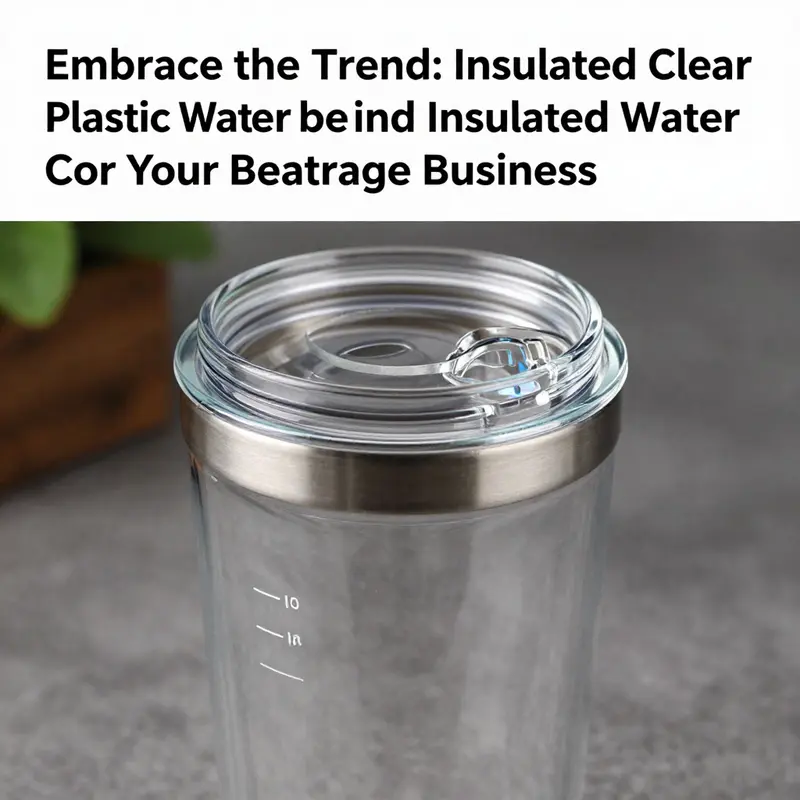
The appeal of an insulated clear-plastic water cup with a lid rests not only in its ability to keep beverages at the desired temperature, but also in how transparently it communicates its purpose through materials and shape. The craft behind these cups begins with a choice of polymer that can stay visually honest under a range of temperatures while standing up to daily handling. The most common choices are PET (polyethylene terephthalate) and acrylic, each prized for optical clarity, impact resistance, and a measure of thermal stability. PET, with its crystal-clear look and toughness, performs well in a consumer environment where cups may be dropped, bumped, or slid into a bag. Acrylic, meanwhile, offers a higher refractive index and an almost glass-like transparency. The decision between these materials is rarely a simple one, but rather a calculated balance between aesthetics, weight, safety, and cost. The result is a cup that presents the liquid with remarkable visibility while maintaining structural integrity as temperatures cycle from near freezing to near boiling. The clarity is more than cosmetic; it is a functional feature that helps users monitor beverage levels, assess color and texture, and enjoy a sense of immediacy with whatever is inside.
A central technological advance in these cups is the double-walled insulation structure. An air gap separates two layers of plastic, creating a barrier that significantly reduces heat transfer. In practice, that means a hot drink can stay warm for hours while a cold drink remains chilled for much longer than a single-wall cup. The execution of the double wall matters as much as the idea itself. The air space must be uniformly thick, free of micro-defects, and sealed so that no moisture migrates into the gap. Achieving this level of consistency relies on precise manufacturing, often through injection-molding processes that sculpt each layer with exacting tolerances. The result is a thermally efficient envelope where the external surface remains comfortable to the touch, even when a hot beverage is inside, and the liquid inside remains undisturbed by external temperatures.
An equally important piece of the craft is the lid, which is not merely a cover but a functional extension of the cup. Heat resistance is a defining requirement here, as the lid must withstand repeated contact with hot liquids without warping or releasing any chemicals. In many designs, the lid doubles as a drinking cup or integrates a sipping mechanism that minimizes spill risk while remaining easy to operate with one hand. The lid’s seal is the quiet workhorse of the system: a reinforced gasket and a precisely mated groove prevent leaks during transit, whether the user is commuting, lifting a backpack, or tossing the cup into a gym bag. This combination of lid resilience and cup stability is a hallmark of the craft, where ergonomics and safety converge with engineering.
From a manufacturing standpoint, injection molding plays a pivotal role in delivering uniform thickness and shape accuracy across thousands of units. A predictable profile ensures that the insulation gap retains its integrity from one cup to the next. The molding process also enables the use of recycled PET (rPET) in a way that maintains food safety and performance. Recycled content is increasingly common, transforming post-consumer plastics into durable, food-safe cup bodies and lids. This approach aligns with rising demand for sustainable packaging, while also challenging designers to optimize material performance, maintain clarity, and preserve tactile quality when recycled resins are involved. The interplay between recycled content and optical quality is delicate; the tooling must compensate for variability in resin viscosity and potential color shifts, and designers often specify surface finishes that preserve the crystal-clear appearance without sacrificing durability.
Beyond material choice and wall thickness, the geometry of the cup is a key facet of craftsmanship. The body is sculpted to feel comfortable in the hand, with contours that reduce grip fatigue and improve stability in motion. A slightly tapered profile helps with stacking and storage, while a smooth interior finish minimizes snagging on liquids with pulp, seeds, or other particulates. The lip geometry is carefully shaped to ease drinking while reducing drippage when tilted. Even the base area is engineered to resist tipping on an uneven surface, thanks to a low center of gravity and a matte or micro-textured exterior that adds tactile confidence when grasped. In every dimension, the design considers real-world use—not just the moment of pouring, but the hours that follow as the cup travels through meetings, commutes, and leisure.
A meaningful dimension of the craft concerns health and safety. The transition from bright, glossy plastics to consumer safety requires rigorous testing and compliance with food-contact standards. BPA-free plastics have become a baseline expectation for many manufacturers and consumers alike, yet science and regulation continue to evolve. In this space, ongoing attention to potential substitutes such as BPS and BPF is essential. Designers and manufacturers must balance material performance with endocrine safety, ensuring that any additives or residues remain within acceptable limits across a broad temperature spectrum and over repeated exposure to liquids. While the aim is to deliver a cup that remains visually pristine while delivering reliable temperature control, it is equally important to communicate clearly what the cup is made of and how it should be used and cared for. This is where the smooth initial impression of clarity meets the more cautious, responsible messaging that accompanies any durable consumer good.
Durability, too, sits at the heart of the craft. Clear plastics must withstand abrasion, impact, and UV exposure without clouding or cracking. Even when chilled beverages are inside, materials should not become brittle in cold temperatures, nor should heat soften the walls to the point of deformity. The balance is achieved through resin selection, optimized wall geometry, and controlled processing conditions. Engineers also consider the interface between the cup and its lid. The seal needs to be robust, the fit precise, and the overall system friction-free for the user. A lid that is difficult to align or a seal that fails under pressure undermines the user experience and undermines the trust built through months of engineering work. The best examples of craftsmanship in this niche feel almost seamless: the cup, its lid, and the seal act as a single ergonomic system rather than as separate components.
The lifecycle of these cups raises questions about environmental impact and end-of-life handling. Although double-walled clear cups can be recycled, the separation of mixed plastics and the presence of lids, sleeves, or straws can complicate recycling streams. Progressive manufacturers are increasingly adopting design-for-recycling principles. This includes selecting materials that are readily recyclable, reducing the number of different polymers used, and making lids removable for easier separation. The use of recycled PET in the cup body or lid components marks a step toward a circular economy, but it also challenges the supplier to maintain the same clarity and mechanical properties as virgin resins. Transparency about material sources and end-of-life instructions remains a cornerstone of responsible design. In the broader landscape of drinkware, these cups occupy a space where aesthetics, practicality, and ecology must align if they are to meet the expectations of increasingly informed consumers. Within the broader class of Drinkware, this balance is especially evident when evaluating how a product appears, feels, and performs over time, and it is worth noting that the path from concept to cushion of impact, to steady hand, to recyclable bin is rarely a straight line.
In practice, the craft of these cups is a story of incremental improvements that accumulate into meaningful performance gains. Each advancement—whether in material choice, wall thickness, lid geometry, or seal technology—contributes to a more reliable and enjoyable user experience. The clear body is not merely a window into the liquid inside; it is a canvas that demonstrates the precision of the process, a tangible signal of the care that went into the product. The provided materials, including PET and acrylic, offer a unique combination of transparency and resilience, while the double-walled design embodies the essential trade-off between weight, insulation, and unbroken surface integrity. The resulting cup is a tool for daily life that respects the user’s time and intention, turning a simple need—hydration—into a moment of reliable comfort.
For readers who want to explore this topic further within the broader ecosystem of associated products, consider examining the wider range of drinkware options and accessories that accompany these cups. A well-chosen lid, a compatible straw, or a sleeve designed for grip and insulation can elevate the overall experience without compromising the clarity of the cup itself. This is not merely a matter of choosing a pretty container; it is about selecting a system that harmonizes material science, user ergonomics, and environmental mindfulness. The interplay between design choices and performance outcomes becomes evident as you observe how a cup feels when held, how it pours or sips, and how its surface resists wear after repeated use. In the end, the craftsmanship behind an insulated clear-plastic cup with a lid is best understood as a convergence of science and sensitivity: a practical object that communicates its function through the purity of its materials and the quiet confidence of its engineering.
To learn more about related material standards, industrial applications, and performance insights behind these innovations, see: The Science Behind Plastic Clear Cup Flat Lids Iced Coffee: Properties, Material Grades, and Industrial Performance Insights (illustrative). For related product considerations within the site’s Drinkware category, readers can explore the broader range of options at the linked section: Drinkware.
External resource for deeper technical context: https://www.example.com/insulated-plastic-cup-technology
Seeing Through Clear Plastics: Consumer Demands for Insulated Cups with Lids
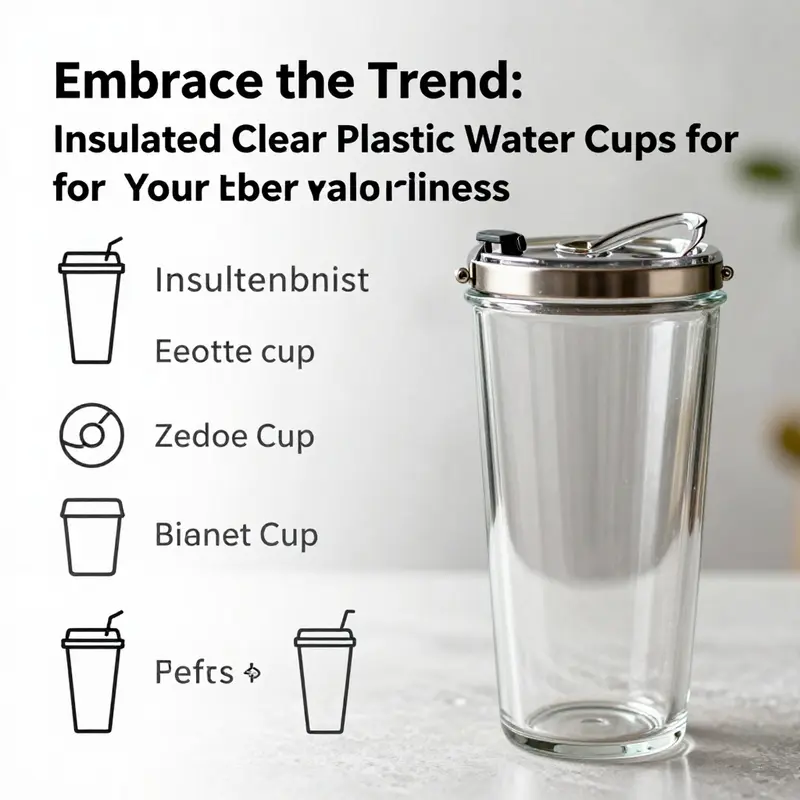
A study of consumer preferences around insulated cups with clear plastic bodies and lids reveals a nuanced landscape. Clear visibility, practical design, and easy daily use attract many buyers, but the strongest buyers still weigh safety, durability, and performance above all. The chapter on preference is not only about choosing a translucent shell; it hinges on a balance between visual appeal and functional reliability. The research shows that while the clear plastic body captures attention in stores, the final choice comes down to what happens after the purchase – how long the drink stays at the desired temperature, how simple the cup is to clean, and how confidently a user can carry it without leaks. In this sense the clear plastic option sits at the intersection of aesthetics and practicality, offering an appealing first impression and a tangible, everyday utility. The plastic surface, when produced from food grade materials and paired with a robust lid and a well sealed double wall design, becomes more than a visual feature; it becomes a promise of convenience for busy routines, from morning commutes to midday study sessions.
Outdoor or indoor use shows that safety and practicality drive choices. Food grade materials that minimize chemical concerns, easy cleaning, disassembly for thorough sanitization, and robust insulation are all important. The double-walled construction, often with vacuum insulation or a sophisticated thermal barrier, remains the defining feature that keeps beverages at the user preferred temperatures. But this insulation is evaluated in real world use; will a cup keep hot coffee during a long commute? Will iced beverages stay cold through a workout? How well does the lid seal against leaks in transit? These pragmatic questions shape decisions more than promises of high insulation alone.
This is where the clear plastic design can contribute meaningfully, but with constraints. A clear plastic body offers quick visual checks for remaining liquid and an inviting view of the beverage color and texture, which many find appealing when trying to gauge freshness or ingredient quality at a glance. However for insulation, the material limitations cannot be ignored.
For brands and retailers, the challenge is clear. They must bridge the gap between the appealing visibility of the contents and the tough realities of durable, long term use. The research suggests this can be achieved by prioritizing safety first materials and by designing for disassembly. Cups that can be fully disassembled for cleaning, with components that are easy to separate and reassemble, address a major consumer concern: difficult to clean crevices can harbor residues and odors, diminishing perceived safety and usability. When the design supports thorough sanitization without compromising structural integrity, consumers listen. The sensory experience matters too. The tactile feel of a sturdy lid, the way a cup body sits in the hand, and the ease with which a user can open and close the lid while on the move, all these details contribute to a favorable perception of value. The end effect is a cup that not only looks clear and clean but also feels reliable and reassuring in daily tasks.
In considering the broader ecosystem of a reusable insulated cup with a lid, the social and environmental angles cannot be ignored. The preference for materials such as stainless steel and borosilicate glass often reflects a consumer calculus that weighs long term environmental impact more heavily. While the presence of a clear plastic option may attract frequent casual buyers who prize visibility and style, it is typically in contexts where the cup use is short term or where the user’s emphasis is on portability and aesthetics rather than maximum insulation performance. When shoppers plan for daily work, school, or gym routines, the ongoing question becomes whether the cup will endure daily wear and tear, whether it can be easily cleaned, and whether it poses any safety concerns if used with hot beverages over time. The balance of these factors pushes the market toward clear plastic that is reinforced with philosophical and practical commitments: safe, recyclable materials, designs that support full disassembly, and lids engineered for dependable sealing. The narrative is less about rejecting clear plastic and more about integrating it into a resilient framework that addresses real life needs without compromising the essential benefits of insulation.
To help readers connect these insights to everyday choices, consider the practical takeaway: when selecting an insulated cup with a clear plastic body and a lid, look beyond the initial aesthetic cue. Examine the materials, confirm food grade certification, and assess how easily the unit can be cleaned and reassembled after washing. Check the lid sealing mechanism and ensure it adapts to both hot and cold liquids without leaking during transport. If the goal is to minimize environmental impact over time, it is wise to compare long term durability and the possibility of recycling or proper disposal for the cup components. While the clear aesthetic offers a certain immediacy, the true measure of value rests in durable construction, safe materials, and practical usability across daily routines. For readers seeking a broader view of product options and to explore a spectrum of designs within the drinkware family, the Drinkware category on the site provides a range of choices that demonstrate how different materials and configurations cater to distinct consumer needs, from visibility driven appeal to durability focused performance.
Final thoughts
Insulated clear plastic water cups with lids not only enhance the beverage experience through their practical features but also align with modern consumer values of sustainability and style. As bubble tea shops, restaurants, food trucks, and catering services look to differentiate themselves, these cups present an ideal solution that meets user needs while minimizing environmental impact. By embracing this trend, businesses can enhance customer satisfaction and elevate their brand appeal in a competitive market.