

Clear plastic food containers are essential in the beverage industry, particularly for bubble tea shops, restaurants, food trucks, and catering services. Understanding the different materials like PET, HDPE, PP, and PLA can enhance your packaging choices, ensuring that your products are both appealing and functional. In examining applications across various industries, we also highlight unique features that cater to specific needs. As we delve into environmental considerations, we’ll explore the recycling aspects and biodegradability of these materials. Finally, complying with regulatory standards is crucial for health and safety. This article will provide vital insights to enhance your decision-making process in selecting the right clear plastic containers for your business.
Seeing Through Storage: The Material Truth Behind Clear Plastic Food Containers (PET, HDPE, PP, and PLA)
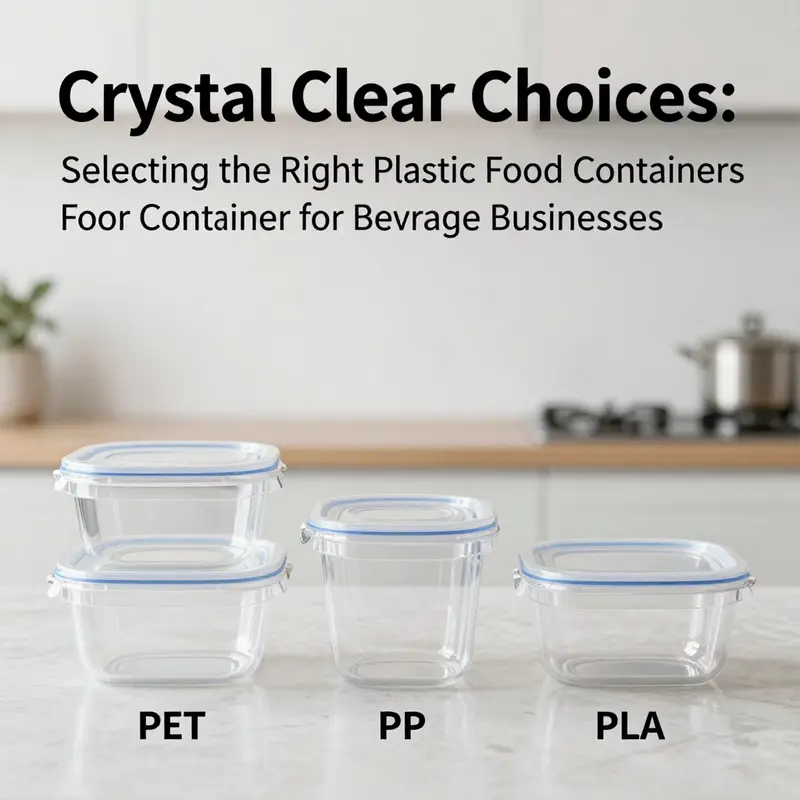
Transparency is more than a visual cue when it comes to clear plastic food containers. It is a functional attribute that influences consumer perception, product appeal, and even the pace at which perishable foods move from shelf to table. In the modern supply chain, the choice of material for a clear container is not a mere afterthought; it is a core design decision that intertwines visual clarity with mechanical performance, temperature tolerance, and environmental responsibility. The dominant materials PET, HDPE, PP, and PLA each bring a distinct mix of properties that suit different storage needs, processing environments, and end-of-life realities. For engineers tasked with turning a simple bowl or clamshell into a reliable storage device, these materials function like tools in a craftsman’s kit. The challenge lies in matching the right material to the intended use, balancing how foods look through the container with how long they stay safe, fresh, and appealing on the shelf or in a refrigerator.
Petroleum-based clarity often begins with PET, or polyethylene terephthalate, which is prized for its glass-like transparency and light weight. When a consumer looks into a packaged salad or a fruit tray, the appeal hinges on that almost crystal-clear window that showcases color, texture, and freshness. PET’s barrier properties are a strong advantage here: it resists gas and moisture transfer relatively well, helping to preserve the appearance and sensory attributes of cold foods and beverages over short to moderate storage periods. Yet clarity comes with limits. PET’s heat resistance is modest, and it does not fare well under high-temperature conditions. The material’s performance degrades with heat, which complicates uses like reheating or hot-filled products. Odor transfer is another practical consideration; PET can absorb or convey strong aromas over time, subtly influencing future applications or flavor perceptions in, say, a stored ready-to-eat item. Recycling is a bright spot for PET, as its stream is well-established in many systems, enabling a circular approach that aligns with mass-production practices and consumer expectations for recyclability. But the food-packaging landscape does not rely on PET alone; if vision is to be matched with resilience, other polymers enter the stage.
HDPE, or high-density polyethylene, answers the call for rigidity, durability, and chemical resistance. It is the stalwart for containers that must withstand rough handling, impact, and exposure to various substances without compromising safety. HDPE containers are often less transparent than PET; their opacity is a trade-off that designers accept when the priority shifts toward ruggedness and long-term storage. UV protection is a standout feature of HDPE; these containers can resist sunlight-induced degradation that would otherwise compromise both appearance and structure during display or transport in outdoor or well-lit environments. Heat tolerance is another differentiator. While HDPE is not typically microwave-safe for all applications, it can tolerate higher temperatures than PET in many scenarios, enabling some use cases for dairy products, sauces, and soups in reusable or semi-reusable formats. This versatility is why HDPE remains a backbone in rigid packaging, including certain clamshells and durable storage solutions. Like PET, HDPE is widely recyclable, and its robust chemistry helps ensure long service life in demanding settings, which can be a decisive factor for institutions, retailers, and households that prioritize longevity.
Polypropylene, PP, presents a compelling middle ground with notable strengths in clarity, heat resistance, and chemical stability. It is widely used where containers must endure microwaves, dishwashers, and freezer cycles. The higher heat tolerance of PP makes it suitable for hot-fill products and reheatable meals, expanding its utility into both consumer meal-packaging and reusable storage. In terms of mechanical performance, PP blends stiffness with resilience, contributing to containers that resist cracking while maintaining a relatively high level of transparency. This material supports vented designs in some applications, where controlled air flow helps manage moisture and odor before and after opening. The versatility of PP is amplified by its compatibility with recycling streams, though the exact end-of-life outcomes depend on local infrastructure and the specific grade used. From a design perspective, PP invites a broader spectrum of use cases, including portioned meals, takeout packaging, and durable, reusable storage solutions that must withstand repeated cycles of use and washing without compromising clarity or safety.
PLA, polylactic acid, introduces a different axis of consideration altogether: sustainability through renewable feedstocks. Derived from plant-based resources like corn starch, PLA is transparent and increasingly embraced for eco-conscious packaging. It can provide the visual appeal of clear packaging while offering a compostability pathway under industrial conditions. For short-term storage or ambient-temperature applications, PLA can perform admirably, aligning with consumer preferences for environmentally friendly options. However, its heat resistance tops out lower than that of PET, HDPE, or PP, making it less suitable for hot foods, microwaving, or long-term high-temperature exposure. In practical terms, PLA’s role often centers on single-use applications at events, venues, or retail settings where compostability adds value without demanding heat tolerance. The sustainability story of PLA is compelling, but it requires careful alignment with the intended use, the available composting infrastructure, and the regulatory framework surrounding compostable materials.
As these materials populate the spectrum of clear food containers, the engineering conversation expands beyond simple aesthetics. Clarity, of course, remains a governing parameter. PET delivers exceptional visual appeal, with the closest mimicry of glass among the mainstream options. Yet clarity is not a standalone virtue; it interacts with barrier performance, odor control, and mechanical integrity. When a container must maintain product integrity during refrigeration or cold-chain transport, moisture and gas barriers become decisive. In this regard, PET often shines for beverages and fresh produce where the product’s appearance is a selling point. But if microwave compatibility or higher-temperature processing is essential, PP or HDPE may take precedence, depending on the exact temperature profile and the required level of chemical resistance. In many cases, designers must temper high clarity with heat stability, a trade-off that guides material choice and sometimes spawns hybrid approaches, such as multi-layer structures or combinations of a clear lid with a sturdier base.
The functional requirements of a container—tight seals, leak resistance, venting for moisture management, and compatibility with consumer handling—shape the material selection just as much as aesthetics. The closure system matters; some designs rely on snap-fit or threaded closures, which interact with the base material’s rigidity and the seal’s long-term performance. Air holes or ventilation features, common in certain PP and PLA containers, acknowledge the realities of food storage where moisture and odor management are essential for consumer satisfaction. The choice of material thus influences how a container performs under real-world conditions: how well it resists crushing in a packed fridge, how quickly it defogs after removal from a cold environment, and how safely it handles the heat of a quick reheat or a hot-dish transition. Temperature profiles—the expected maximum temperatures, the duration of exposure, and the post-exposure cooling rate—become a central axis around which the practicalities of storage revolve.
From a safety and regulatory standpoint, clear plastic food containers must be compatible with direct contact food use. This is not merely a marketing standard; it is a regulatory one. The FDA’s framework for food contact materials outlines which substances may migrate under defined conditions, and it anchors the selection process in a science-based context. The Plastics Industry Association’s technical guidance often complements this by documenting material grades, intended uses, and typical performance metrics across consumer and industrial packaging. Engineers and procurement specialists draw on these sources to determine if a given polymer will meet the product’s shelf life, handling, and disposal expectations. The interplay between regulatory compliance, performance, and sustainability becomes a guiding compass for decisions that might otherwise be driven by appearance alone.
In practice, the materials intersect with the life cycle of food packaging. PET’s advantages in clarity and barrier strength pair well with short-term, visually appealing retail packaging and ready-to-conserve items that require clean, crisp presentation. HDPE’s resilience and chemical resistance suit long-term storage and more rugged handling environments, while also enabling a broader temperature window for certain applications. PP extends reach into microwave-ready and reusable contexts, offering a resilient platform for everyday meals and durable, reusable containers. PLA introduces a forward-looking path for sustainability, even as its heat and end-of-life limitations demand careful alignment with the intended use case and available composting infrastructure. The nuanced balance among these materials—clarity, heat resistance, mechanical strength, and environmental impact—reflects a broader design philosophy: clear packaging is not simply about seeing the product; it is about calibrating a package’s entire performance envelope to the food’s journey from production to consumption and beyond.
The future trajectory of clear plastic food containers is likely to hinge on materials science breakthroughs that expand heat tolerance and optimize barrier properties without sacrificing transparency. Innovations may also intensify the pursuit of recyclability and compostability across more grades and supply chains, enabling greater alignment with circular economy goals. For now, designers must weigh trade-offs in a pragmatic way—clarity versus heat resistance, rigidity versus resilience, single-use convenience versus end-of-life responsibility. The chapter of clear plastic packaging remains an evolving narrative, one that hinges on how well a material can protect flavor and safety while preserving the sensory appeal that transparency offers. When these equations align, the container not only preserves the food; it also preserves the story of that food—from pristine visuals on the store shelf to the satisfaction of a safe, fresh dining experience.
For readers seeking a concrete example that illustrates these principles in a catalog of packaging options, a resource that highlights the nuanced relationship between material choice and product format can be instructive. See this example of a clear-plastic combination in pastry and dessert packaging, which demonstrates how a design can balance visibility, protection, and sustainability considerations within a single solution: clear-plastic combo pastry dessert cake food container packaging. This reference showcases how transparency, resilience, and user convenience can converge in a practical container design, even as other packaging components—like the outer kraft paper or additional barrier layers—continue to fulfill broader sustainability or branding goals. External resources that deepen the regulatory and technical context can be consulted to ground these decisions in established guidelines; see the Plastic Packaging Institute’s material guide for food containers for a comprehensive overview of typical grades, safety considerations, and industry standards.
Seeing Through Safety: The Science, Design, and Sustainability of Clear Plastic Food Containers Across Industries
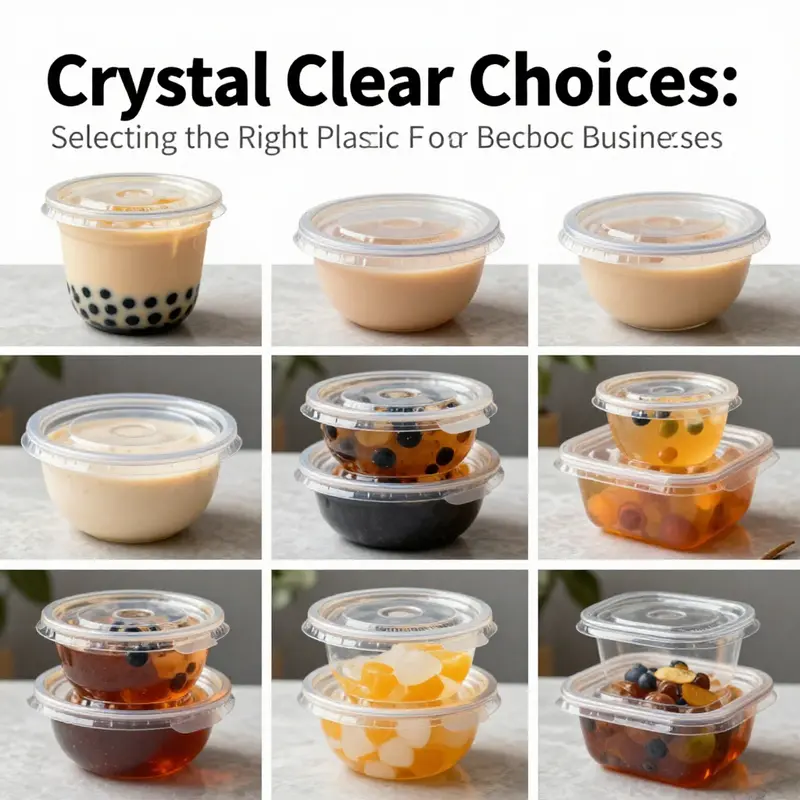
Clear plastic food containers do more than hold food; they frame perception, influence choices, and shape everyday routines from kitchen drawers to supermarket aisles. Their transparency invites the eye to judge freshness, color, texture, and quantity at a glance, turning packaging into a visual shopper and a practical tool for households that want to minimize waste. Yet behind that crystal clarity lies a web of material science, engineering trade-offs, and regulatory demands. The chapter that follows moves through these layers in a unified narrative, tracing how a single material class can meet the needs of a fast-paced food landscape while negotiating heat, shelf life, mechanical stress, and a growing demand for sustainability. It is a story of compatibility: how chemistry, manufacturing, and user behavior coalesce to produce containers that are not only clear and safe but also durable, economical, and responsibly managed over their life cycle.
At the heart of clear plastic food containers are a handful of polymers chosen for their balance of optical clarity, safety, and performance under real-world conditions. Polyethylene terephthalate, or PET, dominates the category in part because its transparency is almost unrivaled. When a consumer looks at a fruit tray or a salad container, the product inside is rendered vivid and inviting, a property that supports both merchandising and consumer satisfaction. PET’s barrier properties limit the ingress of oxygen and moisture to a degree, helping to preserve freshness and extend shelf life in many refrigerated or ambient storage scenarios. Its impact resistance and rigidity also translate into reliable stacking and transport, reducing the risk of breakage and the cost of breakage-associated waste. The flip side is heat: PET’s heat resistance is respectable for many uses but not ideal for high-temperature applications or microwaving, which can lead to deformation or safety concerns if hot contents are introduced directly into PET containers.
High-density polyethylene, or HDPE, presents a different but complementary set of strengths. It is famously tough, with excellent chemical and moisture resistance that makes HDPE containers particularly suitable for longer storage in lockers, freezers, or industrial settings where rough handling is a possibility. In many clear or semi-clear designs, HDPE sacrifices a touch of optical clarity for durability, a trade-off that can be critical in applications where leakage resistance, scuff resistance, or repeated use matters as much as visibility. HDPE’s recyclability is another practical advantage; it locates itself well within established recycling streams, a feature increasingly valued by brands seeking to close the loop in consumer packaging. Yet the slight opacity of HDPE can be a drawback when visibility truly matters, such as in cases where product appearance is a major selling point.
polypropylene, or PP, is often described as a middle path between PET and HDPE. It offers a useful blend of clarity, mechanical strength, and heat resistance that makes it well suited to both single-use packaging and reusable containers. PP’s higher heat tolerance supports microwave-safe and dishwasher-safe applications, expanding the range of contexts in which a clear container can be used in everyday and commercial settings. In addition to its clarity and resilience, PP lends itself to design innovations such as vented lids or air-vented containers that help regulate moisture and airflow for particular foods. These vent features are especially valuable in industrial and culinary contexts where food products must breathe to maintain texture and reduce sogginess during transport or service.
Polylactic acid, or PLA, brings a renewable-resource narrative into the mix. Derived from plant-based feedstocks like corn starch, PLA is transparent and designed to appeal to eco-conscious packaging programs. PLA can suit short-term, ambient, or chilled storage, aligning with consumer expectations for sustainable packaging. However, its low heat resistance means high-temperature use is limited, and some industrial composting conditions are required to break it down efficiently. PLA’s appeal often centers on end-of-life considerations rather than peak performance in the conductor of a kitchen appliance; it represents a practical step toward reducing fossil-fuel dependence, even as it introduces its own set of handling and disposal complexities.
Even as PET, HDPE, PP, and PLA define the core set of materials for clear containers, the broader family sometimes includes food-grade ABS or polycarbonate in niche applications. These materials can offer exceptional clarity or toughness, but their use in direct food contact invites careful review of regulatory guidance and consumer safety considerations. The overarching point remains constant: the choice of material is a balance act. Designers weigh how much clarity is necessary to support visual inspection, how much heat or chemical resistance is required for the intended use, and how the material will perform across the product’s life cycle—from filling to display to storage and beyond.
Beyond the raw materials lies the art and science of turning resin into reliable containers. The shape, wall thickness, and closure design are not mere aesthetics; they determine how a container performs in the wild. Injection molding can yield precise profiles for crisp edges, integrated ribbing for stiffness, and ergonomic lids that snap on with secure torque. Blow molding can produce uniform walls that minimize optical distortion, which is critical when transparency must convey freshness and quality. The mechanical interplay matters: a sturdy lid that resists leakage, a seal that remains intact after repeated cold storage and gentle handling, or a vented cap that maintains texture in leafy salads while keeping the contents visually accessible. The design extends to practical details like the depth of the container, which must balance portion size with the pleasing reveal of the food inside, and the weight distribution that affects palletization, shipping, and handling in busy kitchens or consumer homes.
Applications across industries reveal how the same materials and design principles adapt to very different demands. In the food and beverage sector, the primary value of clear containers is direct product display. Consumers are drawn to the color, gloss, and texture of the contents; a jar of honey or a pouch of sauces gains visibility that can influence purchase decisions. For storage and preservation, the clarity helps households and retailers identify contents at a glance, supporting efficient inventory management and reducing waste. Meal kits and ready-to-eat options lean on transparent, stackable, and leak-resistant designs that maintain presentation while simplifying logistics. In retail and grocery, clear bins and trays enable customers to inspect produce, meat, and dairy without exposing products to contamination risks, while shelf appeal and branding through clear packaging can be a competitive differentiator. The medical and pharmaceutical sector also borrows from food-grade practices, relying on clear, safe containers for sterility and rapid visual checks of contents during handling, transport, and storage. In household and personal care, transparent jars and bottles let consumers monitor product levels, guiding usage and reducing waste in daily routines.
The core features that drive adoption of these containers go beyond looks. Clear plastic packaging must meet stringent safety and regulatory expectations so that a consumer can trust it with food contact. Modern formulations for PET, PP, and related materials are designed to be non-toxic and odorless, with regulatory support that underpins their use across international markets. Durability and strength enable handling through production, distribution, and consumer use without excessive breakage or deformation. The light weight of plastics compared with glass translates into lower shipping costs and less energy in distribution, a practical advantage in a logistics-heavy food landscape. The ability to mold these polymers into varied shapes—ranging from compact single-serve cups to large, vented takeaway containers—mirrors the flexibility demanded by diverse product formats and service models.
Sustainability remains a central thread in the narrative of clear plastic containers. The packaging industry has shown a collective push toward recyclability and circularity, with PET standing out for its high recycling rates and potential for rPET content. Recycled PET can close the loop by returning post-consumer material into new containers, a pathway that reduces virgin resin demand and lowers the overall environmental footprint. PLA, positioned as a bio-based alternative, introduces perceptions of compostability and renewable sourcing, even as end-of-life realities vary by municipal composting capabilities. The trade-off discussions extend to heat and barrier performance, where some applications may require polymer blends or multi-layer designs to balance transparency, mechanical strength, and barrier performance while still enabling recyclability or compostability where feasible. The growing emphasis on responsible packaging means designers increasingly consider the whole life cycle—from raw material extraction to manufacturing, distribution, consumer use, and end-of-life management—so that the benefits of clarity do not come at the expense of sustainability goals.
To bring a concrete sense of how these choices show up in practice, consider how a clear container functions in a quick-service or take-away setting. The container must be visually appealing, food-safe, and robust under transport. It must survive refrigeration and occasional microwave use without warping, while the lid seals tightly enough to prevent leaks. In some cases, vented designs help manage moisture and preserve texture for delicate items, a feature that blends material selection with thoughtful interior geometry. The success of such containers often hinges on harmonizing several design levers at once: optical clarity, temperature tolerance, mechanical resilience, leak resistance, and an alignment with recycling streams and end-of-life options. For readers curious about real-world examples of clear, food-grade takeaway ware, a representative option is accessible here: food-grade takeaway bowls. This link illustrates how packaging designers convert material science into functional, adaptable containers that support fast service while maintaining safety, quality, and user satisfaction.
As markets evolve, the trajectory for clear plastic food containers seems poised to hinge on smarter material choices, smarter design, and smarter management of waste streams. The ongoing challenge is to preserve the advantages that transparency brings—visibility, trust, and appeal—while addressing heat tolerance constraints, end-of-life considerations, and the imperative to reduce environmental impact. Emerging innovations in barrier technology, surface treatments, and resin systems promise to expand the range of foods and use-cases that can confidently rely on visually clear packaging. At the same time, advances in recycling infrastructure, consumer education about recyclability, and corporate commitments to sustainable packaging strategies will shape how much of that clarity can be kept intact through the product’s journey from the factory to the table. In this balancing act, accurate material selection, thoughtful engineering, and a clear-eyed view of lifecycle outcomes will determine whether a container remains a practical workhorse of modern food systems or becomes a symbol of the trade-offs that the industry must steadily reduce.
For readers seeking deeper technical grounding on the primary material discussed here, the PET–plastic properties and their implications for food contact are explored in industry literature and technical reference resources. A detailed external overview of PET properties and uses provides broader context for how chemistry translates into everyday packaging choices: https://www.plasticsengineering.org/pet-plastic-what-it-is-its-properties-and-uses/.
From Clarity to Responsibility: Navigating the Environmental Footprint of Clear Plastic Food Containers
Clear plastic food containers captivate the eye with their transparency. They invite trust by allowing consumers to inspect freshness, ripeness, and portioning before a purchase or a meal is opened. Yet behind that visual appeal lies a complex challenge: the environmental footprint of clear plastics, and the practical realities of recycling streams and end-of-life fate. This chapter examines how the common clear plastics—principally PET and HDPE, with secondary roles played by PP and PLA—shape not only storage convenience but also the broader conversation about sustainability in food packaging. It is a narrative that threads material properties, consumer behavior, waste management realities, and design choices into a single continuum. In doing so, it remains faithful to the idea that packaging choices today ripple through ecosystems, economies, and future design opportunities as much as they do through kitchen counters and supermarket shelves.
PET’s allure lies in its clarity and its safety for direct food contact. When a tray showcases fruit or a salad, the viewer can gauge the contents without removing a seal or opening a lid. PET’s impact resistance also makes it a dependable workhorse for rigid, transparent packaging that travels through cold chains and retail displays. From a materials science standpoint, this clarity is a direct advantage in marketing and perceived freshness. However, PET’s heat resistance is comparatively limited. High-temperature exposure, such as microwave reheating in the consumer’s kitchen, can compromise performance and, in some cases, lead to deformation or material breakdown. This limitation is not merely about convenience; it translates into energy usage and waste when alternatives are sought for hot-fill or reheating scenarios. The environmental implications become more pronounced when one considers end-of-life processing. PET is recyclable, a critical attribute that allows a second life in the circular economy, but recycling is not a universal certainty in every municipality. Contamination, mixed-material streams, and the sheer volume of single-use PET packaging can erode the efficiency of recycling systems. The result is a paradox: a material that can be recycled in principle may underperform in practice due to stream quality, sorting challenges, and consumer disposal habits.
HDPE, by contrast, is celebrated for its toughness and chemical resistance. It often yields more durable containers, clamshells, and rigid packaging that resist leakage and microbial ingress. In many food-service contexts, HDPE’s opacity is a practical trade-off for durability and reliability. The opacity can be a drawback wherever high clarity is essential—such as premium fruit displays or transparent meal kits that rely on visual appeal to entice purchase decisions. The environmental story of HDPE is nuanced. It is widely recyclable, and its resistance to moisture helps ensure product integrity during transport. Yet, achievements in recycling depend on robust municipal programs and consumer participation. HDPE’s mechanical resilience translates into longer service life in reusable applications, which can be a meaningful sustainability strategy when designed as part of a take-back or refill system. Still, the same durability that serves reuse programs can complicate disposal if the material cannot be separated cleanly from other streams during recycling.
Polypropylene (PP) presents a middle ground—a versatile polymer that reconciles clarity and strength with improved heat resistance relative to PET and HDPE. In many packaging formats, PP is chosen for microwave-safe and dishwasher-safe applications. This capability aligns well with consumer expectations for convenience, allowing reheating without sacrificing container integrity. The transparency of PP—though not as vivid as PET in some formulations—still offers a sufficient degree of visibility for consumer confidence. PP’s recyclability also supports a circular approach, especially where designs minimize the need for composite materials that complicate separation. Some PP containers employ air holes or vented features to address ventilation needs in industrial or fresh-food contexts, a reminder that structural design can affect both performance and end-of-life fate. However, even with PP’s favorable blend of properties, the broader environmental question persists: how often do we recover these containers, and at what quality, when mixed with other plastics or paper streams?
PLA introduces a different dimension altogether. Derived from renewable resources like corn starch, PLA is attractive for those pursuing bio-based and compostable packaging narratives. PLA’s transparency remains high, and for short-term storage in ambient or chilled conditions, it can be a compelling option. Yet its limitations are pronounced when heat is involved. PLA’s thermal resistance is notably lower than that of PET or PP, and it can degrade or lose mechanical performance under higher temperatures. This makes PLA less suitable for long-term storage in warm environments or for hot-fill processes. More importantly, the end-of-life story for PLA is not simply “compostable” in all settings. Industrial composting facilities, which provide the conditions required for PLA to break down, are not universally accessible. In home composting environments, or in depolymerization streams designed for petroleum-based plastics, PLA can persist rather than degrade as intended. The environmental claim of PLA, therefore, depends heavily on the local waste-management infrastructure—an important caveat for engineers and marketers who seek to align packaging with concrete recycling or composting pathways.
Designers and engineers navigating these materials continually juggle a matrix of factors: the required clarity for consumer appeal, the temperature range of use, mechanical demands during transport, and, crucially, environmental impact. A clear container must not only show its contents but also be designed to fit into a realistic end-of-life route. The closest alignment often emerges when packaging is designed for recycling, with minimal contaminant streams and straightforward material separation. In practice, this means prioritizing single-material configurations when possible, avoiding multilayer composites that hinder recycling, and considering the entire life cycle from the earliest design stage. Features such as leak-resistant closures remain essential for preventing product loss and contamination, yet they should be selected with downstream processing in mind. In some contexts, air-hole designs or vented PP structures serve specialized needs—particularly in industrial environments where ventilation is critical—while simultaneously inviting consideration of how such features affect recyclability and downstream handling.
Consumer behavior represents another critical hinge. Even the most recyclable or compostable packaging can fail if disposal habits are misaligned with local infrastructure. The lack of standardized labeling and consumer confusion around proper disposal complicates efforts to recover materials efficiently. Clear, consistent guidance on recycling streams, compostability, and labeling can improve outcomes, but only if it is matched by accessible infrastructure. This confluence of design, behavior, and policy frames the practical reality: even recyclable plastics do not automatically translate into reduced environmental burden without coordinated systems for collection, sorting, and processing. In this sense, the environmental footprint of clear plastic containers is not merely a property of the polymer; it is an emergent property of supply chains, municipal programs, and consumer routines.
From a lifecycle perspective, the “visibility” advantage of PET, PP, and similar materials becomes a double-edged sword. Visibility supports product appeal and food safety, yet it also intensifies scrutiny of disposal choices. If a container enters the waste stream with other plastics or with contaminants, its recyclability can be compromised, diminishing the value of the recovery stream and increasing the likelihood that material ends up in landfills or incineration. Microplastics emerge as a concern when plastics degrade under heat, UV exposure, or mechanical abrasion. The gradual release of microplastics into soils and waterways is a growing area of environmental science, with implications for ecosystems and human health. While PET and HDPE themselves have long track records of recyclability, the integrity of the recycling stream—and the uniformity of the polymers collected—plays a decisive role in determining downstream outcomes.
To translate these insights into practice, designers must engage with standards and guidance. Authorities such as the FDA’s Food Contact Substances Database provide a framework for assessing safety in direct contact with food, while industry bodies outline best practices for material performance, recyclability, and sustainability. The overarching goal is to align material choices with real-world end-of-life systems, recognizing that a container’s journey does not end at the point of sale. It ends in a network of recovery, processing, and potential reuse or repurposing. In this sense, the environmental considerations of clear plastic containers extend beyond the shelf and into the waste-management ecosystem that serves communities and the planet.
This broader perspective invites a practical, design-forward approach. When possible, selecting materials with well-established recycling pathways can ease the burden on consumers and waste-management systems. Where heat resistance or microwave compatibility is essential, PP or carefully engineered PET formulations may offer a better balance between functionality and recyclability than alternatives that perform well only under limited conditions. For applications where compostability is a primary objective, PLA can be attractive, but designers must be transparent about the required processing environment and the limitations in residential settings. In all cases, simplifying the material mix and reducing reliance on multilayer, intractable composites helps ensure that the container’s life cycle remains as streamlined as possible. The implicit invitation is to design with end-of-life in mind, to communicate clearly with users about disposal, and to support local programs that can actually recover the material value embedded in these containers.
A practical example of eco-conscious packaging choices can be seen in a recent industry offering focused on combining biodegradable papers with clear components, illustrating how the market experiments with hybrid systems to balance performance with end-of-life clarity. This kind of packaging concept demonstrates how manufacturers are exploring hybrids to address performance needs while signaling a reduced environmental footprint. It is not a universal remedy, but it signals a direction: the serrated edges of debate between clarity, durability, and recyclability are gradually being softened by thoughtful design choices that respect both consumer expectations and waste-management realities.
The environmental considerations of clear plastic containers are inseparable from the broader policy and research landscape. For a more expansive view of plastic waste management and disposal pathways, see the U.S. Environmental Protection Agency’s Plastic Waste guidelines. This external resource contextualizes the practical limits of recycling programs, the challenges of contamination, and the importance of consumer education in improving material recovery. As the chapter has shown, the path from clear, appealing packaging to a cleaner environment is not a straight line. It requires cooperation among designers, manufacturers, policymakers, and communities to align product performance with feasible end-of-life routes. In that convergence lies the opportunity to transform a simple container into a catalyst for sustainable practices, a small but meaningful link in the chain toward a more circular economy.
In sum, clear plastic food containers embody a tension between visibility, performance, and environmental responsibility. PET, HDPE, PP, and PLA each offer distinct advantages and limitations that influence not only how food is stored and transported but how packaging participates in the waste system. The practical takeaway for engineers and designers is to pursue clarity that can be matched with recyclability, to favor single-material or easily separable designs, and to communicate disposal expectations clearly to consumers. The journey from shelf to recovery is shaped by material choice, product design, and the infrastructure that supports end-of-life processing. When these elements converge, clear plastic containers can remain a trusted ally in the kitchen while contributing more responsibly to the world beyond it.
Clear Compliance: How Regulatory Standards Shape Safe, Transparent Food Containers
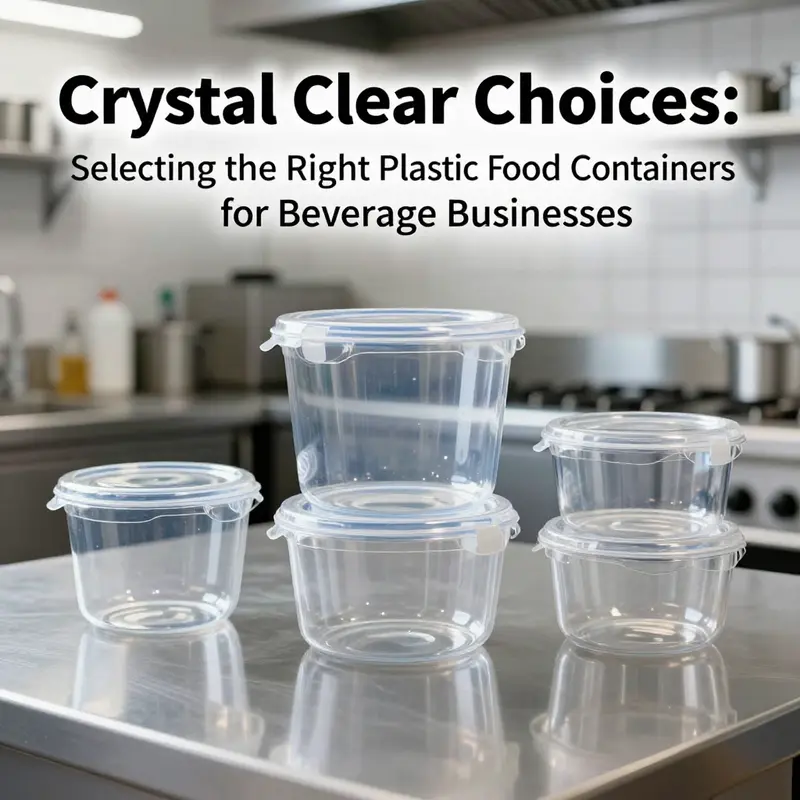
The demand for clear plastic food containers rests on two seemingly simple features: visibility and reliability. Consumers want to see what they buy, and manufacturers want packaging that protects freshness, prevents leaks, and endures routine handling from shelf to plate. But visibility cannot substitute for safety. In the modern supply chain, regulatory standards and safety considerations operate as a unified discipline that governs what materials can touch food, how those materials behave under different conditions, and the environmental footprint of the packaging that surrounds meals, snacks, and ingredients. This chapter traces how regulatory frameworks and scientific testing translate into the concrete choices engineers make when selecting clear plastics for food contact, why some polymers are favored for specific uses, and how safety, performance, and sustainability intersect in real-world applications.
At the core of regulatory decision-making are four widely used polymers in clear food containers: PET, HDPE, PP, and PLA. Each brings a distinct balance of clarity, strength, heat tolerance, and environmental profile, and each carries regulatory implications shaped by its chemical composition and migration behavior. PET is renowned for its exceptional transparency, which makes it an excellent vehicle for attractive fruit trays, fresh-cut produce, ready-to-eat meals, and beverage packaging where the visual appeal matters as much as the barrier properties. Yet PET’s heat resistance is limited compared with some other plastics, and its suitability for high-temperature use, including microwave heating, is constrained. From a safety perspective, the material can release trace elements if subjected to prolonged exposure to high temperatures, a reality that has driven clear labeling and restricted-use guidelines for microwave or hot-fill scenarios. The regulatory takeaway is unambiguous: PET is permissible for cold or ambient storage in direct contact with food, but not universally approved for heat-intensive processes.
HDPE, by contrast, offers outstanding toughness and chemical resistance. It is less transparent than PET, but its mechanical durability and moisture barriers make it a workhorse for rigid containers, closure systems, and secondary packaging. HDPE’s resilience translates into fewer incidents of cracking and leakage during transport, which has direct safety implications by maintaining the integrity of the food it protects. For food safety regulators, the robust barrier properties of HDPE reduce migration risks under typical cold and room-temperature storage conditions. However, when heat is introduced—such as in hot-fill processes or hot foods stored briefly in HDPE—the material’s performance and the potential for surface interactions require careful testing and explicit consumer guidance. The regulatory message here emphasizes both the material’s suitability for a broad range of storage conditions and the need for appropriate labeling when temperature excursions occur.
Polypropylene (PP) occupies a middle ground that many engineers find appealing for a broad spectrum of consumer and industrial applications. PP is known for its clarity and its comparatively high heat resistance. This combination enables microwave-safe and dishwasher-safe use in many containers, a feature that aligns with consumer habits and convenience demands. For regulators, PP’s advantageous heat tolerance translates into a broader set of permissible conditions, provided that any additives, inks, or coatings used in the final container meet food-contact substance standards. PP often serves as a platform for vented designs or perforated elements that improve airflow in certain food storage contexts. Ventilation features can be important when packaging items with moisture or gas generation, but they also introduce design variables that must be validated for safe contact with food under the intended usage patterns.
Polylactic acid (PLA) adds a compelling environmental narrative to the discussion. PLA’s transparency, derived from renewable feedstocks, has driven interest in eco-friendly packaging for short-term storage and chilled products. Yet PLA’s heat resistance remains lower than that of PET or PP, limiting its use in hot or long-duration exposure scenarios. This thermal vulnerability influences regulatory assessments, as migration behavior and deformation risk during warming or sterilization cycles must be thoroughly evaluated. In practice, PLA is often deployed in ambient-to-chilled storage applications where the packaging is expected to remain below temperatures that trigger rapid degradation. The regulatory framework for PLA, including the evaluation of its environmental profile, reflects a broader shift toward sustainability while maintaining the same stringent safety standards that govern all food-contact materials.
Beyond material choice, the regulatory landscape emphasizes how final packaging is prepared for contact with food. In the United States, the regulatory framework centers on ensuring that materials designated for food contact are approved polymers and that any additives, pigments, inks, or coatings do not migrate beyond safe levels. The FDA maintains a database of food-contact substances and related chemicals to guide manufacturers in selecting materials and process conditions that remain within safety thresholds. This framework extends across other jurisdictions as well, with global standards encouraging harmonization to facilitate international trade while protecting consumers. For engineers, the practical implication is clear: every layer of the container—from the base polymer to surface treatments and closures—must be validated for safe migration under anticipated use scenarios. The result is a chain of compliance checks that accompanies every design decision, from the initial resin selection to the finished product’s labeling and packaging.
A central technical concept in this regulatory world is migration—the potential movement of substances from packaging into food. Regulators require that migration be quantified under conditions that reflect realistic use, including temperature, acidity, and storage duration. PET, PP, and HDPE each have characteristic migration profiles, and additives in inks or coatings can alter those profiles in meaningful ways. The standards push for robust testing protocols, including simulated testing that mirrors microwave exposure, if such use is claimed in labeling. The consequence for designers is practical: any claim about microwave safety must align with validated data, and packaging intended for high-heat use must be manufactured with materials whose migration remains within safe limits under those conditions. When designing a clear container, the simplification of “clear equals safe” does not hold. Transparency in appearance must be matched by rigor in chemistry, heat history, and end-use labeling.
In the regulatory dialogue, standards such as ISO 18544 and EU Regulation (EC) No 1935/2004 provide a global vocabulary for evaluating plastic materials in contact with food. ISO 18544 offers a framework for assessing the suitability of plastic materials for use in contact with food, including safety assessment protocols that extend to migration testing and material performance. The EU regulation creates a harmonized baseline for what constitutes safe contact in the European market, emphasizing durable compliance across borders. These standards are not decorative add-ons; they are the backbone of market access. They ensure that a clear container not only preserves the sensory qualities of food but also protects vulnerable populations from exposure to unintended chemicals. The regulatory journey—from resin selection to finished product testing, to labeling—ensures that the consumer’s trust in a visually transparent packaging system remains grounded in science.
The environmental dimension cannot be extricated from safety and compliance. Recyclability and lifecycle impacts increasingly intersect with food-contact safety in policy discussions. Recyclable materials such as PET and HDPE are supported by established recycling streams, and policymakers are encouraging the separation of plastics to minimize contamination risks that could compromise safety. However, environmental considerations do not replace safety requirements; they add layers of complexity to product design. Some regions have begun restricting certain additives or requiring post-consumer recycled content to meet sustainability targets, which can also influence a container’s migration behavior and structural performance. Packaging designers therefore balance clarity, mechanical integrity, temperature resilience, and environmental responsibility, with regulatory compliance serving as the northern star that guides all choices.
From the consumer’s perspective, clear plastic containers must be safe, easy to use, and consistent in performance. This is where clear labeling, appropriate use instructions, and accurate temperature guidance become essential complements to the physical properties of PET, PP, HDPE, and PLA. The science of material selection is married to regulatory science, and the resulting packaging solutions are the outcome of that synthesis. In some cases, a packaging system may blend clear plastics with other substrates to achieve a desired combination of transparency, strength, and heat resistance while honoring safety standards. For instance, packaging solutions that integrate clear plastic with a paper or kraft-based substrate can offer a visually appealing yet compliant format that satisfies both consumer preferences and regulatory expectations. See an example of such integrated design here: disposable-biodegradable-kraft-paper-matt-lamination-clear-plastic-combo-pastry-dessert-tiramisu-cake-food-container-packaging.
Ultimately, the regulatory and safety discourse surrounding clear plastic food containers is a living dialogue. It evolves with advances in material science, shifts in consumer behavior, and updates in international policy. The core message remains constant: transparency is meaningful only when it is backed by rigorous evaluation of how materials behave under real-world conditions. Engineers and designers must translate regulatory requirements into tangible specifications—pore-free clarity, stable barrier performance, predictable migration under heat, and compatibility with labeling and cleaning processes. They must ensure that every design choice—from resin grade to closure geometry, from surface coatings to printing inks—serves the overarching aim: a safe, reliable, and transparent packaging system that earns consumer trust and stands up to the scrutiny of regulators.
For those seeking authoritative guidance beyond the internal standards and agency databases, the regulatory landscape is always worth consulting. The FDA’s Food Contact Materials Database remains a critical resource for understanding permissible substances and testing expectations in the U.S. context, while international standards continually shape how clear plastics are formulated, tested, and marketed. As technology advances and sustainability becomes more integral to packaging strategy, the rule remains firm: safety, compliance, and clear communication are inseparable facets of any packaging solution that centers on food contact and consumer confidence. For further authoritative guidance, see the FDA’s Food Contact Materials Database: https://www.fda.gov/food/food-contact-materials/food-contact-materials-chemicals.
Final thoughts
Selecting the right clear plastic food containers is crucial for beverage businesses, impacting customer satisfaction, brand image, and compliance with safety regulations. Understanding the materials available—PET, HDPE, PP, and PLA—alongside their applications and environmental implications, empowers businesses to make informed choices. Sustainability becomes increasingly vital, emphasizing the importance of recycling and selecting biodegradable options. By adhering to regulatory standards, you not only protect your customers but also enhance your brand’s reputation. Make a smart investment in your packaging solutions today, and elevate your service offerings.