

Restaurant Depot’s plastic disposable cups serve as a vital tool for businesses seeking reliability in serving beverages. From bubble tea shops to corporate catering, the right disposable cup enhances not only practicality but also customer satisfaction. In this article, we will explore the diverse applications of these cups in the food service industry, delve into their technical specifications, consider sustainability aspects of their usage, and analyze the economic impact they can have for restaurants, food trucks, and event planners alike. Each of these chapters is designed to provide comprehensive insights into why Restaurant Depot’s disposable cups are a go-to choice for professionals in the culinary landscape.
Every Cup, A Channel: The Versatility of Restaurant Depot Plastic Disposable Cups in Modern Foodservice
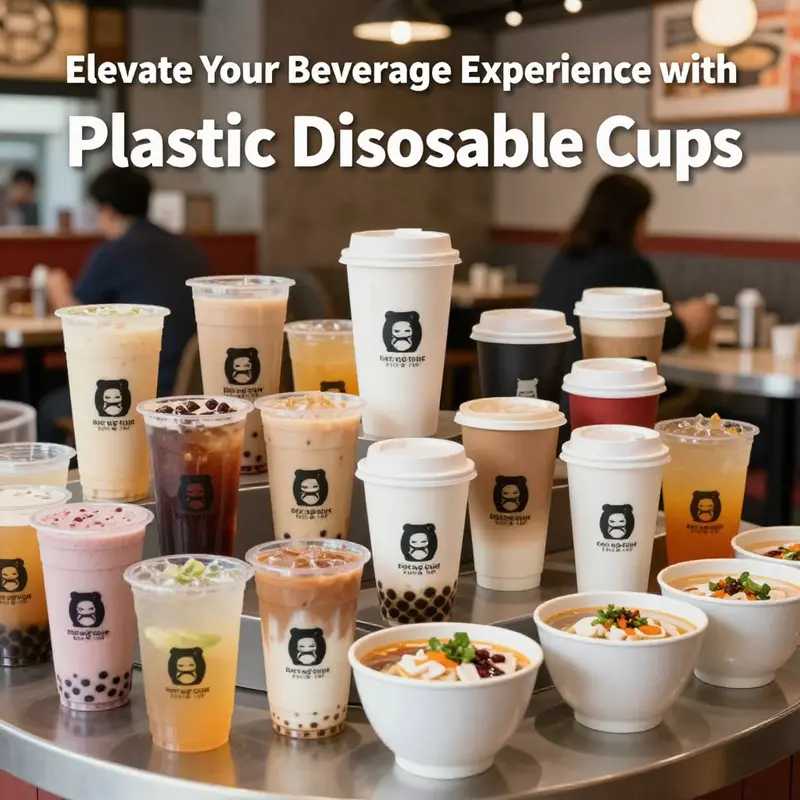
In professional kitchens and service spaces, a disposable cup is more than a container. It is an interface between kitchen discipline, guest experience, and operational velocity. The breadth of plastic disposable cups available through a major depot network translates into a strategic advantage for operators who must balance consistency with flexibility. When a restaurant, a cafe, a food truck, or a catering team places an order, the choice of cup signals adherence to hygiene, speed, and reliability while allowing room to experiment with formats, brands, and service channels. The cup becomes part of the system that moves food and beverages from prep to plate or cup without friction, and the right cup reduces the cognitive load on staff during peak moments. In short, it is a small, high-leverage element of the service model that touches almost every customer interaction.
Durability and safety are foundational. The materials commonly used in these cups—polypropylene and polystyrene—offer a balance of stiffness, lightness, and resistance to cracking. This is crucial when cups are stacked for quick retrieval, transported in carts, or handed from window to curb. The wall thickness and the lip geometry are calibrated to minimize heat transfer to the hand while preserving the integrity of the beverage or sauce inside. Leak resistance is not merely about avoiding drips; it preserves the guest’s experience by preventing spills that can derail service, especially in busy dining rooms or on crowded delivery routes. For hot liquids, a cup must hold its shape under pressure, while for cold drinks, it should resist condensation that could cause slippage or messy sleeves. The compatibility of cups with lids and strainers, and with automatic cup dispensers, further amplifies operating efficiency. In many facilities, a well-chosen cup design aligns with the dispensers’ feed accuracy, ensuring a smooth, reliable cycle from stack to sip.
The applications of these cups span a broad landscape of service models, each with its own demands and expectations. In traditional restaurants and fast-casual settings, cups support both hot beverages and cold refreshments. The insulation layer helps maintain temperature during short holds in service windows, while the rigid walls prevent deformities that could compromise the lid’s seal or the drink’s integrity. In a takeout and delivery framework, the emphasis shifts toward secure lids, venting options, and sip-through features that minimize leaks in transit. A well-designed lid becomes an essential partner to the cup, creating a sealed system that travels well in bagged orders and on crowded sidewalks. The portability of the cup, along with its stackability and sleeve compatibility, enhances speed when staff must assemble dozens or hundreds of drinks in a shift. These small design choices compound to yield tangible reductions in service time and spill incidents, which in turn improve guest satisfaction and staff morale.
Events and catering push cups beyond everyday use and into the realm of branding and guest experience. In settings from weddings to corporate gatherings to outdoor festivals, cups act as mobile canvases that carry logos, color schemes, and messages. The range of sizes and finishes enables organizers to create a deliberate visual rhythm at stations, lines, and buffet tables. Customization opportunities extend the lifecycle of the cups as promotional items from the moment guests receive them to the moment they reuse or recycle them after the event. This is where the practical meet the promotional: a colorful cup can reinforce a theme, coordinate with a venue’s branding, and serve as a take-home reminder of the experience. The ability to match cup design to brand identity reduces the need for additional on-site props, streamlines coordination with event planners, and can even lower the overall event marketing cost per guest. For organizers who want to explore how packaging can carry messaging without compromising function, the concept of branded single-use cups illustrates the synergy between form and purpose. A practical example of a product category that demonstrates how lids, wall thickness, and mouthfeel combine to deliver a reliable, user-friendly experience for a broad range of beverages can be found in disposable single-wall, food-grade paper cups with lids. These cups show how a simple pairing of cup and lid can become a reliable bridge between service modes—dine-in, takeout, and event catering—while preserving a clean, professional look. See more at this product page: Disposable single-wall food-grade paper cups with lids.
Office environments and institutional settings reveal a different facet of cup utility. In schools, hospitals, and corporate cafeterias, cups support hygienic beverage distribution at scale. They enable quick service across lines, reduce the need for on-site dishwashing, and help maintain sanitation standards by limiting cross-contact between surfaces and customers. The predictable sizing and reliable performance are essential here, where staff must balance throughput with cleanliness and safety. The presence of standardized cup formats across locations simplifies training, forecasting, and inventory control. This standardization lowers waste and ensures consistent guest experiences, whether a guest is grabbing a morning coffee in a lobby lounge or receiving a beverage during a late-hour shift at a hospital cafeteria. The cups’ non-toxicity and food-grade status are fundamental for compliance in institutional settings, and their inertness reduces concerns about odors or staining that could affect the surrounding food preparation areas.
Mobile and street-service operators—food trucks, pop-ups, and other portable vendors—rely on the cup’s durability and transport-friendly design. The cups must hold up under real-world conditions: jostling in a crowded street, temperature swings between midday sun and evening chill, and the practical needs of quick prep-to-pole service. In such contexts, reinforced walls and stable geometry help prevent deformations that could compromise the cup’s seal or its ability to be dispensed smoothly from a compact carrier. For these operators, the cup is part of a compact, end-to-end packaging system that supports a fast, reliable customer experience. The ability to provide heat retention for soups or heat-safe containers for sauces without sacrificing portability opens opportunities for menus that blend street food energy with more refined beverage offerings.
Sustainability remains a guiding thread across all these applications. The industry’s growing emphasis on responsible material choices has increased interest in eco-conscious alternatives, including plant-based liners and compostable options. While regional waste management infrastructure and composting capabilities vary, many operators see value in offering a greener footprint without sacrificing performance. The choice between traditional plastic cups and eco-friendly alternatives depends on a careful assessment of life-cycle impacts, end-of-life pathways, and local recycling or composting programs. PLA-lined options, for instance, can provide compostability benefits in suitable facilities, while still delivering the strength and reliability required during transit and service. The depot’s breadth of options supports these strategic decisions, enabling operators to align packaging with sustainability commitments while maintaining the guest experience.
The cups’ integration into broader workflows is not incidental. Many products are designed to work with automatic cup dispensers, a feature that underpins efficiency in high-volume venues. Standardization across cup sizes and lid types reduces cognitive load for staff and lowers error rates during peak times. The synergy between cup design and dispensing equipment is a concrete demonstration of how packaging can influence throughput, accuracy, and safety. When packaging is predictable and compatible with existing systems, restaurants can scale operations without the friction that comes from mismatched components or untested formats. In this sense, the cup is less a disposable commodity and more a strategic asset that supports operational rhythm and staff confidence.
Branding and customization, again, become a practical dimension of everyday service. The same functional logic that supports a consistent cup standard also enables meaningful promotional opportunities. By selecting cup shapes, sizes, and finishes that reflect brand identity, operators can reinforce recognition without requiring specialized distributors or custom tooling. In many cases, a simple yet cohesive design language across cups, lids, and sleeves contributes to a polished, professional guest experience. The idea is not to overwhelm with decoration, but to harmonize packaging with the environment—whether it is a coffee house’s warm interior, a campus event’s high-energy branding, or a premium catering display.
Procurement and logistics complete the picture. A dependable depot network provides more than stock; it delivers reliability, predictability, and cost control. Uniform packaging across all locations supports consistent guest experiences, easier staff training, and smoother inventory management. Operators can forecast needs with greater accuracy, reduce waste from mismatches, and maintain a single, scalable baseline for beverage packaging across dine-in, takeout, and catering contexts. This coherence across the supply chain frees operators to invest attention in other areas—menu development, service quality, and customer engagement—knowing the cup will perform as expected in any channel.
The chapter’s throughline remains clear: these cups are more than containers. They are devices of experience, efficiency, and sustainability. Their design, material choices, and compatibility with equipment shape how guests perceive the service and how teams manage the hustle of daily operations. A well-chosen cup accommodates hot beverages with warmth and safety, cold drinks with crisp form, and sauces or soups with reliable containment. It supports branding without becoming a distraction. It travels with the guest from window to curb, from banquet hall to bus stop, and from event opening to closing cleanup, always performing with calm reliability.
To illustrate the practical intersection of function and promotion, consider the idea of linking packaging choices to guest expectations in a way that is easy to implement without complicating procurement. A well-curated cup family can reduce decision fatigue for staff, speed up service during rush periods, and still offer opportunities for visual storytelling through color and surface treatment. In this sense, the cup serves as a quiet ambassador for a brand’s service ethic: cleanliness, speed, and thoughtful consideration for the guest’s moment. The depot’s catalog—through its variety and attention to compatibility with dispensers and lids—enables operators to test formats in real service contexts, measure performance, and scale what works. The result is a packaging system that is resilient, adaptable, and aligned with contemporary expectations for convenience, safety, and sustainability.
In closing, the diverse applications of plastic disposable cups offered through a comprehensive depot network reveal a system-level perspective on modern foodservice. The cups are not just tools for holding liquids; they are enablers of speed, hygiene, branding, and responsible packaging. The right cup, chosen with an eye toward the operation’s specific needs, becomes a dependable partner in service excellence. It is the practical, everyday element that keeps lines moving, guests satisfied, and back-of-house teams confident. As service models continue to evolve—blending dine-in, takeout, catering, and delivery—the cup’s role will only grow more central, proving that even the smallest items can have a meaningful impact on the guest experience and the business’s bottom line.
External resource: https://www.restaurantsupply.com/disposable-beverage-cups/
Inside the Cup: The Technical Blueprint Behind Professional Plastic Disposable Cups for Foodservice
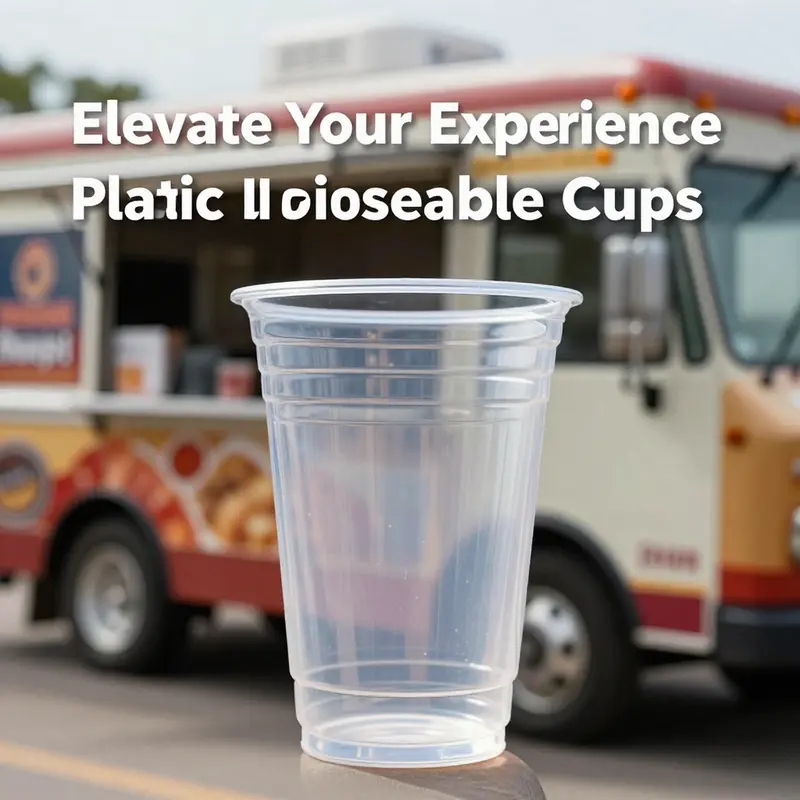
In the fast-paced world of foodservice, the humble plastic disposable cup performs far beyond first impressions. It is a small vessel with a big job: to hold hot soups, icy beverages, sauces, and ready-to-serve portions while surviving the rigors of busy kitchens, curbside pickup, and delivery routes. The chapter that follows explores the technical blueprint behind these cups, not as abstract plastic cylinders but as carefully engineered items that balance safety, usability, and efficiency for professional operations. The conversation begins with materials, because the choice of polymer governs heat tolerance, flavor neutrality, and how well the cup behaves during handling and reconciliation with waste streams. Most professional-grade cups are made from食品级 plastics, with polypropylene (PP) and polystyrene (PS) among the dominant options. Each material brings a different spectrum of properties: PP offers a blend of toughness and chemical resistance, PS provides clarity and rigidity, and both must meet regulatory expectations for food contact. In practice, suppliers frame these materials against standards from the FDA and similar national bodies to ensure compatibility with beverages, sauces, and the occasional semi-liquid meal. The concept of safety here is not a single stamp; it is a multi-layered commitment—one that includes resin composition, potential additives, and the finished cup’s behavior under heat, cold, and time on the shelf. In the absence of brand-specific datasheets, the industry often follows a set of shared expectations: food-grade quality, inertness in contact with liquids, and a predictable response to mechanical handling during assembly, packing, and transport. When designing menus and service formats, operators rely on this foundation to select cups that do not impart unwanted flavors, that resist short-term deformation, and that maintain their integrity from the moment a drink is poured to the moment a customer finishes it.
Beyond the raw materials, the structural design of a professional disposable cup matters as much as the material itself. The single-wall cup presents a straightforward solution for cold beverages and light sauces. It is light, economical, and easy to stack, which translates into faster restocking and simpler cup dispensing in high-volume environments. However, single-wall cups exchange heat with the user less efficiently, and served hot liquids can burn inexperience or awkward handling. Double-wall designs address this gap by introducing an inner and outer wall that creates an insulating air layer or by incorporating a foam layer. The result is a cup that stays comfortable to hold while maintaining the beverage at its intended temperature longer. The design choice is rarely about aesthetics alone; it is a trade-off among cost, insulation performance, sleeve compatibility, and the practicalities of delivery or dine-in service. In many kitchens, cold drinks demand the precision of a rigid wall that avoids condensation and drips on service trays, while hot beverages press the need for a structure that prevents heat transfer to skin and hands.
The diameter, height, and volume capacity of cups are not arbitrary. The most common capacities—8 oz, 12 oz, 16 oz, 20 oz, and 32 oz—reflect consumer expectations for standard beverages such as drip coffee, specialty drinks, soda, soups, and larger cold beverages. The geometry is selected to optimize gripping comfort, to fit standard cup dispensers, and to align with cup holders on service carts and takeout packaging. The height-to-diameter ratio influences tipping stability and the ease with which a cup can be nestled into a cup sleeve or snugly placed in a takeout bag. The industry also pays attention to the bottom geometry, taper, and rims, which influence stackability, flow in automatic dispensers, and the ease with which lids seal without excessive resistance. In practice, the conversation about sizing extends into the realm of compatibility with lids and straws. Lids must seal effectively to prevent leakage during transport, and some designs incorporate venting features to minimize pressure buildup when hot liquids are inside. Straws, where used, require appropriate apertures and fit to ensure a smooth drinking experience without sacrificing spill resistance. The result is a package that performs reliably across a spectrum of service settings—from a bustling cafe to a food truck in a crowded market.
Operational efficiency is inseparable from material choice and geometry. Many cups are designed to work with automatic cup dispensers, a feature that reduces touchpoints and speeds up service during peak hours. The dispenser ecosystem benefits from tolerances in cup lip thickness and wall rigidity; cups that are too flexible or too stiff can jam equipment or create inconsistent pours. The interplay between the cup and its dispenser is a small, high-stakes interface where manufacturing precision pays off at scale. In addition to speed, the stacking behavior of cups is just as critical. A well-engineered cup nestles neatly into the next, enabling compact bulk storage and fast retrieval. This is not merely an operational convenience; it reduces labor time, lowers spoilage risk, and helps kitchens manage inventory more precisely during line changes or shift handoffs. The little edge in stackability can translate into measurable gains in throughput during lunch rushes or large catered events.
Another layer of complexity concerns heat tolerance and safety margins. Polypropylene cups typically tolerate temperatures near the upper limit of hot beverages, while polystyrene cups may offer sharper clarity and rigidity but with different thermal characteristics. In some dual-wall configurations, the outer surface remains cool enough to touch, even when the inner liquid is near its hottest point. The design philosophy here balances user comfort and safety with product performance. When a drink is scalding, the user’s experience hinges on the cup’s ability to protect hands, maintain an acceptable exterior temperature, and avert accidental burns during handling. This is why many cups employ a smooth interior surface to minimize heat retention in the liquid while preventing bitterness or flavor carryover that can occur with rougher finishes or certain plastics. The choice between a standard single-wall approach and a more protective double-wall approach often comes down to service model: dine-in, takeout, or delivery. In a quick-service environment, the decision is driven by throughput and cost; in a full-service operation or a high-end takeaway concept, the priority may tilt toward comfort and perceived value.
From a materials science perspective, the packaging ecosystem behind these cups is never far from the conversation about sustainability. The industry is increasingly aware of the need to manage environmental impact without compromising performance. Some cups are offered in compostable or plant-based variants, typically using materials like polylactic acid (PLA) derived from renewable resources. These Eco-conscious options align with consumer expectations and regulatory trends toward more responsible packaging. Yet the practical reality remains nuanced: not all “biodegradable” or “compostable” cups behave the same in every waste stream. The ability to recycle varies with the cup’s composition, and items with foam insulation or mixed materials can pose recycling challenges. For operators, this means a careful assessment of end-of-life scenarios. A responsible procurement decision often includes a consideration of local waste infrastructure, whether a facility accepts PP- or PS-based cups, and whether any compostability claims hold under municipal composting conditions. The choice is not simply green branding; it is a pragmatic alignment of product design, waste management capabilities, and customer expectations about sustainability.
Crucially, the technical specification landscape for plastic disposable cups adheres to cross-border safety and quality standards, a framework that reassures foodservice operators about compliance and reproducibility. In the United States, the primary benchmark is the FDA’s food contact guidelines, which regulate the substances that can legally contact food and beverages. Domestic and international suppliers align with these expectations to ensure that materials do not impart off flavors, migrate into liquids, or pose health risks. Similar standards exist in other markets, such as GB equivalents, which guide the manufacturing and testing of cups sold in those regions. The broader implication for operators is straightforward: when sourcing cups, they are choosing not just a disposable item but a regulated, traceable component of the service chain. The packaging must perform consistently, be traceable through batches, and offer predictable outcomes across repeated cycles of use and disposal. In practice, this translates into a trust-based relationship with suppliers who can provide test data, material declarations, and performance certifications that align with a restaurant’s risk management and brand promises.
For professional kitchens and caterers, the specifications are not only about safety but about how a cup integrates with the broader system of service design. A supplier’s catalog typically includes a range of options—materials, wall configurations, insulation strategies, and accessory compatibility—that collectively shape how a beverage or a sauce is delivered to the customer. The decision matrix often weighs the cost per unit against the anticipated throughput and waste-handling requirements. In a fast-paced operation, the economics of packaging matter: the cup must be cheap enough to justify large-scale use yet sturdy enough to withstand the physical demands of transport and stacking. The interplay between cost, performance, and sustainability becomes a daily calculation, influencing menu design, service flow, and even the packaging choices offered to customers at the point of sale.
The procurement narrative is not complete without acknowledging the value of accessible, up-to-date product information. In a landscape where inventories shift with suppliers’ batches and seasonal promotions, service teams rely on real-time catalogs and clear technical sheets. These documents provide essential data points: material type, thickness, heat tolerance, rim diameter, capacity, lid compatibility, recycling codes, and any certifications. They also enable kitchens to perform risk assessments and to align packaging choices with brand promises, whether that brand emphasizes premium experience or sustainable stewardship. The practical takeaway for operators is that the best cups are not merely those that meet a baseline spec; they are those that harmonize with the full ecosystem of the restaurant, from the speed of service to the end-of-life narrative that a guest may consider when choosing a venue.
For readers seeking a tangible reference that expands on the broader universe of disposable cup design, a related overview describes the landscape of cup types and their applications in various service contexts. See the linked overview for a practical sense of how single-wall and double-wall designs translate into everyday use, including considerations of heat management and dispenser compatibility. senang01-hot-sale-customized-disposable-single-wall-paper-ice-cream-cups-with-lid-eco-friendly-food-grade
As a closing thought, the science behind these cups reveals a quiet but pervasive truth: the best disposable cup is the one that disappears into the service moment, performing reliably so that staff can focus on the human aspects of hospitality. It is not merely a vessel but a link in a chain that connects raw materials, manufacturing rigor, safety compliance, operational efficiency, and environmental responsibility. Operators who understand this chain are better equipped to select packaging that upholds safety, supports a smooth workflow, honors commitments to customers, and aligns with broader sustainability goals. The cup, in its unassuming form, embodies a convergence of chemistry, engineering, ergonomics, and policy—a small but meaningful artifact that makes the dining experience possible, repeatable, and responsibly managed.
External resource for broader context on food-contact safety and packaging regulations: FDA guidance on food contact substances.
Real-World Sustainability: Making Disposable Cups Greener in High-Volume Foodservice

The disposable cup is a simple object with outsized environmental consequences. In high-volume foodservice settings, operators rely on single-use cups for speed, hygiene, and consistency. Those same qualities make cups a heavy contributor to waste streams. Understanding the full picture helps operators balance operational needs with environmental responsibility. This chapter lays out the trade-offs, practical steps, and procurement choices that move a busy kitchen toward measurable sustainability gains.
Plastic disposable cups used in commercial kitchens are typically made from durable polymers. Those materials provide heat resistance, leak protection, and stackability. They also rely on fossil-derived feedstocks and can persist for centuries in landfill. That durability, while useful for service, becomes problematic after use. Many municipal recycling systems cannot process the kinds of thin, coated, or contaminated plastics common in foodservice. When cups are soiled with liquids, sauces, or fats, they often fail to meet recycling-sorting requirements. The result: even if a cup is technically recyclable, it may still end up in the trash.
The most visible alternatives are compostable or biodegradable cups. These are often made from plant-based polymers like PLA or from fibers such as bagasse. In industrial composting, many of these materials break down faster than petroleum-based plastics. However, the performance depends on the available disposal infrastructure. Industrial composting requires specific temperatures, microbial activity, and processing times. Where that infrastructure is absent, compostable cups can linger like conventional plastics. Worse, when compostable items are mixed into the recycling stream, they can compromise entire batches and increase contamination rates. Recognizing these constraints is essential before switching materials.
Beyond material chemistry, the choice of cup design matters. Double-wall or insulated options reduce the need for sleeves and improve customer comfort. Stackable straight-sided cups conserve storage space. Secure lids prevent leaks during transport. Each feature carries a sustainability implication: insulated or lined cups may use more material, and composite constructions can hinder recyclability. Conversely, a well-chosen lid that is compatible with a universally recyclable resin can lower leakage waste and reduce loss in deliveries. Decisions about lids, insulation, and coatings should be made with an eye toward the end-of-life pathway you can realistically provide.
Supply chain and procurement practices shape environmental outcomes as much as material science. Buying in bulk reduces packaging waste and transport emissions per unit. Choosing locally distributed products shortens logistics and lowers carbon intensity. Working with a supplier that offers transparency on materials, certifications, and end-of-life recommendations allows operators to make informed trade-offs. Consider requesting product data sheets that describe resin types, coating details, and compostability certifications. That information will guide both procurement and staff training for waste sorting.
Operational changes often yield the biggest sustainability improvements with minimal capital expense. Start by mapping your existing cup use across shifts and service channels. Identify where disposable cups are essential and where a reusable or alternative approach could work. For example, dine-in hot beverages are a strong candidate for reusable service ware paired with an efficient in-house wash cycle. Delivery and third-party platforms usually mandate disposables, but you can reduce impact by selecting products with simpler material composition and fewer mixed laminates.
Introduce behavior-based interventions to reduce single-use volume. Staff prompts, point-of-sale options, and modest customer incentives change habits. Offer a small discount for customers who bring their own cup. Provide an option at checkout to waive the disposable cup when customers indicate they’ll consume on-site. Train staff to ask whether a lid is necessary for every order. Small prompts like these compound over time and can reduce daily cup usage by significant percentages.
Waste sorting systems are a practical front-line solution. A single compost bin is not enough; educate staff and customers about what goes where. Clear labeling, visible signage, and simple infographics reduce contamination. If you invest in compostable cups, be sure your waste hauler accepts them and runs to an industrial composting facility. If municipal composting is unavailable, explore private composting services or on-site anaerobic digestion options. Where recycling is the selected route, ensure cups are of a resin type accepted by local facilities and that they are rinsed or free of residue.
Certification and labeling help verify sustainability claims. Look for internationally recognized compostability standards and third-party recyclability assessments. Certifications give operators a defensible basis for marketing claims and support staff training. However, certification is not a substitute for local coordination. A certified compostable cup without an industrial composting outlet is still likely to become landfill material. Treat certifications as part of the decision matrix rather than the final answer.
Cost is always a factor. Compostable or fiber-based cups often cost more than their petroleum-based counterparts. Budgeting for a transition requires a realistic look at total cost of ownership. Include disposal costs, potential waste-diversion fees, and any savings from reduced procurement of ancillary items like sleeves. Bulk purchasing and predictable ordering can reduce unit price. In addition, calculate the intangible benefits, such as improved brand perception and potential new business from sustainability-minded customers. Those benefits sometimes offset incremental material costs over time.
Staff training and consistent procedures are non-negotiable for effective sustainability progress. A well-meaning staff member can undo a careful procurement choice by placing compostable waste in the recycling bin. Standardize procedures around ordering, use, and disposal. Use regular briefings and simple visual guides to keep staff aligned. Empower employees to suggest smarter workflows; frontline teams often identify easy wins that management misses.
Customer communication completes the cycle. Clear signage about what happens to returned cups reduces confusion and contamination. If you offer compostable cups, explain that they require industrial composting. If you encourage reusable cups, make the rules simple and the incentives obvious. Prominent customer-facing messaging shapes behavior and reduces friction at the point of service.
There are also strategic partnerships that can help. Collaborate with waste haulers to pilot compost collection. Work with regional foodservice networks to consolidate demand for composting and influence local infrastructure investment. Suppliers can sometimes provide feasibility studies or help arrange takeback programs for difficult-to-recycle components. Those partnerships spread cost and risk while supporting longer-term infrastructure development.
Metrics turn intentions into measurable progress. Track cup volumes by material type, diversion rates, and per-service cup use. Monitor contamination rates in recycling and compost streams. Use simple KPIs, such as average disposable cups per transaction and percent diverted to compost. Regular reporting identifies where adjustments are needed and supports internal accountability.
For venues with limited local infrastructure, consider hybrid approaches. Use compostable or fiber cups where a composting outlet exists. Elsewhere, choose recyclable single-material cups with clear, single-resin construction. Where neither solution fits, prioritize reduction through reusable programs. The right mix varies by location, service model, and customer preferences. A one-size-fits-all approach rarely yields the best environmental result.
Finally, plan for continuous improvement. Technologies and policies evolve. New materials appear, and local waste systems change. Maintain an annual review of vendors, materials, and disposal pathways. Engage with peers and industry groups to learn best practices. Regular review ensures your waste strategy remains aligned with available infrastructure and the latest sustainability science.
If you want to see a practical example of an alternative to conventional disposable cups, explore an eco-friendly double-wall craft paper coffee cup option that blends compostable construction with a familiar service experience here: eco-friendly double-wall craft paper coffee cup.
For authoritative details on certified sustainable cup lines and guidance about proper disposal, consult the supplier’s sustainable cups page. It lists product specifications, certification notes, and availability for commercial buyers. https://www.restaurantdepot.com/sustainable-cups
Cups, Costs, and Compliance: The Economic Footprint of Plastic Disposable Cups in Food Service
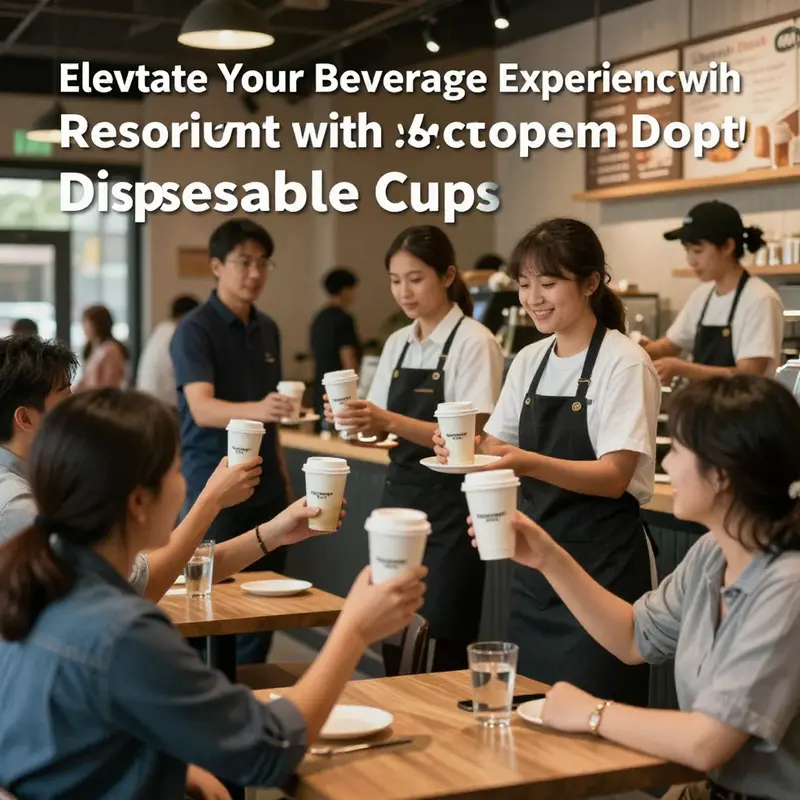
Disposable plastic cups are among the most commonplace, enduringly visible tools of any food service operation. They sit at the point of sale, in to-go totes, and alongside steam tables, quietly shaping the economics of everyday service. The chapter you are about to read follows that quiet influence through a landscape where price, supply reliability, and regulatory risk intersect with evolving customer expectations. It is not a tale about a single product line, but a broader examination of how standard, seemingly ordinary items—cups designed for hot soup, cold beverages, or takeout sauces—become critical levers in the cost structure of fast-casual eateries, coffee concepts, caterers, and street-food operations. The story of these cups starts with cost and ends with strategy, with many midpoints in between that influence how a business decides what to buy, from whom, and under what terms.
From a financial perspective, plastic disposable cups deliver clear, tangible advantages. They are generally cheaper than alternatives such as paper or compostable materials, especially at high volumes. For operators who serve large crowds—whether a bustling cafe, a food truck, or a rapid-service counter—the low unit cost translates into meaningful savings when thousands or tens of thousands of servings roll through a week. The affordability is compounded by the lightweight nature of these cups, which keeps freight and storage costs lower than heavier materials. In a typical kitchen, where speed and efficiency trump every other concern, being able to pull a consistent size and style from an orderly, predictable stock line matters as much as the price tag itself. The economics of simple design—straight sides, reliable lids, and predictable stacking behavior—reduce the time spent counting, lifting, and restocking. In a busy service window, even small reductions in handling time accumulate into measurable productivity gains. A supplier that can provide a broad range of standard sizes, compatible with automated cup dispensers, thus helps operators minimize waste from mismatched lids or ill-fitting bottoms, further sharpening the cost advantages.
Yet the cost story does not end with the sticker price. Material choice matters, and the common workhorse plastics used for disposable cups—throughout the industry—shape long-run costs in multiple ways. Polypropylene and polystyrene are prized for their balance of rigidity, heat resistance, and cost. They perform well enough to handle hot soups or refrigerated beverages without leaking or deforming, which reduces spoilage and customer dissatisfaction. But the same material choices also anchor a set of end-of-life costs that vary by jurisdiction. In many markets, disposal fees, waste-hauling contracts, and local regulations push the total cost of ownership beyond the sticker price. The growing push toward extended producer responsibility and plastic waste management programs means that, over time, a portion of the purchase price may reflect compliance and stewardship considerations rather than raw material cost alone. That shift is not theoretical: it has real consequences for margins, supplier negotiations, and product mix decisions as operators weigh low upfront costs against potential post-purchase charges or regulatory fees.
The supply chain realities behind these cups deserve equal attention. Large, established distributors bring a level of reliability that smaller buyers might struggle to match. The predictability of a steady inventory, standardized sizing, and compatibility with bulk-dispensing systems translates into smoother operations during peak hours. When a restaurant is running at full tilt, the ability to grab a cup, snap on a lid, and move a beverage to a customer with minimal friction becomes part of the service promise. This reliability reduces stress on staff and helps maintain service pace, which in turn reinforces customer satisfaction and the ability to handle rising demand without staffing escalations. The operational advantages extend to storage and logistics as well. Stackable designs, secure lids, and even features like built-in handles can compress the footprint required for stock rooms and make last-minute restocking less disruptive to service flow. In this way, a seemingly small product category becomes a lever for throughput, accuracy, and overall labor efficiency.
The regulatory and environmental dimension, however, casts a longer shadow over the economic equation. Across many regions, policymakers are intensifying scrutiny of single-use plastics due to lingering concerns about waste, litter, and marine impact. The non-biodegradable nature of conventional cups creates ongoing questions about waste management costs, end-of-life handling, and potential future restrictions. In some jurisdictions, pandemic-era shifts in consumer behavior and waste generation accentuated calls for reductions in single-use plastics, prompting advocates and regulators to push for more ambitious waste-reduction targets. The economic implication is twofold: immediate compliance costs for operators who must adapt to new standards, and longer-term price signals that could alter the affordability calculus for disposable cups. For market participants, the prudent path is to monitor regulatory trajectories and consider contingency plans that couple cost-saving measures with scalable, compliant packaging options.
Consumers also press on the economics through evolving expectations. As awareness grows about ocean plastics and waste, customers increasingly gravitate toward businesses that demonstrate responsible packaging choices. This has a direct impact on brand perception and, by extension, willingness to pay for certain service models or premium experiences. The tension between price sensitivity and sustainability creates a spectrum of strategic choices. Some operators lean into cost leadership by keeping nearly all packaging in the traditional disposable lane, while others explore hybrids that blend disposables with reusable options or more sustainable single-use alternatives. The challenge lies in balancing upfront investment against potential long-term savings, brand differentiation, and risk mitigation. In a world where the public has access to oceans of information on packaging impacts, the reputational dividend of sustainable choices can become a material, bottom-line consideration, even if the immediate per-unit cost rises.
A useful way to think about this is to see packaging choices as a spectrum rather than a binary. At one end are traditional plastics valued for cost and convenience. In the middle are responsibly sourced or recycled-content variants that deliver modest environmental benefits without upending operations. At the far end lie ambitious reusable systems that promise the greatest long-term environmental and economic upside but require upfront investment, process redesign, and customer behavior change. Each point on the spectrum interacts with a business’s scale, geography, and customer base in unique ways. A practical takeaway is that leaders should map their own trajectory along this spectrum, not because they must jump to the far end, but because an informed, staged approach can hedge risk while preserving service quality.
One practical illustration from the industry helps illuminate the path. A common approach for large operations is to pair the existing disposable cup lineup with a future-facing, reusable or alternative-use program. This might involve piloting a reusable cup system in select locations, paired with a robust education and logistics plan to minimize friction for customers. The aim is not to abandon disposables wholesale but to create a transition path that preserves service levels, satisfies price targets, and aligns with a longer-term sustainability strategy. The economic logic is straightforward: reduce waste and potential disposal costs over time, while preserving the revenue and throughput advantages that disposables provide in the near term. In this sense, the chapter reads less like a choice between good and bad packaging and more like a strategic choreography that coordinates cost, supply, risk, and customer expectations.
To anchor this discussion in a tangible, real-world reference without naming specific brands, consider a practical example of a commonly used disposable item and its path from design to disposal. The concept of customized disposable single-wall paper ice cream cups with lid captures a core tension in the market. These items illustrate how even small changes in design—such as a lid that reduces spill risk, or a single-wall construction that minimizes weight—can propagate through the cost structure, logistics planning, and waste stream. They serve as a reminder that packaging decisions are rarely isolated to price; they shape handling, customer experience, and end-of-life outcomes as well. For a closer look at how such configurations can influence operational efficiency and branding in practice, see the related example linked here: https://cupbowlpack.com/product/senang01-hot-sale-customized-disposable-single-wall-paper-ice-cream-cups-with-lid-eco-friendly-food-grade/.
The long-run financial calculus becomes even more nuanced when we layer in the external pressures of environmental stewardship. The growing discourse around sustainable packaging stresses not only the direct costs of materials but also the broader lifecycle costs associated with waste management, recycling, and landfill diversion. In some markets, waste has become a critical cost driver, with facilities charging for disposal by weight and with municipalities offering incentives or penalties tied to recycling performance. The price of inaction—continuing a heavy reliance on disposables without investing in containment, reuse, or better end-of-life pathways—can accumulate in the form of higher operating costs and reputational risk. The interplay of supply chain resilience and environmental accountability makes it clear that a sound packaging strategy must account for both the immediacy of price and the probability of regulatory reform or consumer-driven demand shifts.
The trajectory ahead invites a pragmatic blend of risk management and strategic investment. Operators can protect margins by negotiating favorable terms with suppliers who can offer reliability, scalable packaging options, and a mix of materials that satisfy evolving regulations. They can also explore phased investments in reusable systems, capturing early mover benefits while building staff and customer familiarity. Hybrid strategies—where disposable cups remain the backbone for peak demand while durable, reusable solutions reduce the baseline waste footprint—offer a balanced route. In such plans, the goal is to preserve service speed and cost discipline while positioning the business to respond to policy changes and customer expectations without sudden, disruptive shifts.
The broader narrative around plastic disposable cups in food service, then, is not simply a question of cost per unit. It is a question of how a business navigates a dynamic ecosystem where supply certainty, regulatory pressures, and consumer sentiment converge. The economic payoff for thoughtfully designed packaging decisions can be meaningful, but the risks and opportunities evolve with time. Disposables still deliver the value of speed and uniformity, especially in high-volume environments where margins hinge on throughput and predictable handling. Yet, the horizon is shifting toward more sustainable practice, with the potential for regulatory costs and waste-management complexities to intensify in the years ahead. For operators, the challenge is to maintain a steady hand on the cost side while strengthening resilience to future changes in packaging policy and public expectations. The chapter closes not with a final verdict but with an invitation to view packaging choices as a strategic lens through which to manage efficiency, risk, and value in a crowded, price-sensitive market.
External reading for broader context on this topic can be found at an industry analysis on the potential impact of reusable packaging: https://www.mckinsey.com/industries/consumer-packaged-goods/our-insights/the-potential-impact-of-reusable-packaging
Final thoughts
In summary, the versatile and practical nature of Restaurant Depot plastic disposable cups offers essential solutions for bubble tea shops, beverage chains, catering services, and beyond. With a range of sizes, styles, and eco-friendly options, these cups stand out as a reliable choice that meets both commercial and sustainability demands. As food service professionals navigate their operations, integrating high-quality disposable cups can enhance customer experience, improve service efficiency, and contribute positively to the economic performance of businesses. Choose Restaurant Depot’s proven solutions to elevate your beverage service today.