
Understanding the safety of heating food in plastic containers is crucial for businesses in food service, including bubble tea shops, restaurants, food trucks, and catering services. Each chapter elaborates on the best practices for using plastic containers in microwaves, from identifying safe materials to mitigating health risks. This guide equips you with vital knowledge to ensure customer safety and uphold food quality.
Heat with Care: Reading Labels and Choosing Safe Containers for Microwaving Food in Plastic
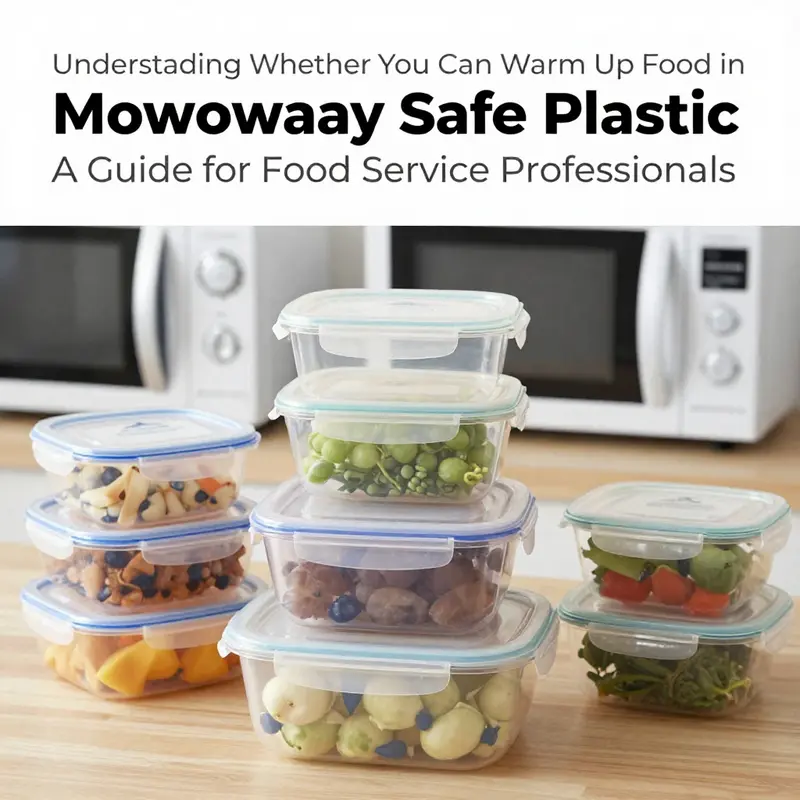
Placemats, containers, and the hum of a kitchen microwave all converge in a simple question: can I heat up my food in a plastic container? The answer is not a blanket yes or no. It hinges on two things that are easy to overlook but worth understanding: the type of plastic and the labeling on the container. When you respect both, you can reduce the risk of melting, warping, or more insidious problems like chemical migration into your meal. The core idea is straightforward: only plastic containers that are explicitly labeled as microwave safe or that carry a resin identification code of five, PP, are generally considered suitable for microwaving. This is not just a matter of keeping the plastic from softening or deforming; it is about limiting the transfer of substances from the container into the food under typical heating conditions. In practice, this means you should always start by inspecting the bottom of the container for the microwave safe symbol or for the number five inside a triangle, which denotes PP polypropene. PP is known for its higher heat resistance, often tolerating temperatures around 120 degrees Celsius to 130 degrees Celsius (roughly 248 to 266 degrees Fahrenheit). Foods heated in a container made from this plastic are less likely to cause material breakdown that could lead to leakage or taste changes in the meal. The labeling you see—microwave safe, for microwave use, or simply the symbol and the five—acts as a brief seal of assurance that the product has undergone testing and is expected to perform under typical microwave conditions. It is tempting to assume that any plastic is equal in this respect, but the truth is more nuanced. The resin code tells a story about the material’s structure and stability under heat, and it is this story that helps you decide whether a given container is a good match for your microwave reheating needs. The problem with other plastics is not always a dramatic failure; it is often a slow creep toward risk. PET, the #1 plastic used in water bottles, is designed for single use and has a lower tolerance for heat. When heated, PET can soften, and in some cases it can allow substances to migrate into food, particularly if the container is damaged or cooking temperatures rise beyond its comfort zone. This is a reason many guidelines advise against microwaving PET or any container that lacks clear labeling about microwave safety. PVC, the #3 plastic, is another class to treat with caution. It can release toxic compounds when heated, and for that reason many safety experts recommend avoiding microwaving its clear, rigid forms for food contact. The same applies to #6 PS, a common material in foam takeout containers and some rigid trays. Polystyrene can melt or deform under heat and may release styrene, a substance with potential health concerns, especially when heated or damaged. Then there is the broader group of #7 plastics, often labeled as other, which include polycarbonate. PC has been scrutinized for potential BPA leaching, particularly when heated, scratched, or when the container is older. While some #7 variants are BPA-free, the safe course is to treat them with heightened caution and to avoid microwaving unless the label clearly states safe for microwave use. The practical upshot of these classifications is that the safest path is to prioritize containers with a clear microwave safe designation or the PP label. If a container lacks this information, or if the label is ambiguous or faded, the risk calculus shifts toward safer alternatives. The habit of turning to glass or ceramic dishes designed for microwave use is wise, not only because they offer reliable heat tolerance but also because they are chemically inert with respect to food. When you commit to glass or ceramic for reheating, you remove the uncertainty around migration entirely, and you still can achieve a pleasant level of warmth and moisture retention that suits many meals. That said, there are tangible, everyday practices that can help you make safer choices within the realm of plastic containers. The first is to remove lids before microwaving. Lids, often made from different materials such as PE, may not tolerate heat as well as the body of the container. They can trap steam and pressure, which not only risks a messy boil-over but can also cause deformation or leaching if the lid’s material is not microwave-friendly. If your container includes a vent feature, use it properly to allow steam to escape without compromising the container’s integrity. Another crucial habit is to consider the fat and sugar content of the food you heat. Oils and sugars heat more quickly and can create localized hot spots that exceed a plastic container’s tolerance, even if the container itself is labeled microwave safe. In such cases, moving the food to glass or ceramic for the final heating or reheating stage often proves safer and yields a more even warm. The importance of inspection cannot be overstated. A container that is cracked, warped, scratched, or discolored is not just an aesthetic issue; it signals material degradation. Degradation can alter the way a container interacts with food under heat, increasing the chances of chemical migration. If a container has seen better days, replace it rather than relying on it for ongoing reheating tasks. And if you plan to heat leftovers frequently or in larger quantities, you may find that the best long-term strategy is to switch to glass or ceramic containers that are explicitly designed for microwave use. In this context, the practical approach to everyday reheating becomes an exercise in informed selection rather than a routine guess. When you end up with a container that has the right label, you can still take steps to minimize risk. For example, avoid prolonged heating cycles that push containers toward their heat limits. Shorter bursts with stirring between heating intervals can help distribute heat more evenly and reduce the likelihood of hotspots. If you must use plastic, ensure the container is within its expected life span and is free from cracks or distortions; even minor damage can become a liability when subjected to repeated microwaving. Finally, if safety remains a concern or the food is fatty, sweet, or acidic, consider transferring the meal to a nonplastic dish before finishing the heating process. This approach is often the simplest way to ensure you are not compromising the integrity of the container or the safety of the food. There is also room for thoughtful choices beyond the box of rules. While the science behind chemical migration is complex, the practical implications for daily living are approachable and actionable. For readers who want a tangible alternative that still supports quick meals or takeout styles, consider using options that are explicitly designed for microwave use and crafted from materials with strong heat resistance. One such option is the family of bagasse or paper-based microwave-ready serveware, which is commonly marketed as microwave safe and is designed to withstand typical reheating temperatures. If you are curious about exploring this pathway further, you can explore a practical example of microwave friendly tableware through a product line described as microwave-safe bagasse bowls. For a deeper look, see the linked example here: microwave-safe bagasse bowls.
As you weigh the options, keep in mind that the labeling and the material code are your allies in making safer choices. The resin code number inside the triangular symbol on the container bottom is more than a curiosity; it is a concise way to communicate what the container is capable of withstanding. When in doubt, transfer to a known microwave safe glass or ceramic dish. This choice might feel like a step away from convenience, but it is a step toward reducing the chances of unexpected heat related leaching and preserving the flavor and quality of your meals. The topic of safety often invites questions about the role of industry testing and labeling standards. The presence of an explicit microwave safe label is more than marketing; it signals that the product has passed a framework of tests designed to evaluate heat resistance, chemical migration, and overall suitability for the cooking method you intend to use. This is not a guarantee against all risk, but it is a meaningful indicator that helps you make informed choices in everyday cooking routines. When you combine careful label checking with mindful heating practices, you craft a more reliable and safer microcosm of your kitchen routine. You protect not only the dish you are reheating but also the longevity of your containers and the broader health of your cooking environment. You also affirm a simple, sustainable approach: use safer materials when you can, prefer reusables, and reserve plastics for lines of use that are clearly defined by the labels and the makers’ guidance. The overarching message remains accessible and practical. If a container is not clearly labeled as microwave safe or does not carry the PP label, the risk calculations tip toward choosing nonplastic options or transferring the food to a proven microwave safe vessel before heating. This becomes especially salient in households with children, where ease of use often intersects with a need for reliable safety practices, or in kitchens where frequent reheating of high-fat meals occurs. The guidance is deliberately pragmatic: know your container, respect its limits, and when in doubt, choose glass or ceramic. In this way, the act of reheating, which is inherently about gathering warmth and comfort, does not become a tradeoff with health and safety. The last mile of safe reheating is a simple routine you can cultivate: check the bottom label, remove any lid, consider the food’s fat content, avoid damage, and opt for safer alternatives when possible. By doing so, you honor the purpose of the microwave as a convenient tool while safeguarding your meals from unintended consequences. External reference and further exploration can deepen understanding for curious readers, and the broader literature on microwave safety and material science offers additional context about labeling standards and migration concepts. For a foundational external resource, see the FDA’s guidance on microwave safety and related food contact materials. External reference: https://www.fda.gov/food/food-safety
Safe Heat in a Plastic World: Identifying Microwave-Safe Containers for Reheating Food
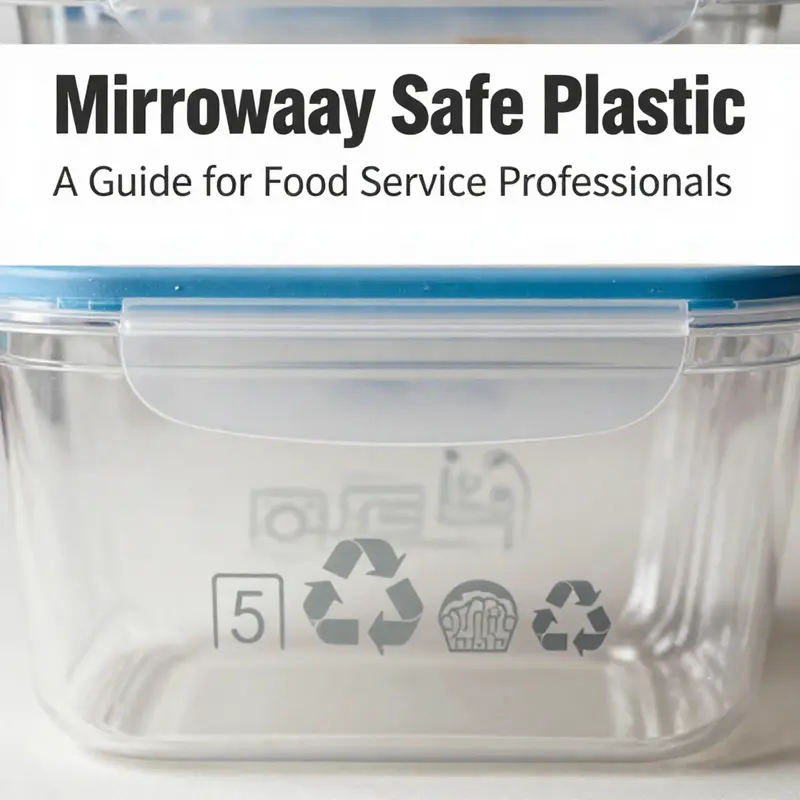
Microwaving has become a daily shorthand for turning leftovers into a quick, comforting meal. Yet beneath the convenient glow of a turning plate lies a web of material science and labeling that can trip even the most careful cook. The question of whether you can safely warm up food in a plastic container hinges on more than a blanket “yes” or “no.” It hinges on the exact type of plastic, how it is labeled, and how you treat the container before, during, and after heating. A clear path through this complexity begins with a simple, practical rule: use plastic containers that are explicitly labeled as microwave safe or that carry the resin identification code inside the familiar recycling triangle, specifically the number 5, which identifies polypropylene (PP). This small detail—a number tucked inside a triangle—can be the difference between a reheated meal that’s safe and one that carries unwanted chemicals into your food. To understand why, you only need to step back from the kitchen timer and consider what heats up first when the microwave starts to hum: the container, the food, and the space where their temperatures rise together.
The resin identification code system is the language of plastics used in households today. The bottom of many containers shows a triangle with a number from 1 to 7. Among these, the number 5 inside the triangle signals polypropylene, or PP. PP is notable for its higher heat resistance compared to many other plastics and for chemical stability, which is why it is widely considered microwave-safe under normal conditions. When a container is labeled with “Microwave Safe,” or when the marking explicitly states PP or the number 5, you have reason to trust that its interior material has been tested to limit chemical migration during typical microwave cycles. The distinction matters. Heating a substance like fat-rich sauces or oils can push temperatures higher than water alone, accelerating any potential migration. In those situations, a container that is not designed for microwave use can soften, warp, or release compounds that you otherwise would not want in your meal.
Equally important are the labels and the labels’ accompanying guidance. A bottom label that simply says “Microwave Safe” without a resin code can be a blessing of clarity, but it is still wise to cross-check with the triangle marking or a clear PP coding. The most reliable combination is a PP designation (#5) accompanied by a microwave-safe label. This joint assurance—material-specific and heat-tested—provides a more robust protection than a generic claim alone. It is also worth noting that the condition of the container matters just as much as its labeling. A well-marked PP container that is scratched, clouded, cracked, or warped should be retired from microwave duty. Physical degradation can compromise the barrier’s integrity and accelerate leaching, especially when the container is repeatedly heated or exposed to mechanical stress. In short, a label alone isn’t enough; plastic health depends on both label and condition.
Beyond PP, the literature consistently flags other plastics to avoid for heating foods in the microwave. PET, the familiar #1 often used for beverage bottles, and PS, the #6 found in many disposable containers, have raised concerns about chemical migration when heated. Polycarbonate, identified as #7, has drawn scrutiny for potential BPA migration, particularly when heated or if the material is damaged. These materials are not inherently toxic in every scenario, but the risk profile shifts with temperature and exposure duration. The overarching message is practical and precise: if a container lacks the microwave-safe designation or the #5 PP mark, it’s safer to transfer your food to a container that does carry those endorsements. If you cannot verify the labeling or you see damage, the safest course is to switch to glass or ceramic designed for microwave use.
A simple, reliable habit makes this easy. Always check the bottom of the container for the microwave-safe symbol or the number 5. Remove any lid before microwaving; lids are often made from different polymers with less heat resistance and can melt or become a chemical migration pathway. When you do use plastic, keep the heating cycle as short as possible and avoid overheating, especially with high-fat or high-sugar foods that heat faster than plain water. Lip service to safety also means inspecting for cracks, scratches, cloudiness, or discoloration. If you notice any of these signs, discard the container. A damaged PP container is no longer a good barrier against heat and chemicals.
Even with PP and proper labeling, many cooks will still seek alternatives for a deeper sense of security. Glass and glazed ceramic containers, when microwave-safe, offer excellent thermal stability and very low risk of chemical leaching. They heat more uniformly in many cases and do not carry the risk profile associated with plastic migration. If you are reheating foods with oils, sugars, or long reheating times, consider these alternatives as a default. This practical shift is not about fear but about predictable performance under heat. For some reheating tasks, a container that stays cool to the touch and maintains its shape without warping is worth the extra effort. The goal is not to label every moment of cooking as risky, but to make microwave use more predictable, especially in households with children, busy professionals, or people managing sensitive chemical exposures.
One useful approach to bridging the gap between safety and convenience is to explore containers that blend materials to achieve both strength and heat resistance, while still prioritizing food safety. In some cases, the interior of a microwave-safe plastic can be paired with a robust outer shell that minimizes direct contact with the food, though this is not universal. The broader lesson remains: verify the material, verify the label, and consider the whole heating scenario—the duration, the fat and sugar content of the food, and the container’s physical state. The bottom line is that safe heating in a plastic container is possible, but it is contingent on using the right plastic, correctly labeled, and cared for in a way that preserves its integrity.
For readers seeking practical exemplars of compatible options that extend beyond flat plastic, consider a form of container designed with microwavability in mind. You can find examples of microwavable paper-based solutions that emphasize heat stability and safe handling, described in product pages linked to educational resources and consumer safety discussions. These alternatives illustrate that microwaving does not have to be a plastic-only proposition and can involve materials chosen to reduce leaching risk while preserving convenience. If you are curious about a specific type of microwavable paper product, you can explore a representative option described here: microwavable paper soup cup with lids.
The overarching narrative about microwave safety in plastic cups and containers is reinforced by independent testing and regulatory frameworks. While standards vary by country, many guidelines converge on core principles: look for explicit microwave safety claims, verify the presence of a widely recognized resin code such as PP (#5), and inspect containers for signs of damage or wear. The testing data from recognized laboratories have repeatedly shown that compliant PP containers exhibit minimal, if any, BPA migration under standard microwave exposure. This kind of evidence provides practical reassurance for everyday cooking and reheating tasks while guiding consumers toward more conservative choices when dealing with uncertain plastics.
Where does this leave the home cook who wants both speed and safety? The practical answer is layered: embrace PP-marked containers for routine reheating, and reserve non-microwave-safe plastics for cold storage or short-term use. When in doubt, transfer food to glass or ceramic containers designed for microwave use. This approach keeps meals convenient without compromising safety. It also enables you to adapt quickly to different foods. A light sauce with a modest fat content may stay within the safe margins of a PP container, while a fatty, sugar-laden dessert might benefit from a glass dish where heat distribution is predictable and leaching risks are minimal. The habit of removing lids, using appropriate container materials, and avoiding overheating is universal and applies whether you are warming a modest portion of soup or reheating a more complex meal.
In this broader context, it is valuable to anchor decisions with a reliable external reference. For readers who wish to explore testing standards and migration data more deeply, an external resource offers detailed perspectives on microwave-safe plastics and the nuances of migration testing under real-world conditions. See the discussion here: https://www.pacificscience.com/microwave-safe-plastic-containers. This resource reinforces the practical guidance above and provides a broader view of how different plastics perform when subjected to microwave energy over typical cooking cycles.
Ultimately, the question of whether you can warm up food in a plastic container in the microwave comes down to a combination of labeling, material, and cautious handling. The resin identification code, the explicit microwave-safe designation, and the physical condition of the container together determine safety. When you encounter uncertainty, the best course is clear: transfer to a glass or ceramic dish designed for microwave use. Your meal should be about warmth and nourishment, not about compromising health. The aim is simplicity married to reliability, so the next time you reach for the microwave, you do so with confidence in the container you choose and in the steps you follow to keep that choice safe.
Heat, Leach, and Risk: Unraveling the Dangers of Microwaving Non-Microwave-Safe Plastics
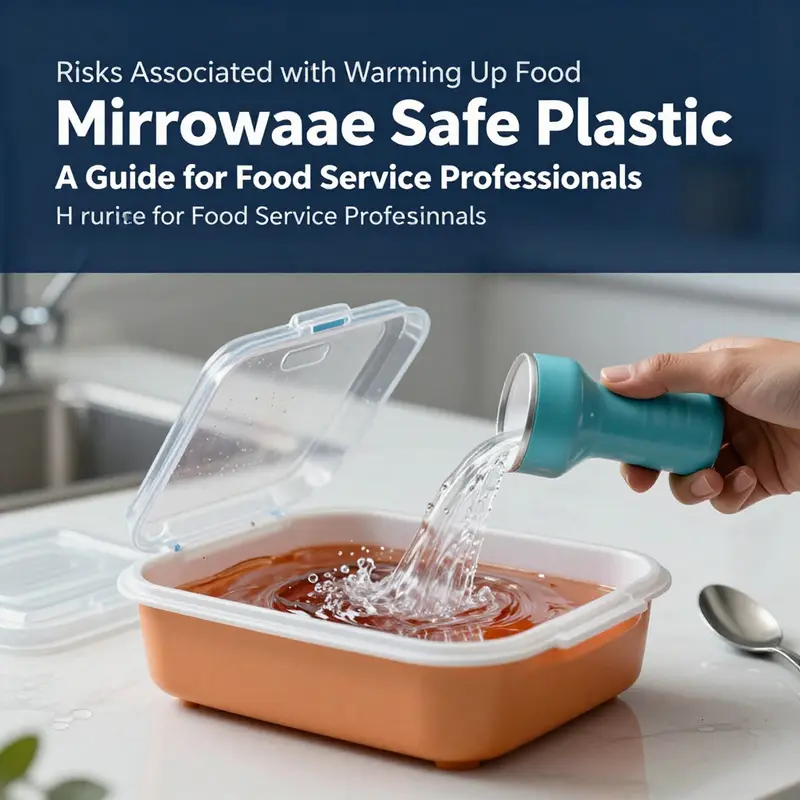
In the kitchen, the microwave is a convenient ally. It heats foods quickly, but plastic containers can introduce hazards if they are not microwave-safe. The safety depends on the polymer, additives, and heating conditions. When in doubt, use containers labeled microwave-safe and keep heating times short. Migration of chemicals from plastics can occur during reheating, especially with long contact times and fatty foods. Endocrine-disrupting chemicals such as bisphenols (BPA and substitutes like BPS, BPF) and phthalates have been studied for potential effects on development and health. PFAS in some wraps can add to the exposure burden. No single study maps risk at every level, but the pattern supports caution.
Several factors influence migration: temperature distribution inside the microwave is not uniform; contact area between food and plastic matters; damaged or worn containers are more likely to release chemicals. Lids, especially if they are made of different polymers, can trap volatile substances. Fatty, sugary, or acidic foods can enhance migration compared with plain water. For these reasons, removing lids and using short heating cycles help reduce exposure. Whenever possible, transfer food to glass or ceramic microwavable dishes for reheating.
Labels are informative but not perfect. The resin code (for example, PP as code #5) indicates higher heat tolerance but does not guarantee safety under all conditions. If you cannot confirm microwave safety, do not use the container for reheating. For practical choices, consider fiber-based packaging or other non-plastic options to minimize migration while preserving convenience. When using any plastic, inspect for wear and replace damaged items. Finally, consult official resources, such as FDA guidance on food contact substances, for up-to-date safety recommendations.
Heat, Labels, and Leaks: Mastering Safe Microwave Warming in Plastic Containers
Heat and heat alone reveals how plastics behave when they meet the microwave. It is a relationship built on materials science, labeling, and everyday habits. For most people, reheating in a plastic container is a routine task, but the safety of that routine hinges on a few straightforward rules. The most fundamental rule is the label. If a container is explicitly marked as microwave safe or carries the recycling code #5 for polypropylene (PP), then you have a credible signal that the plastic was designed to tolerate microwave heating. Polypropylene is known for its relatively high heat resistance, and in typical kitchen use it can withstand temperatures around 120°C (about 248°F). This means it can handle a normal reheating cycle without compromising its integrity. Yet that signal is only a part of the equation. Cleanliness, wear, and proper use all determine whether the reheating process remains safe. When the label is absent, ambiguous, or points to other plastics, a cautious path is the only responsible one. The simple conclusion, grounded in the best available guidance, remains: you can heat food in plastic containers only when the container is clearly labeled as microwave safe or explicitly identified as PP #5 material.
To understand why the label matters, it helps to picture the microwaves themselves as a selective heat source that interacts differently with each polymer. PP’s stability is the main reason it’s singled out as the safer option for heating. But not all plastics share that resilience. PET (#1) is widely used for beverage bottles and, when heated, can leach chemicals into food. PS (#6) includes many disposable cups and takeout containers that can release benzene when exposed to heat. PC (#7) includes polycarbonate plastics that may shed bisphenol A (BPA) into heated foods, especially when the container is worn or damaged. These are not universal rules carved in stone; they are guidelines drawn from consistent observations about how various plastics respond to heat. The bottom line is that the right label is your first, most reliable cue.
Beyond labeling, the way you prepare the container for heating matters as much as the material itself. Lids deserve particular attention. A lid can seem like a convenient seal of containment, but many lids are made from plastics with different heat tolerances than the base container. The safest practice is to remove the lid before microwaving or to ensure the lid is explicitly labeled as microwave-safe. Sealed containers trap steam, raising internal pressure and potentially causing the container to burst or the lid to detach in a dramatic, messy moment. If you do use a microwave-safe lid, keep a vent open to allow steam to escape. If you’re unsure about a lid’s compatibility, the prudent choice is to remove it entirely during heating and replace it only after the food has cooled just enough to handle. The practice protects not only the container but the microwave’s interior, your hands, and the quality of the food.
Heating time matters as much as material. Even a container that meets the label’s requirements can fail if heated too long or at too high a power. The conservative rule of thumb is two to three minutes at medium-high power for most leftovers. Foods high in fat or sugar—think creamy sauces, oils, or syrups—heat more vigorously and can push temperature pockets beyond what the plastic is comfortable handling. Mid-heating stirring or rearranging the contents helps distribute heat and prevents hot spots that might encourage more rapid migration of materials. The goal is warmth, not a boil, and certainly not a heat source intense enough to compromise the container’s integrity. This simple practice—stirring halfway through the cycle—improves safety and, in many cases, the overall eating experience by producing more even warmth.
Another essential habit is inspecting containers for damage before every use. A crack, scratch, warp, or yellowing discolors the material and can compromise its barrier properties. Warped edges may indicate the polymer’s structure has compromised stability, increasing the risk of leaching during heating. A strong chemical smell after heating is another red flag, signaling degradation and potential migration of substances into your food. Frequent microwaving accelerates wear, so it’s wise to replace containers on a set schedule—often every six to twelve months for items in regular rotation. When in doubt, err on the side of caution: a cracked or scratched container is not worth the risk, even if the label claims safety.
If the container is labeled microwave-safe and you’re reheating foods in it, you still face the question of what’s inside. High-fat and high-sugar foods alter heat dynamics, creating hotter surfaces that can challenge a container’s tolerance. In practice, this means prioritizing containers that are truly heat-stable for the meal in question. If a dish is oily or sugary, a glass or ceramic dish can be a safer, more predictable choice. The advantage of these alternatives goes beyond chemical migration. They also avoid warping, discoloration, and any possible transfer of taste or odor into the food, maintaining the integrity of the dish you prepared.
For those who crave practical alternatives that minimize reliance on plastic altogether, non-plastic designs exist that are explicitly built for microwave use. Some microwavable, paper-based options are designed to withstand heat without the same migration concerns associated with certain plastics. These designs often pair a heat-tolerant base with a vented lid that permits steam to escape while keeping contents contained. If you’re curious about such non-plastic options, you can explore microwavable paper-based designs that are labeled for hot foods and prepared for reheating. A representative example in this family highlights a microwavable paper soup cup with lids, a design that prioritizes inert materials and predictable behavior under heat. senang05-food-grade-disposable-kraft-paper-12oz-porridge-bucket-portable-microwavable-paper-soup-cup-with-lids. This option is not a one-size-fits-all solution, but it demonstrates the practical value of considering alternatives that blend convenience with a clearer safety profile.
The overarching message is simple: use plastic in the microwave only when the container is clearly labeled as microwave safe or as PP #5. If a container lacks a reliable label, or if you’re unsure about the material, transfer the food to a virtually inert vessel such as glass or ceramic. This approach reduces the risk of chemical migration and protects both your health and your appliance. It also aligns with a broader consumer habit of choosing materials with well-established performance in heat, rather than relying on the mere appearance of safety. The choice to move toward glass or ceramic when in doubt represents an investment in long-term kitchen safety and peace of mind, especially when reheating for children, pregnant individuals, or anyone sensitive to potential contaminants.
The practical ethical of this guidance is grounded not in sensational fear but in measured caution and clear information. You should not be discouraged from reheating leftovers or enjoying a quick meal; you should simply approach each heating with awareness. Confirm the container’s labeling before you begin, ensure the lid is vented or removed, keep the heating duration modest, and monitor the process for any signs of trouble. If the food already comes in a microwave-friendly container, you are in a favorable position—but do not assume safety simply because the label exists. Consider the type of food, its fat and sugar content, and how your specific microwave performs at different power settings. A short reheating cycle with a quick stir can often deliver both safe results and appetizing warmth.
The path to safer microwaving, then, is not a single magical rule but a collection of careful practices that respect the physics of heat and the chemistry of plastics. It requires a simple habit: always read the label, always vent or remove lids unless clearly specified as microwave-safe, and never exceed a reasonable heating window. Regularly inspect containers and replace those showing signs of wear. When in doubt, choose a non-plastic alternative that is known to be microwave-safe, or transfer to glass or ceramic for reheating. These steps, taken together, form a reliable framework for enjoying reheated meals without compromising safety or flavor.
For readers who want a quick, memorable takeaway, the reliable rule is simple: if it isn’t explicitly labeled for microwave use or if it lacks the PP symbol, do not heat in it. If it is labeled microwave safe or shows the PP mark, proceed with care, keeping the heating time short and the lid removed or vented. And if you ever doubt the safety of a container, pause and transfer the food to a non-reactive, heat-tolerant alternative such as glass or ceramic. The small steps—checking labels, venting lids, avoiding fats and sugars in excess, and listening for odd odors—add up over time to reduce risk and preserve the integrity of both the food and the container.
As you integrate these practices into daily routines, you’ll notice a steady improvement in both safety and confidence. The science behind microwaving plastics supports a thoughtful approach: clear labeling, mindful heating, and prudent substitution when needed. This is not an impractical burden but a practical discipline that helps you enjoy reheated meals with less worry and more assurance. The goal is not to complicate a simple task but to illuminate it with accessible guidance so that safety becomes a natural part of reheating rather than a hesitant afterthought. The journey toward safer microwaving is a path you can walk in a single kitchen session today, and its benefits extend beyond the plate to the health of your household and the longevity of your appliances.
External resource: https://www.consumerreports.org/microwave-ovens/microwave-safety-what-you-can-and-cannot-put-in-the-microwave-a255924/
Beyond Plastic: Choosing Safer, Smarter Containers for Microwave Reheating
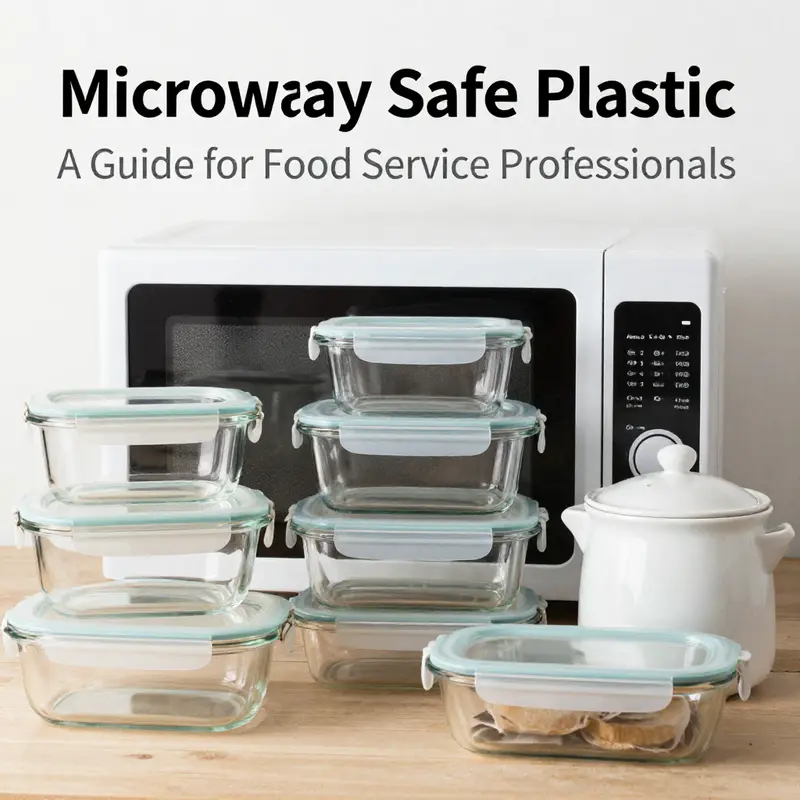
Choosing the right vessel for reheating leftovers is more than a matter of convenience. The container you choose can influence moisture, texture, safety, and even the chemical experience of what you eat. When the microwave hums to life, the goal is simple: warmth without risk. The broader topic can i warm up food in a plastic container in the microwave sits at the intersection of everyday practicality and health minded caution. This chapter moves beyond the habit of grabbing the first plastic at hand and invites a calmer, more informed approach to warming food. It also keeps the conversation anchored in the reality that not all plastics are equally safe, and that labeling can be a useful guide but not a guarantee of zero risk.
The starting point remains clear: plastic containers labeled as microwave safe or those bearing the recycling symbol with the number 5, which identifies polypropylene or PP, are generally the safer among common plastics for microwave use. PP has higher heat resistance and chemical stability, making it the most reliable of the frequently available options for reheating. Notice that this guidance hinges on explicit labeling. If you see the phrase microwave safe or a clear PP designation, you have a green light for reheating, within the limits of those labels. Yet this is only the beginning of the story. Even when a container carries a microwave safe label, the broader science of migration cautions us to be mindful of what happens when heat and fat or sugar interact with plastics. The 2020 study in the Journal of Exposure Science & Environmental Epidemiology reminds us that even containers marketed as microwave safe can allow detectable levels of chemicals to migrate into food under certain conditions. That finding does not condemn all plastics, but it does underscore the need for cautious use and mindful selection, especially for meals that sit in the microwave for longer periods or carry high fat content.
With that frame in mind, many readers will naturally wonder about alternatives. Glass presents a compelling case for reheating. It is an inert material that does not react with foods and does not leach chemicals under ordinary microwave conditions. Glass can withstand the temperatures reached in typical reheating cycles and tends to distribute heat evenly, which helps prevent hot spots that can scorch edges while leaving centers cool. The practical reality is that glassware designed for microwave use is widely available in sizes that fit everyday meals, from single portions to family-sized plates. A well-chosen glass container can maintain the integrity of leftovers, preserve flavor, and reduce the risk of chemical exposure compared with plastic, particularly for foods with high fat or sugar content that can accelerate heat transfer and potential migration. It is important, of course, to inspect glass for cracks or chips before microwaving. Small flaws can create stress points when heated and may compromise safety. A lid made for glass containers should be vented or left off if it is of a material that could trap steam against the lid, potentially causing moisture buildup or heat stress.
Ceramic containers offer another strong option. Like glass, ceramic resists chemical leaching and remains relatively stable under heat. The warmth can be distributed more evenly in stoneware or porcelain pieces, which helps maintain texture in dishes like sauces, casseroles, and rice bowls. When selecting ceramic, verify that the piece is explicitly labeled microwave safe and avoid any container with metallic trims or glazes that can spark in the microwave. Ceramics with nonmetal glazes are usually fine, but metallic accents should guide you toward alternatives. In practice, ceramics can deliver the reliability of glass with a different aesthetic and sometimes a tactile feel that many people prefer for everyday meals.
Stainless steel occupies a different space in the microwave dilemma. It is lauded for durability and environmental friendliness when used in the right contexts, but most standard home microwaves do not interact well with metal. Stainless steel containers are rarely suitable for regular microwaving because metal can reflect microwaves and cause arcing or damage to the appliance. There are exceptions: some specialized containers are designed for microwave use and employ carefully engineered features. Those cases are not the norm, and for typical kitchen reheating, stainless steel remains a poor fit. If you encounter a stainless steel option marketed for microwave use, treat it as a special case and verify the manufacturer guidance and your microwave model compatibility before proceeding.
An increasingly visible middle ground is plant based, or bagasse and paper based, options. Bagasse derived dinnerware is often marketed as compostable and can be microwaved under certain conditions. These items frequently arise from sustainable packaging goals, offering a convenience that aligns with fewer chemical migration concerns than many conventional plastics. The caveat is that heat tolerance varies among brands and coatings, so it is essential to check the specific product labeling. In practice, bagasse and similar paper based containers can provide a practical reheating solution for soups, stews, and meals that are not intended to sit uncomfortably long in the microwave. The advantage is twofold: a potential reduction in plastic use and a material that generally minimizes chemical migration concerns compared with many early generation plastics. For those curious about concrete examples, consider looking at a microwavable bagasse option such as the natural sugarcane bagasse pulp salad bowl. This category illustrates how materials that originate from renewable sources can be engineered for practical reheating while maintaining structural integrity and serviceable heat tolerance. For a practical example of microwavable bagasse dinnerware, see this page: natural-sugarcane-bagasse-pulp-salad-bowl-microwave-bagasse-take-away-food-dinnerware-round-bowl-disposable.
Even with better options, the fit of a container for reheating is not only about material. The design matters as well. A container that warps or cracks under heat is not just a nuisance; it can lead to leaks or breakage during a spin cycle. This is especially true for containers that are cracked, warped, or scratched. When damage is visible, migration risk can increase as heat and mechanical stress alter the surface’s interaction with the food. In such cases, the best practice is to retire the container from microwave use and transfer the meal to a safer vessel. Vacuum sealed or tightly sealed containers might appear convenient but can trap steam and create uneven heating; open vented designs often perform better for even warming without pressing the food into the lid area where steam concentrates.
The consideration of material and design dovetails with practical cooking realities. The fat and sugar content of foods heat more quickly than plain water, which can push temperatures toward higher end ranges within a given reheating window. Even when using a microwave safe container that is appropriate for the type of food, extended heating can cause the container to reach temperatures where chemical migration becomes more likely. In other words, avoiding prolonged heating cycles remains prudent. The rule of thumb is simple: heat in short intervals, stir or flip the food to promote even heating, and use a container that can tolerate these cycles without degrading.
Environmentally minded cooks may also weigh the broader implications of container choices. Glass and ceramic, while often heavier and sometimes more fragile than plastic, tend to offer longer service life and recycling options, which can reduce waste over time. Bagasse and other plant based options present an appealing middle ground that aligns with efforts to reduce single use plastic. The choice becomes a balance between convenience, safety, and environmental impact. In the end, the safest and most reliable option for heating foods in the microwave remains glass, thanks to its chemical inertness and stable thermal performance. Ceramic comes in a close second, offering similar safety with a different aesthetic and heat handling profile. For many households, a carefully chosen glass dish paired with a venting lid will cover the majority of reheating needs, while alternative materials can address specific contexts such as eco friendly packaging or on the go meals.
Safety tips thread through every choice. Always check the bottom of the container for microwave safe labeling or the PP #5 symbol. Remove lids before microwaving to prevent melting or leaching from lids made from less heat resistant materials. Do not heat high fat or high sugar foods for extended periods, as these conditions can push temperatures beyond what some containers tolerate. Inspect containers for cracks or deep scratches since these flaws can become points of failure under heat. When in doubt, transfer the food to a glass or ceramic dish designed for microwave use. These measures may seem conservative, but they reflect a growing body of evidence about chemical migration and heat behavior in microwaved foods.
This conversation about alternatives does not abandon practicality. The allure of plastic is undeniable for its light weight and flexibility. Yet the safer, more predictable performance of glass and ceramic makes them compelling choices for daily reheating. The occasional bagasse option offers a compromise for environmentally conscious cooks who still want a container that feels reliable in the microwave. By prioritizing containers that are explicitly microwave safe and selecting the right material for the meal at hand, you can heat food efficiently while minimizing risk and preserving flavor, texture, and integrity. The shift toward safer containers may require a slight adjustment in habit, but the payoff is meaningful in both health and peace of mind. For more context on the broader safety landscape, see an external resource discussing glass versus plastic in microwave reheating. External resource on glass vs plastic
Final thoughts
Understanding when and how to safely warm food in plastic containers is paramount for maintaining health and compliance in the food service industry. This guide emphasizes safety measures and the importance of using appropriate materials to enhance customer safety and satisfaction. By adhering to these best practices, you can ensure a responsible approach to food warming that benefits both your clients and your business.