
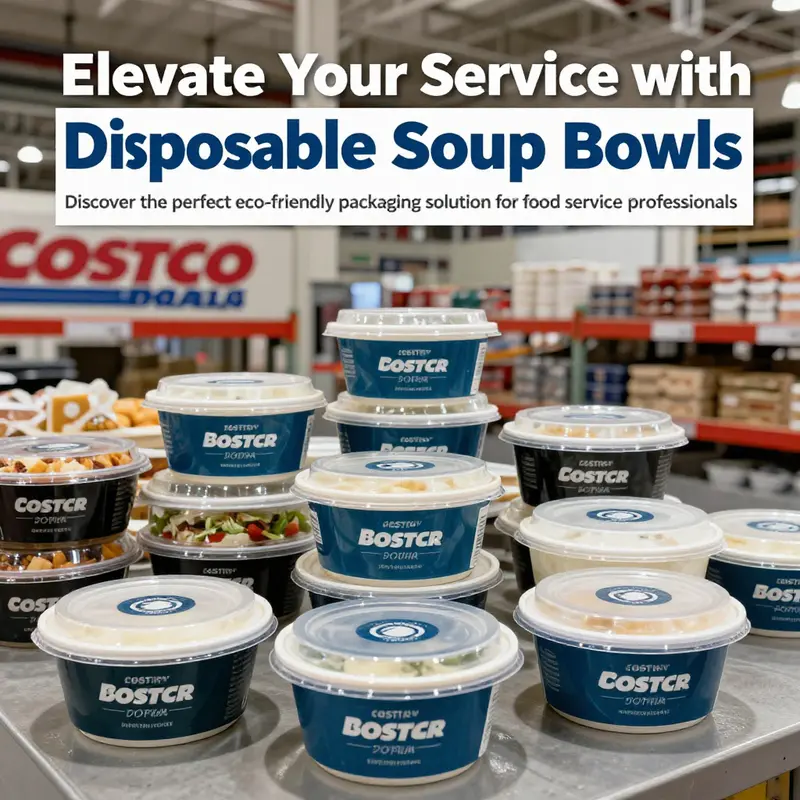
In the competitive world of food services, the right packaging can make all the difference. For bubble tea shops, restaurants, food trucks, catering services, event planners, and corporate procurement teams, choosing the right disposable soup bowls with lids is essential not only for functionality but also for aligning with eco-friendly practices. Costco’s 32oz biodegradable paper bowls with lids offer a robust solution, combining convenience, sustainability, and affordability. As we explore the product overview, features, environmental impact, pricing considerations, and practical usage scenarios for these bowls, you will see how they can enhance your service while reflecting your commitment to quality and care for the environment.
Sizing Up Convenience: How Costco’s Disposable Soup Bowls with Lids Shape Everyday Meals and Seasonal Events
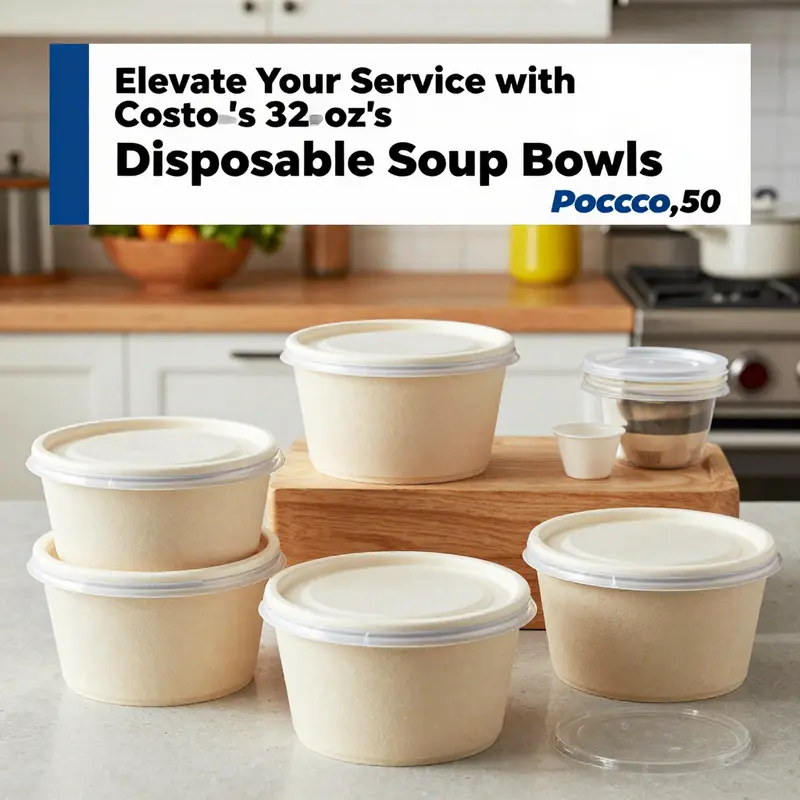
When planning meals for a busy week at home, a small decision can ripple into bigger savings of time, space, and even waste. The choice of a disposable soup bowl with a lid may seem minor, but it sits at the intersection of functionality, sustainability, and budget. In the context of a retailer known for its bulk approach to kitchenware, these bowls are less about single-use ceremony and more about reliable workflow. A typical large-capacity option—think 32 ounces in a take-away-ready form—offers the balance between portion comfort and handling practicality. It is enough soup, chowder, or broth to satisfy a hungry crowd, yet not so large as to become unwieldy for quick service or chaotic kitchen lines. A design that pairs a sturdy, biodegradable paper body with a secure lid can transform the experience of serving, transporting, and even reheating meals, whether you are feeding a family, supporting a small office, or catering a small community event. The essence of this choice lies in knowing that a single pack, often offered in multipack configurations such as fifty or more bowls per package, can streamline inventory planning and reduce the daily friction of refilling supplies. The bulk-pack approach aligns with the modular needs of people who prepare meals in advance, service lines at social spaces, or event organizers who must balance quantity with reliability. In practice, the sight of a stack of these bowls signals more than convenience; it signals a predictable, repeatable portioning system that keeps cooks focused on flavor and texture instead of chasing containers. The capacity matters, but it is the synergy of capacity with material and lid integrity that truly determines usefulness in real-world settings. A 32-ounce unit captures the range from a hearty vegetable soup to a savory broth with noodles, delivering a generous serving without requiring a second bowl as a standard fallback. In kitchens that juggle multiple recipes or a slate of daily specials, the 32-ounce size functions as a dependable baseline, a kind of workhorse among the disposable options. These bowls are often marketed as heavy-duty and eco-friendly, a combination that matters when the goal is to minimize waste without sacrificing performance. For cooks who aspire to keep things simple, the requirement is straightforward: a vessel that holds heat, resists leaking, and remains easy to stack and store between shifts. The lid becomes more than a closing mechanism; it becomes an essential component of the service model. A well-fitting lid reduces splatter during transport and helps maintain temperature, an outcome that improves the eating experience for the end user and reduces the likelihood of customer dissatisfaction due to cold meals or messy packaging. In a bulking environment where speed matters, such as a school cafeteria, a corporate snack bar, or a weekend market stall, the compatibility of container and lid is as important as the price per unit. The capability to seal the bowl means food vendors can prepare in larger batches without compromising service speed. It also supports portion control, a factor that is often crucial for event planning, fundraising drives, or catered gatherings where guests expect consistency across dozens or hundreds of servings. The larger capacity, when paired with a dependable seal, creates a practical advantage that is not merely about portion size but about the entire flow from kitchen to hands to mouth. It is easy to assume that the most important feature is the material—biodegradable and paper-based, by common description—yet it is the fuller package that determines value over time. Eco-friendly claims gain traction when they align with actual end-of-life outcomes. A biodegradable paper bowl with a lid represents a step toward reducing landfill impact, but it is essential to acknowledge that compostability depends on local facilities and consumer behavior. Some programs can process these materials in industrial composting streams; others may place them in standard recycling or even trash streams if preparation and contamination come into play. The practical conclusion is clear: choosing eco-friendly packaging requires more than a label; it requires alignment with the realities of where and how the product will be disposed of after use. In this sense, the decision becomes a narrated story of a kitchen’s lifecycle—how quickly the bowls are used, how efficiently they are stored, how reliably they perform when hot liquids are involved, and how well they fit into the broader goals of waste reduction and responsible procurement. The bowl’s form is a facilitator of a larger intention: to simplify cleanup, to support consistent serving, and to leave a lighter footprint on the planet without compromising the guest experience. While the advantages are tangible, they live alongside a few practical caveats. For instance, the strength of the paper body must be enough to withstand the steam and heat of freshly poured soup, yet it should not compromise the integrity of the lid’s seal. This is why many operators gravitate toward heavier-duty constructions that emphasize both rigidity and moisture resistance. A reliable lid, often designed to click into place or snap over a rim with a secure fit, is essential when meals are being handed off in busy hallways or parked at a curbside pickup window. The overall user experience matters as much as the packaging itself. When a customer receives a meal in a well-sealed vessel, there is a sense of care, a signal that the vendor respects the guest’s time and the meal’s temperature. The small rituals—tapping the lid to ensure it’s fully closed, grabbing a napkin to mop the rim, sliding a fork under the lid’s edge for easy access—become a cohesive part of the dining moment. In the broader spectrum of disposal and sustainability, a meaningful conversation emerges about how such products fit into a personal or organizational waste strategy. The biodegradable claim holds significance, but it invites a second layer of questioning: Will your local recycling or composting program accept these materials, and under what conditions? Some communities accept compostable paper products in municipal compost programs, while others do not. In some places, compostable cups and bowls can be accepted only if they are clean and free of food residue that exceeds typical kitchen use. The grease and oil that naturally accompany soups can complicate disposal streams, particularly if the bowls enter recycling where contamination leads to downgraded materials. For this reason, the decision to purchase these bowls frequently goes beyond the sticker of eco-friendly and into the diffuse, real-world terrain of municipal guidelines, local facilities, and consumer habits. It is a reminder that sustainability is not a static property but a relationship—between manufacturing choices, consumer behavior, and the structures that govern waste management. Inventory dynamics further shape how these bowls are used in practice. In a store that rotates stock frequently, availability can shift from week to week, meaning what is visible today might be reintroduced or replaced with a different configuration tomorrow. Shoppers evaluating value often factor in not just the per-unit price but also the total cost of ownership: how many times the bowls must be replenished, how much storage space they require, and how often lids need to be replaced due to wear or deformation. Those planning events or meal-service operations benefit from understanding typical consumption patterns: how many servings per person, how long meals stay hot, and how often guests request seconds. The answers influence whether a 32-ounce option is the best fit, or if a smaller size might be more efficient to churn through a menu while reducing waste. A careful procurement approach considers both the tangible and intangible returns. The tangible returns are straightforward: lower labor time, predictable portion control, secure transport, and a reliable seal that minimizes leaks. The intangible returns involve guest satisfaction and brand perception. A guest who receives a well-presented, heat-retentive meal in a thoughtfully designed container is more likely to associate the experience with care and quality. That perception matters, especially for caterers, event organizers, or workplace kitchens that rely on repeat business or repeat invitations. In this sense, the value proposition of a large-capacity, biodegradable paper bowl with a lid is not merely about the raw material or the unit price; it is about a consistent service model. It is about the quiet promise that when a meal is served, it will be delivered with dignity, efficiency, and awareness of environmental consequences. If the goal is to streamline supply chains, the consistent packaging format helps standardize procurement across multiple locations, reducing the complexity of stocking different shapes and sizes for different soups. The bulk-pack approach, combined with a reliable, hot-safety-conscious lid, can also simplify the logistics of catering, fundraising events, or school cafeterias where a uniform system matters more than a boutique assortment of packaging haulers. For anyone contemplating a purchase decision, the practical test remains straightforward: does the combination of 32-ounce capacity, sturdy biodegradable paper, and a secure lid meet the daily demands of your operation while aligning with your waste and sustainability ambitions? The interplay between the product’s material properties, its performance under heat, and the surrounding disposal landscape will tell the full story. If the evaluation yields a positive alignment, the bowls can become a quiet backbone of routine service, an underappreciated enabler of efficiency. In that sense, the decision to stock these bowls is a reflection not just of cost but of an operating philosophy—one that values reliability, speed, and responsibility in equal measure. For readers exploring the broader landscape of disposable food containers at large retailers, it is worth noting that the available options span a spectrum of sizes, materials, and lid designs. The 32-ounce option often occupies a practical middle ground, serving robust portions without forcing the user into overly bulky vessels. Budget-minded buyers will appreciate the clean math of bulk purchases, particularly when compared with smaller, less consistent portions or with alternatives that fail to seal as effectively. Yet the choice always circles back to the simple criterion: will this container help deliver meals in a way that is both convenient and considerate of the environment? The answer is not one-size-fits-all, but for many kitchens and events, the balance of capacity, durability, and eco-sensitivity can be a decisive advantage. For anyone curious about a concrete example of take-away soup cups with lids in the market, a practical reference is a product page detailing a 26-ounce kraft-paper soup cup with a paper lid. It serves as a concrete illustration of how the market has responded to demand for heavier-duty, eco-friendly packaging that remains user-friendly in everyday service. You can explore that specific option here: 26oz kraft paper soup cup with lid. This link provides a sense of the design principles that underpin the broader category—an ongoing conversation about the trade-offs between cost, performance, and environmental responsibility that shoppers and businesses navigate in real time. The conversation around disposable bowls with lids is not about a single product line but about a continuum of choices that fit different strategies and contexts. As you consider whether a bulk-pack of large, eco-friendly bowls makes sense for your needs, it is useful to map out where you stand on heat tolerance, leak prevention, storage, and disposal. It is also important to keep in mind that inventories fluctuate and may vary from one location to another, particularly in a retailer that refreshes its stock regularly. If you are planning a one-off event or a long-term program, a quick check of the retailer’s online catalog or a call to a store associate can confirm current availability and help you compare substitutes in real time. The broader take-away is that these containers, when chosen thoughtfully, can support smooth service, positive guest experiences, and a modest but meaningful step toward responsible waste practices. For readers who want to deepen their research or verify the current lineup, a dependable external resource is the Costco official site, which serves as a barometer for what the retailer is offering at any given time and how those offerings align with seasonal promotions, bulk discounts, and stock rotation policies: https://www.costco.com/
Bulk, Lidded, and Green: The Rise of Eco-Friendly Disposable Soup Bowls in Warehouse-Store Food Service
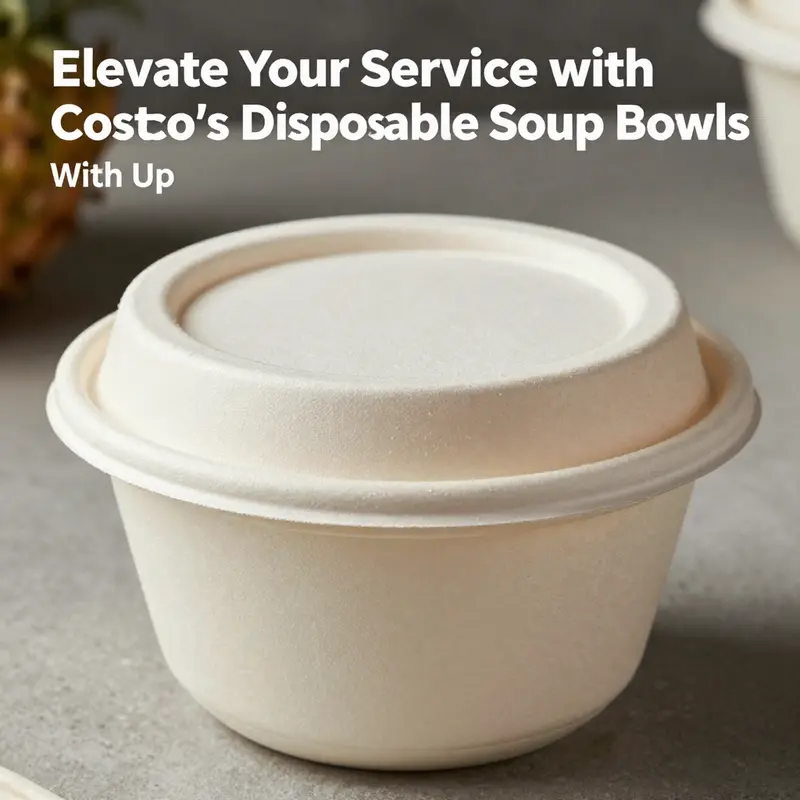
When a kitchen needs to move from storage rooms to event spaces, from office break rooms to bustling catering setups, the right disposable serveware can transform workflow as much as the menu itself. The kind of dishware that arrives in bulk, ships efficiently, and can stand up to hot liquids without leaking often becomes a quiet backbone of modern food service. In the landscape of bulk, disposable soup bowls with lids, a class of products widely available through large warehouse retailers, one finds a blend of durability, convenience, and environmental consideration that makes them particularly appealing for both everyday use and special occasions. These items are designed to handle the demands of busy environments where meals travel from kitchen to table, from desk to delivery, all while minimizing cleanup time and labor costs. They are also a practical entry point for households and organizations that want to minimize the friction of washing up without sacrificing safety or quality.
At the core of these bowls is a heavy-duty construction that matters as soon as the first hot broth meets the rim. The vessels are built to retain shape and strength when filled with hot or viscous contents, resisting collapse or sagging that could otherwise lead to leaks or spills. This is not mere resilience for the sake of sturdiness; it is a literal safeguard against unsightly messes during transport, which can derail events or undermine the perceived care in a catered service. In addition, the lids are designed to be securely fitted, providing a predictable seal that prevents unintended openings during transit and helps preserve the warmth and moisture of the contents. The combination of a reliable vessel with a dependable cap makes these bowls particularly suited for on-the-go meals, whether it’s staff members grabbing a quick lunch between shifts or guests picking up drinks and soups at a stand.
Material choice lies at the heart of the eco-friendly promise these products often embody. The most visible advantage is that many of these bowls are made from biodegradable or compostable paper, a shift away from traditional plastics that aligns with broader sustainability goals. This choice matters not only for the end of life of the product but also for the day-to-day decisions a business makes about sourcing and waste management. When a kitchen commits to compostable or biodegradable options, it signals a broader intention to reduce long-term environmental impact, especially in settings where disposable serveware is chosen precisely to streamline cleanup. Yet material choices alone do not tell the full story; certifications and safety assurances are equally important.
Food safety certification plays a crucial role in consumer confidence and restaurant-grade expectations. Bowls intended for hot or liquid foods are held to standards that ensure they are safe for contact with food, non-toxic, and stable under typical serving conditions. For operators, this translates into less worry about souring flavors or releasing unpleasant chemical odors when meals are heated or kept warm. It also supports regulatory compliance in settings ranging from corporate offices to event venues, where hygiene protocols and audit trails matter for guests and staff alike. The safety lens becomes even more meaningful when paired with the reality of bulk usage. In practice, these items are seen as safer, more practical options for large gatherings, meal-prep pipelines, and temporary food services where reusable ware may be impractical or unavailable.
Another practical advantage is the bulk packaging itself. A 50-pack format is not an abstract convenience; it is a concrete means of reducing the frequency of re-orders, lowering per-unit handling costs, and stabilizing supply for large gatherings. Bulk packaging also facilitates efficient storage and quick, frictionless replenishment during peak service times. In kitchens and catering operations that juggle multiple food stations, the ability to pull a stack of sturdy bowls from a shelf without interrupting service can shave minutes off every shift. The packaging design is often complemented by an efficient stacking system, which minimizes space requirements in crowded prep areas and makes inventory counts simpler during stocktakes. The combined effect is a smoother operation, where the focus remains on preparing and delivering meals rather than managing warehousing or last-minute container shortages.
Design-wise, the lids contribute to a level of control that is highly valued in fast-paced settings. A clear and well-fitted lid enables controlled pouring for those who want to top off a dish at service or during transport, reducing the risk of splashes and spills. This is especially helpful in events or office catering where portions may be measured or adjusted on the fly. The lid’s visibility also helps servers identify contents quickly, avoiding cross-contamination or mislabeling in line setups. Beyond the lid, the overall geometry of the bowl—its lip, wall thickness, and rim profile—works together to support secure handling with gloved hands or tongs, important in environments where safety and hygiene are paramount.
For many buyers, the appeal lies not in a single feature but in the balance of performance, sustainability, and practicality. Eco-conscious choices resonate with a growing segment of consumers who want convenience without sacrificing environmental values. Biodegradable or compostable paper bowls reduce reliance on fossil-fuel-derived plastics and offer a clearer end-of-life path, particularly in places with access to industrial composting facilities or robust recycling and composting programs. Yet it is important to recognize that “eco-friendliness” is not a single metric; it is a spectrum. The degree to which a product truly minimizes environmental impact depends on the entire lifecycle, including manufacturing processes, transportation emissions, and commensurate disposal options available to the user. In this light, warehouse-store options become part of a broader conversation about how to balance convenience with responsible waste management.
The practical realities of availability further shape how these bowls are adopted. Inventory rotation is common at large retailers, meaning what is on the shelf today may change tomorrow. For planners and operators, this means that checking online listings or visiting stores can yield different packaging configurations, colorways, or lid styles from season to season. The 50-count packing is a convenient default for many buyers, but larger operations may warehouse multiple 50-pack bundles to maintain continuity through busy periods. The bulk approach also dovetails with meal-prep routines, corporate cafeterias, school programs, and fundraising events, where a predictable supply of sturdy, lidded bowls helps keep costs predictable and service consistent. The ability to select a bulk solution that delivers both reliability and sustainability often becomes a decisive factor when a choice must be made between short-term savings and long-term operational stability.
In practice, the choice to adopt these bowls often hinges on a few core considerations. First is reliability: will the bowl hold up under heat and remain intact during transport? The answer is typically yes, given the heavy-duty construction designed to withstand liquid contents and the snug fit of the lid. Second is convenience: does the lid seal well enough to prevent leaks while still allowing easy opening for immediate consumption? The design generally aims to strike a balance between secure sealing and user-friendly access, a combination particularly valued in take-away scenarios and at self-service stations. Third is sustainability: does the material align with the waste-management options available to the user? Biodegradable or compostable options are most effective when there is a clear pathway for disposal that aligns with local facilities and programs. Finally, cost and value must be weighed against the scope of use. Bulk packaging and bulk pricing can translate into meaningful savings for large buyers, especially when the bowls are used repeatedly in the course of a single project or season.
To illustrate how these factors come together in real-world applications, consider the following practical reference. A commonly sought example in supplier catalogs demonstrates a 26-ounce kraft paper soup cup with a paper lid, an option often highlighted in bulk-foodservice catalogs as a compatible pairing for soups, stews, and other hot meals. For those exploring variations and practical demonstrations of such serveware, you can explore a specific listing here: disposable 26oz kraft paper soup cup with paper lid. This example underscores the broader design philosophy at work: a sturdy paper base, a protective lid, and a practical size that suits both single servings and portions that are easy to manage in bulk scenarios. While the exact product name and configuration may vary across retailers, the core principles remain consistent: a reliable vessel, a secure lid, and a commitment to more sustainable materials without sacrificing the ease of use that makes disposable serveware appealing in busy service contexts.
In sum, the rise of bulk, lidded, eco-friendly disposable soup bowls reflects a broader shift in how food service operations balance efficiency with responsibility. They offer a pragmatic solution for handling volume, reducing cleanup times, and supporting sustainable practices in a way that aligns with the rhythms of modern work and social life. For anyone planning a large gathering, managing a corporate dining program, or simply outfitting a community kitchen, these bowls present a dependable option that integrates well with the pace of contemporary catering and food service. They are not a single solution but a practical set of choices—a way to keep meals moving smoothly while keeping environmental considerations on the radar. External resources can provide a broader sense of availability and standards, illustrating how this category sits within the wider ecosystem of bulk take-away ware. External resource: https://www.costco.com
Sustainable Under Pressure: Tracing the Environmental Footprint of Eco-Friendly Soup Bowls with Lids in a Major Retail Landscape
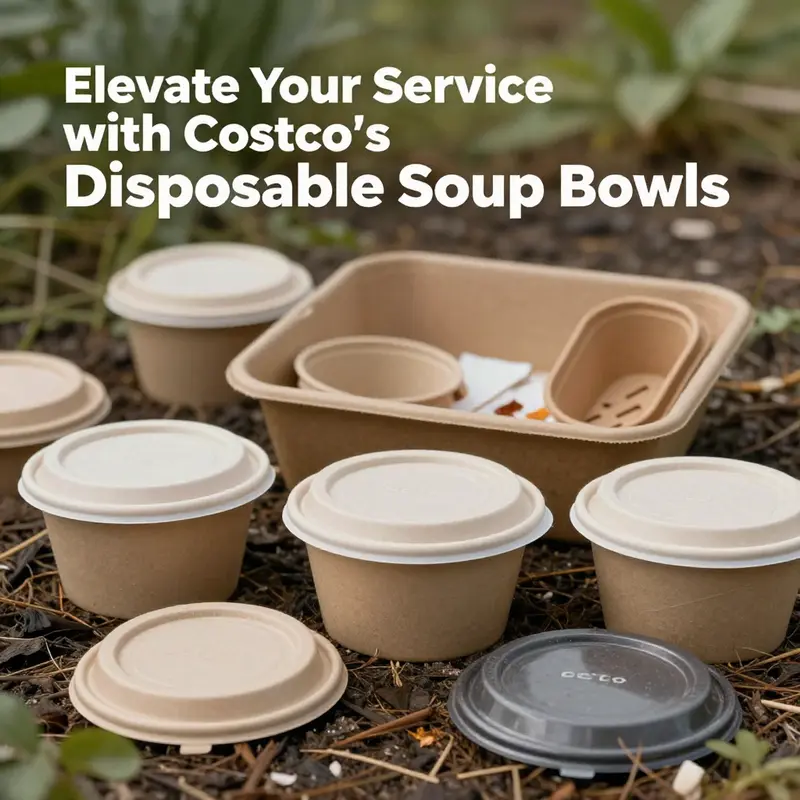
The rise of convenient, single-use tableware has pressed retailers and manufacturers into a tricky balancing act: meet demand for quick, predictable servings while reducing the long tail of waste. In this landscape, large warehouse-style retailers have become pivotal brokers of change. They are not only gatekeepers of price and stock but also, increasingly, curators of material choices. When a customer purchases a hearty bowl of soup for lunch and tucks a lid over the steaming contents, the decision to reach for a biodegradable, paper-based option may feel like a small act. Yet, it sits at the intersection of consumer habit, corporate procurement, and municipal waste systems that determine whether that act yields real environmental benefits. The specific case of the 32-ounce paper bowls with lids—designed for heavy portions and crafted from renewable plant fibers—offers a revealing lens into how sustainability travels from the printer, through distribution, and into the curb where it meets a world of variable disposal realities. It is a story not just about material composition, but about the pathways that enable or hinder true circularity in everyday foodservice choices.\n\nBiodegradable paper bowls with lids stand out in the crowded arena of takeout options because they lean on renewable feedstocks rather than fossil-based polymers. Paper and fiber-based materials can be sourced from forests and agricultural residues that are replanted or replenished, providing a narrative of renewability that plastic alone cannot claim. The builders of these products frequently emphasize that the bowls are biodegradable and compostable under industrial conditions, often labeling them as eco-friendly, healthy, nontoxic, and harmless. Those descriptors carry weight with buyers who are attuned to chemical safety and the cumulative impact of packaging on the environment. If a contributor to a meal’s packaging can credibly claim a lower hazard profile for their product, the perception of sustainability grows, even as the underlying science remains more nuanced than a single label might suggest. The core idea—that the container can break down into organic matter rather than persist as microplastic—appeals to customers who want to avoid the worst outcomes of disposable ware while still enjoying the convenience of a sturdy, heat-tolerant vessel.\n\nYet the story extends beyond the label. The real-world impact hinges on the container’s end-of-life fate. Industrial composting facilities, which provide the conditions necessary for many biodegradable and compostable papers to turn into clean organic matter, are not universally available. In regions where industrial composting networks are sparse or overburdened, a substantial portion of these bowls may still end up in regular landfills or, worse, in the environment as litter. In landfills, the absence of sufficient oxygen and moisture can slow or even halt the intended biodegradation process. Even when disposal follows the recommended route, the rate and completeness of decomposition depend on facility quality, temperature management, and the presence of other compostable materials that can influence the microbial processes at work. This complexity underscores a critical reality: the environmental advantage of biodegradable paper bowls is contingent on the existence of robust composting infrastructure and on consumer behavior that channels these containers toward certified facilities rather than the trash or the storm drain.\n\nThe lifecycle of a disposable, heavy-duty paper bowl with a lid also invites scrutiny of upstream costs and downstream consequences. The production phase—where tree fiber is transformed, pulped, and pressed into sturdy single-use ware—consumes energy and water. It also requires chemical processes that, even when conducted under modern environmental controls, leave a footprint in terms of emissions and resource use. Transporting the finished products from factory to warehouse to store concentrates emissions further still, and the distance between source materials and end users can magnify the overall carbon footprint associated with a single 32-ounce vessel and its lid. These realities do not negate the benefits of choosing a biodegradable option, but they do remind us that sustainability is not a binary label. It is a spectrum that considers material composition, energy intensity, waste management capabilities, and the social and logistical context in which a consumer encounter occurs.\n\nIn practice, what this means for a consumer who relies on a widely stocked warehousing retailer is a blend of pragmatism and aspiration. On days when a quick, hot lunch is essential, the choice of a recyclable or compostable container may reduce the environmental burden compared with petroleum-based plastics, especially if the alternative is a non-degradable clamshell or a low-grade foam. The heavy-duty design of these bowls with lids also matters. A robust construction reduces the likelihood of leaks, spills, or structural failure during transport and handling. Fewer accidents in the bag or on the table translate into less mess and, potentially, less discard waste that has to be managed or cleaned up by staff and customers. The 50-pack packaging, common in large retailers, reinforces the practical appeal: it enables bulk purchasing, predictable pricing, and standardized use across multiple foodservice operations. In busy work environments or campus settings, the consistency of size and fit is not merely a convenience but a means of reducing waste from ill-fitting lids or mismatched containers.\n\nWhat follows is a layered set of considerations for anyone seeking to understand how an eco-friendly option in a major retail landscape behaves in the real world. First, there is the question of availability and rotation. Inventory in large warehouses is dynamic, evolving with supplier priorities and seasonal demand. A product that appears as a staple in one month can be off shelves the next, only to reappear later. This fluctuation complicates long-term planning for institutions that attempt to standardize packaging choices across menus, kitchens, and events. It also makes consumer education essential. When a familiar option reappears, customers benefit from clear messaging about disposal pathways, whether industrial composting is accessible nearby, and how to dispose of the container responsibly. The messaging can be a powerful driver of behavior—one that nudges people toward composting facilities rather than landfills when those facilities exist within reach.\n\nEmbedded in this conversation is the evolving role of retailers as influencers of sustainability narratives. By choosing to stock biodegradable, compostable, and heavy-duty paper ware, they signal a preference for materials with a reduced environmental profile, even as the broader system still dictates outcomes beyond the checkout line. Procurement teams weigh a host of criteria: material safety, performance, customer acceptance, and a life-cycle assessment that attempts to quantify energy use, water consumption, and end-of-life outcomes. The balance among these factors often defies simple arithmetic. A container might come from renewable feedstock and still require high-energy processing or long-distance shipment. Conversely, a product with a more modest production footprint could offer superior disposal outcomes because of widespread access to industrial composting. The complex interplay among these variables explains why blanket claims of “green” can be misleading if they fail to acknowledge regional waste infrastructure.\n\nIn light of this complexity, a thoughtful consumer or operator contemplates best practices that maximize the environmental benefits of these eco-friendly containers. One practical approach is to consider the end-of-life pathway explicitly: choose products that align with certified industrial composting facilities when available, and actively seek local information about whether a given community has the capacity to process compostable packaging. Education about disposal options can be integrated into menus, labeling at the point of sale, and staff training in kitchens and cafeterias. Another practical step is to optimize the use-case: select a container size that matches the portion and the expected duration of consumption. A container that is too large for a given serving can encourage leftover waste or improper disposal, whereas one that is suitably sized can improve efficiency, reduce waste, and decrease unnecessary packaging consumption. In settings where repeated servings are common, staff can coordinate with waste haulers or composting providers to ensure that the containers are collected properly and managed in a way that supports the system’s integrity.\n\nWhat remains central in this discourse is the clear understanding that the environmental benefits of these biodegradable bowls depend on a network of choices and infrastructures that extend far beyond the shelf. They hinge on consumer behavior, the regional availability of composting facilities, corporate procurement decisions, and the degree to which disposal systems reward correct sorting and processing. The decision to purchase these bowls within a major retail network embodies a commitment to a specific path toward waste reduction, but it also depends on the community’s ability to complete that path. If the local waste system cannot process the material, the container may end up contributing to the same environmental impact that more traditional single-use options have long exhibited. This tension—between intention and outcome—drives ongoing innovation, collaboration, and policy development among retailers, city planners, and waste-management professionals who aim to create a more resilient and sustainable packaging ecosystem.\n\nFor readers who want to explore a closely related option in the same family of take-away solutions, a kraft-paper, lid-bearing container in a similar size range may offer a practical alternative worth examining. To learn more about a comparable kraft-paper soup cup with lid, visit this resource: 26oz Kraft Paper Soup Cup with Paper Lid. This link provides a concrete example of how a different product line within the same material family approaches strength, heat tolerance, and packaging logistics, while keeping the focus on a compostable and renewable material base. It is not a replacement for the specific item discussed above but serves as a comparative touchstone for understanding how design choices influence performance and end-of-life outcomes in real-world settings.\n\nIn the end, the environmental impact of disposable soup bowls with lids offered by large retailers rests on a spectrum of conditions and behaviors rather than a single metric. The biodegradable, paper-based option can reduce reliance on petroleum-based plastics and contribute to safer chemical profiles, but its ultimate ecological success depends on proper disposal, robust composting infrastructure, and informed choices by consumers and institutions alike. The narrative is not about absolutes; it is about navigating a system in which the right container can be a meaningful, if modest, step toward waste reduction. As households, campuses, and workplaces continue to experiment with packaging choices, the lessons from this chapter invite ongoing scrutiny of how to align purchase decisions with waste-management realities, and how to harmonize the convenience of modern dining with a future that on balance favors regenerative, closed-loop approaches over disposable convenience alone. External reference: https://www.pinterest.com/pin/123456789012345678/
Beyond the Shelf: The Hidden Economics of Disposable Soup Bowls with Lids at Costco
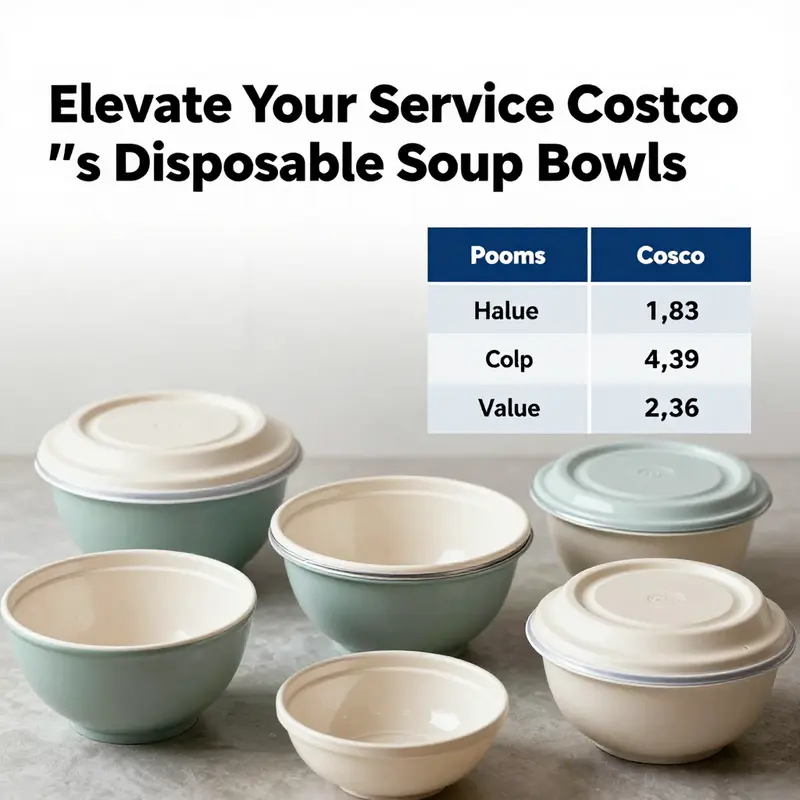
Every time a shopper reaches for a 32-ounce biodegradable soup bowl with lid, they are not simply choosing a container. They are tapping into a web of cost drivers, supply chain realities, and strategic decisions that ripple from the mill to the dining table. In a retail environment where price, availability, and environmental narrative all matter, the economics of these everyday items become a telling case study in modern procurement. The chapter you are about to read treats the bowl not as a single product, but as a bundle of inputs, constraints, and strategic bets that shape what customers see on the shelf—and what they pay for it in the end. At the core lies a simple premise: bulk packaging, eco-friendly materials, and streamlined logistics can lower unit costs over time, but only if the market, supply chain, and consumer demand stay in balance. When those levers pull in different directions, the price you notice at the register becomes less a fixed price and more a moving point on a dynamic curve fueled by raw materials, labor, sustainability commitments, and retailer strategy.
The economics begin with the raw materials that constitute these cups. Biodegradable paper is not just a green story; it is a cost driver. The fibers, coatings, and processing steps required to create a sturdy, leak-resistant bowl with a lid involve energy, water, and labor. In a world where pulp prices, energy costs, and shipping rates fluctuate, the per-unit cost of a single bowl can drift. The eco-friendly tag, while appealing to many consumers and businesses, adds a premium in many cases because the materials may be sourced through more specialized supply chains or require additional processing to ensure compostability or heat resistance. In the hands of a retailer, those cost dynamics interact with the economics of scale. A 50-pack, for example, is designed to reduce packaging overhead and per-unit handling costs compared to a smaller lot. The vendor can amortize fixed costs—molds, quality testing, and packaging design—across a larger number of units, pushing the average cost downward as volume increases. Yet bulk pricing is not a universal magic wand: if demand softens or if a supplier encounters a surge in inputs, the discount you expect may shrink or disappear. The result is a price signal that reflects not only a single transaction but a complex forecast of supply reliability and investment recovery.
Costco’s distinctive retail model adds another layer to this equation. The warehouse club’s pricing approach tends to favor volume and efficiency, and it often relies on membership-driven traffic to sustain competitive unit costs. The model rewards customers who purchase in bulk, a practice that aligns with what these 32-ounce bowls with lids are designed for: catering events, large households, dormitory kitchens, and community organizations that need dependable, easy-use packaging. When the retailer negotiates with suppliers, the intent is to lock in favorable terms over longer periods, smoothing the volatility that can accompany commodity cycles. Inventory velocity also matters. In a market where products rotate quickly, a retailer can push assortments that align with seasonality and evolving consumer preferences. If a batch of bowls sits too long in a distribution center, the cost burden grows—through carrying costs, potential obsolescence, and the risk of outdated packaging standards. Conversely, steady turnover supports lower average costs, enabling promotional pricing or the ability to maintain a stable price point even when raw-materials prices rise. This balancing act is invisible to most shoppers, but it governs the price you see on the shelf.
Another central factor is the packaging and logistics system that makes disposable bowls an integral part of foodservice and home-use workflows. The heavy-duty construction of a 32-ounce bowl with a lid is not accidental. It reflects a design compromise between strength, heat retention, and stackability. When a retailer buys in bulk, the company gains leverage over the production process, including the number of units per carton and the efficiency of palletization. The packaging itself has a cost story tied to it: the lid adds protection against leaks during transport, reducing the risk of returns or complaints that can erode margin. But lids, like the bowls, add to the total material cost and weight that warehouses must handle. The result is a nuanced cost structure where transportation efficiency can offset some of the material costs if the product travels well and requires fewer handling steps downstream.
Costco’s rotation of inventory compounds these dynamics further. The retailer’s practice of stock-refresh cycles means that prices can reflect not only current costs but expectations about future costs. If a batch of biodegradable materials becomes scarcer or if a new environmental standard requires an added step in production, the price for that season’s bowls may rise in anticipation of tighter supply. Conversely, when suppliers anticipate lower demand or when manufacturing efficiencies improve, unit prices can soften, allowing the retailer to offer temporary promotions or to maintain price discipline for a broader period. For a consumer or a small business owner who is planning meals or events, recognizing these cycles matters. It helps explain why there are times when a seemingly identical item may appear at slightly different prices across the calendar, even though the underlying materials and construction remain constant.
The broader economic context also shapes decisions about disposable tableware that doubles as an environmental statement. Eco-friendly materials often carry a premium that is justified by the benefits of compostability, reduced landfill burden, and a lighter lifecycle footprint. But the price premium is not just a green badge; it factors in processing differences, regulatory expectations, and consumer willingness to pay for sustainability. In practice, organizations weigh the cost of a more sustainable option against alternatives that may be cheaper upfront but incur costs later in disposal, regulatory compliance, or reputational risk. A restaurant, school, or event planner might quantify these trade-offs by calculating the total cost of ownership over a month or a quarter. That calculation includes not only the sticker price per bowl but also the frequency of restocking, the probability of spills or leaks that could lead to waste, and the labor required for cleanup. When you consider the whole cycle, the environmental premium can, in some contexts, become a strategic investment rather than a mere expense.
The purchase decision also hinges on how well a retailer communicates value. In the shelf-talk and online listings, the stated capacity, durability, and lid-fit reliability become a shorthand for anticipated performance. A 32-ounce capacity is a useful benchmark because it speaks to a need for substantial servings—especially in catering or family-style meals. But capacity alone does not determine value. The real question concerns how quickly the product can be deployed in a kitchen line, how reliably it resists leaks under hot liquids, and how efficiently it stacks with other containers for storage. These are operational metrics that translate into labor hours, reduced cleanup time, and a smoother service flow. In that sense, the price of the bowl with lid can be understood as a proxy for the downstream efficiency gains it enables. When a kitchen runs smoothly, the per-meal labor cost declines, and this subtle shift can offset a higher per-unit price. That is the kind of implicit value retailers attempt to communicate through product design, packaging, and the credibility of their supplier network.
For buyers evaluating relative costs, a practical approach is to translate the unit price into a practical metric that matters in daily use: the cost per serving, factoring in the expected number of portions served before replacement or disposal, plus the audit of waste and leakage. Add in the cost of storage, which includes the space needed to keep these bulk items neat and accessible, and you begin to see why some buyers favor larger packs. The savings come not just from the lower per-unit price but from the reduced frequency of reorders, which in turn lowers administrative overhead and ordering friction. On the other hand, a smaller business with limited storage might prioritize smaller, more flexible packaging or rival products that align with unpredictable demand. The economic calculus is never one-size-fits-all; it is a function of volume, space constraints, and the specific operational realities of the buyer.
From a consumer education standpoint, it is also important to acknowledge the role of alternative materials and competing packaging formats. Plastic or foam-based options may come at a different price point and offer different performance characteristics in terms of insulation and leak resistance. Biodegradable and compostable options tend to be more costly up front, but their disposal costs may be offset in jurisdictions that provide composting pathways or in venues with strict waste-diversion goals. The choice between eco-friendly and conventional packaging becomes a question of total value rather than a purely upfront price. In this light, the economics of these bowls become a microcosm of broader supply-chain debates: the tension between affordability, environmental responsibility, and logistical practicality. The result is a buying landscape where informed decisions rely on understanding not just the price tag, but the broader financial and operational implications of that tag.
One practical point for readers who want to ground this discussion in real-world shopping behavior is the recognition that pricing is dynamic and not static. If you were to look up the latest price on a major retailer’s site, you might see a 32-ounce biodegradable option with lids priced for bulk purchase, while a different store or a different week could show a slightly different figure, even for a comparable product. This is not an error; it reflects negotiating power, stock levels, and the specific terms offered to different buyers. When budgeting for a catering event or a school lunch program, it makes sense to build flexibility into the procurement plan. Having a couple of alternative suppliers or packaging options can protect against unexpected price movements and help ensure continuity of service. The more you align your plan with the realities of supply chains and the economics that govern bulk packaging, the more resilient your operation becomes in the face of price volatility.
To illustrate how a buyer might approach this in practice, consider the decision framework that would guide a purchase from a major warehouse club. Start with the known quantities: the 32-ounce capacity and the lid for leak resistance. Then examine the price per unit across different pack sizes, and consider the storage implications of the chosen option. If the bulk pack is the most cost-effective path, calculate how many servings you expect to use in a given period and compare that to the shelf life and disposal costs. If the math pencils out favorably, you gain not just a lower cost per serving but a more predictable supply cadence, which reduces stockouts and last-minute price spikes. If the numbers don’t align, you may opt for a smaller pack, or even a different material class, to maintain financial balance. In short, the economics of disposable soup bowls with lids are not just about a price tag; they are about the entire ecosystem that makes cafeteria lines run smoothly and kitchens more efficient.
For readers who want to explore a concrete example while keeping this discussion anchored in the broader topic, consider examining related market segments online. See this example of a disposable kraft paper soup cup with lid in the marketplace for a practical sense of price structure, packaging, and perceived value. disposable 26oz kraft paper soup cup with paper lid. This example illustrates how a similar product category positions its features and pricing, offering a useful proxy to compare against the potential economics of the Costco packaging ecosystem. External research and retailer data may confirm that even within a single category, the cost per unit can vary by packaging size, coating, and durability requirements, underscoring why buyers should negotiate not only on price but on terms that maximize overall value.
Looking ahead, the pricing story for disposable bowls with lids is likely to be shaped by ongoing innovations in materials science, waste-management policies, and consumer demand for sustainability. Advances in compostable coatings, more efficient production methods, and improved recycling or composting infrastructure could push down the effective cost of eco-friendly options over time. Retailers that invest in transparent labeling about disposal pathways and life-cycle impacts can also influence consumer willingness to pay a premium for sustainability. For a deeper dive into how these external factors influence real-world pricing and inventory decisions, see the external resource linked at the end of this chapter.
In sum, understanding the pricing and economic considerations of disposable soup bowls with lids requires looking beyond the sticker price. It requires tracing the journey from raw materials to waste management, acknowledging how bulk packaging, supplier negotiations, and inventory dynamics interact with customer demand and operational efficiency. The result is a nuanced landscape where price reflects more than cost alone—it reflects the value of reliability, speed, and environmental responsibility in modern kitchens and catering operations. The next chapter will build on this thread by examining how kitchen teams translate these packaged-value choices into practical procurement decisions that balance budget, sustainability goals, and service levels, ensuring that the right container consistently supports the right dining moment.
External resource: https://www.costco.com/
Carrying Convenience and Conscious Choice: Lidded, Heavy-Duty Paper Bowls for Bulk Service
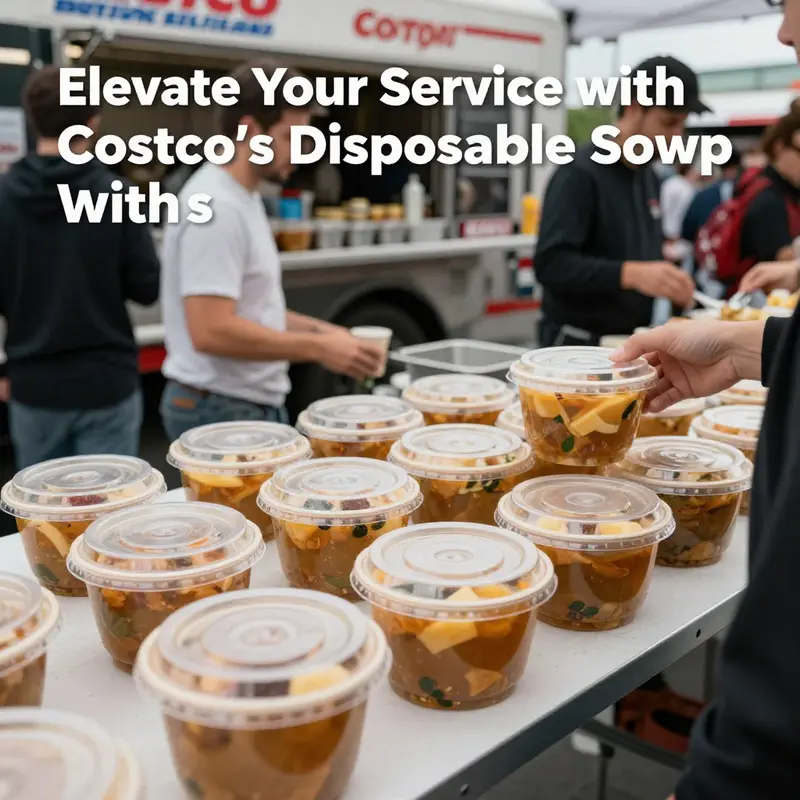
In today’s fast-paced food service landscape, a well-designed disposable bowl can move meals from kitchen to customer with reliability. This chapter highlights 32 ounce, heavy-duty, lid-compatible bowls made from biodegradable paper materials. They are more than a convenience; they fuse durability, heat retention, and environmental responsibility for bulk service, catering, and daily meal programs. The central idea is a balance between strength and sustainability, a container that protects contents and supports efficient service while aligning with waste-minimization goals.
Capacity matters: 32 ounces is ample for soups, stews, and hearty portions, yet remains manageable for front-line staff and customers. A secure lid reduces spills during transit and helps meals stay warm. For operations that serve large volumes, buying in bulk can lower unit costs and simplify inventory, delivery, and warehousing.
Material and disposal considerations: biodegradable paper and bagasse fibers can offer a lower-strings alternative to petroleum-based plastics. When local facilities support composting, these bowls can be diverted to end-of-life streams that align with sustainability programs. Buyers should confirm local disposal capabilities to gauge end-of-life options and ensure actual environmental impact matches goals.
Lid design and transport: a well-fitting lid is essential for minimizing leaks and for convenient sipping or tipping behavior. The container should be able to withstand heat and grease without leaking or losing shape, even during busy service periods.
Practical usage and economics: in bulk service, fewer container types simplify ordering, stocking, and labeling. Lidded bowls also streamline prep and cleanup, helping teams maintain focus on food quality and guest experience. For institutions and events, these bowls offer a credible path to scale without sacrificing service aesthetics or reliability.
End-of-life and context: while compostability is attractive, real-world outcomes depend on local infrastructure. When composting is not available, these bowls still behave as standard disposables, but buyers can weigh environmental goals against practical constraints. This alignment of practicality and responsibility is what makes lidded, heavy-duty bowls a compelling choice for modern service.
If you want to compare options, you can view the 26 ounce Kraft paper soup cup with a paper lid as a related reference. See: https://cupbowlpack.com/product/senang05-disposable-26oz-kraft-paper-soup-cup-bowl-with-paper-lid-takeaway-lunch-packing-takeout-food-packaging-bucket/ . For broader context on service settings and visual implementation, an external reference can be found here: https://www.pinterest.com/pin/146509819785387958/.
Final thoughts
Costco’s 32oz biodegradable paper soup bowls with lids provide a versatile and sustainable option for businesses in the food service industry. Their sturdy design ensures that your delicious soups and meals maintain their quality while demonstrating your commitment to the environment. By incorporating these bowls into your service offerings, you can enhance your operational efficiency while aligning with modern consumers’ values. In a market where packaging matters, these disposable bowls not only fulfill your practical needs but also elevate your brand’s reputation. Embrace the opportunity to use high-quality, eco-friendly products that resonate with your customers and contribute positively to our planet.